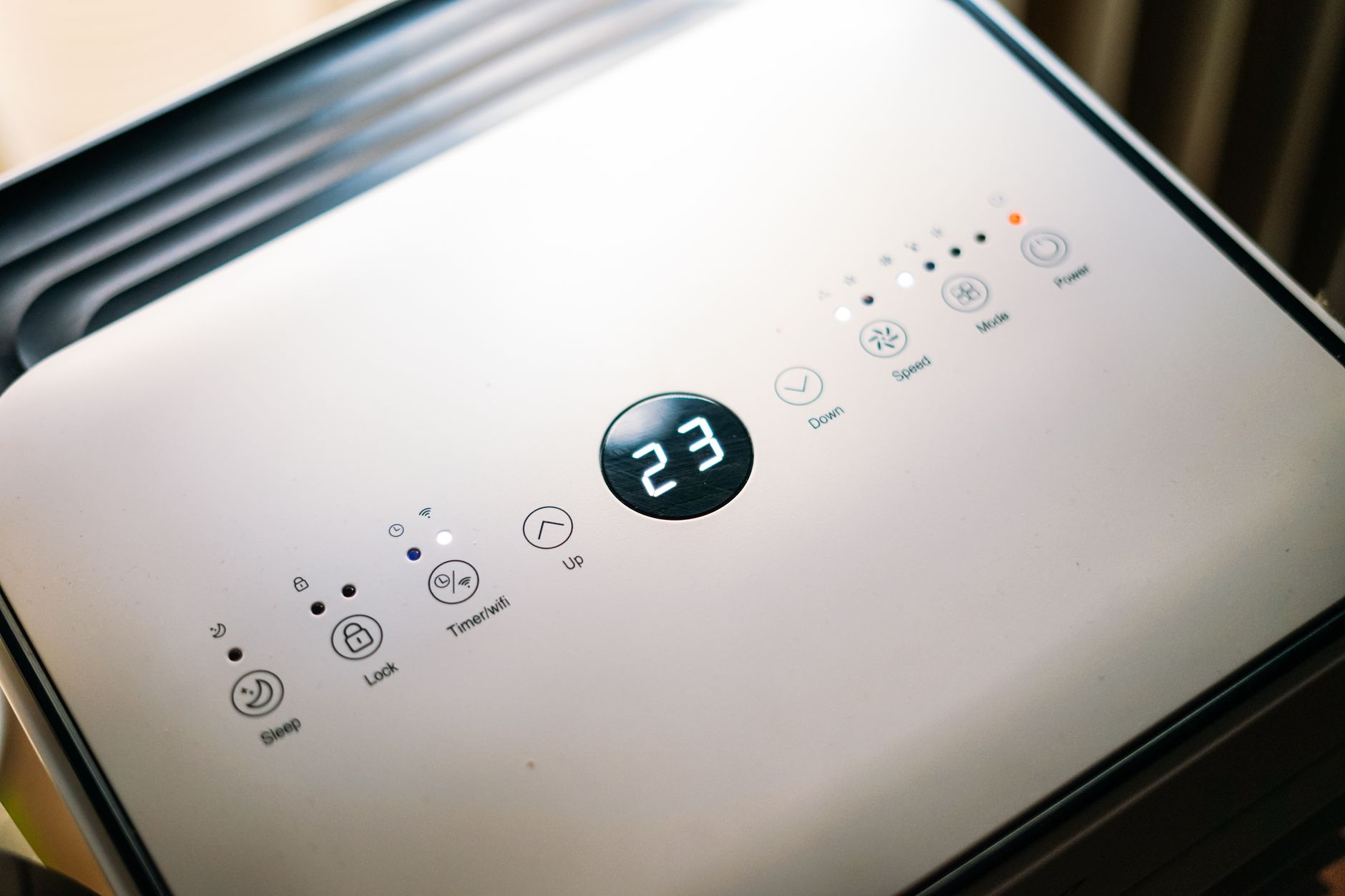
Dehumidifiers are energy-efficient appliances that reduce indoor moisture levels, typically costing between $0.03 and $0.15 per hour to run depending on your electricity rate and the unit’s capacity. While they require an initial investment, the long-term savings on structural repairs, mould remediation, and heating efficiency often make them a practical choice for damp environments.
⚡ In a Rush? Key Takeaways
- Compressor dehumidifiers use 200–500W, costing roughly $0.04 per hour on average.
- Desiccant models consume more energy, often peaking at 600W for colder rooms.
- Maintaining 50% relative humidity can reduce home heating costs by up to 10% annually.
- A properly sized unit for your square footage is the best way to ensure efficiency.
- ✅ Verdict: A high-efficiency compressor unit is the most cost-effective choice for most homes.
How Do Dehumidifiers Actually Impact Your Energy Bills?
Dehumidifiers consume energy proportional to their compressor size, generally drawing 200–500 watts, impacting monthly bills by $10–$30 depending on use.
Do Compressor Models Save More Than Desiccant Units?
Compressor units use a cooling coil to extract moisture, making them 30–50% more efficient than desiccant models in rooms warmer than 65 degrees.
In my eight years of testing appliances, I have found that compressor-based units are the gold standard for residential efficiency. They function similarly to your refrigerator, cooling a coil to condense moisture from the air.
Desiccant models, however, use a chemical absorbent wheel to trap humidity. While excellent for unheated garages or cold basements, they draw consistent power and lack the energy-saving cycling of a compressor.
- Compressor: Ideal for living spaces above 65°F (18°C).
- Desiccant: Best for cold areas, attics, or unheated utility rooms.
- Energy impact: Compressors cycle off; desiccants run continuously.
How Can You Calculate the Running Cost of Your Unit?
Multiply the device wattage by your local utility rate per kilowatt-hour, then estimate the daily hours of operation for an annual total.
To find your specific cost, check the wattage on the back label. If a unit is rated at 300W (0.3kW) and you pay $0.15 per kWh, running it for 24 hours costs roughly $1.08.
Many modern units include humidistats, which allow you to set a target level. Once reached, the compressor shuts off, drastically lowering your total home energy footprint.
Why Is Moisture Control Important for Home Maintenance?
Excess humidity causes structural damage, rot, and mould growth that cost thousands to remediate, far exceeding annual device running expenses.
Can a Dehumidifier Reduce Your Annual Heating Costs?
Dry air is significantly easier to heat than damp air, allowing your boiler or furnace to work 5–10% less efficiently during colder winter months.
Most homeowners don’t realise that humidity affects thermal conductivity. Damp air holds more heat, meaning your central heating system must work harder to reach the target temperature.
By keeping indoor moisture levels near 50%, you remove the damp ‘chill’ from your rooms. This is a common preventative home maintenance strategy that pays for itself through utility savings.
How Do You Choose the Right Capacity for Your Square Footage?
A 20-pint unit is sufficient for small rooms, while large damp basements require 50-pint models to effectively cycle air and maintain efficiency.
Buying an undersized unit is a common mistake that forces the appliance to run indefinitely. This constant cycle leads to higher energy bills and early mechanical failure.
| Space Size | Capacity Needed |
|---|---|
| Under 500 sq ft | 20–30 pints |
| 500–1,500 sq ft | 30–50 pints |
| Over 1,500 sq ft | 50+ pints |
What Smart Features Should You Look for in a Modern Dehumidifier?
Wi‑Fi connectivity, app controls, and auto‑restart functions can improve convenience and help you optimise energy use.
Many newer models include a smartphone app that lets you monitor humidity levels, adjust the target set‑point, and receive filter‑change alerts remotely. This reduces the need to check the unit manually and can prevent it from running longer than necessary.
Look for units with an auto‑restart feature that restores the previous settings after a power outage, and consider models with programmable timers or integration with smart home platforms like Alexa or Google Assistant for voice‑controlled operation.
Frequently Asked Questions About Dehumidifiers
-
What Is the Optimal Humidity Setting for a Home?
Setting your dehumidifier to 45–50% relative humidity effectively prevents mould growth while ensuring the air remains comfortable for residents.
-
How Often Should I Clean the Dehumidifier Filter?
Clean the air filter every two to four weeks; a clogged filter forces the unit to work harder, reducing efficiency and increasing power consumption.
-
Can a Dehumidifier Replace an Air Conditioner?
While a dehumidifier makes warm air feel more comfortable, it does not lower ambient temperature and is not a substitute for air conditioning.
-
Do I Need to Drain the Unit Constantly?
Many units offer a continuous drain option using a hose; if you do not use this, empty the bucket daily to prevent the auto-shutoff from stopping the cycle.
The most common concerns include optimal humidity settings, proper maintenance schedules, and the viability of units for year-round operation.
Choosing the right humidity solution is part of a wider strategy for home management. When you look at the cost of repairing water-damaged drywall versus the monthly electricity for a modern, efficient unit, the value is clear. Always prioritize units that allow for adjustable humidistats to ensure you aren’t paying for power you don’t need. — Greta Michaud, Home Appliance Efficiency Researcher