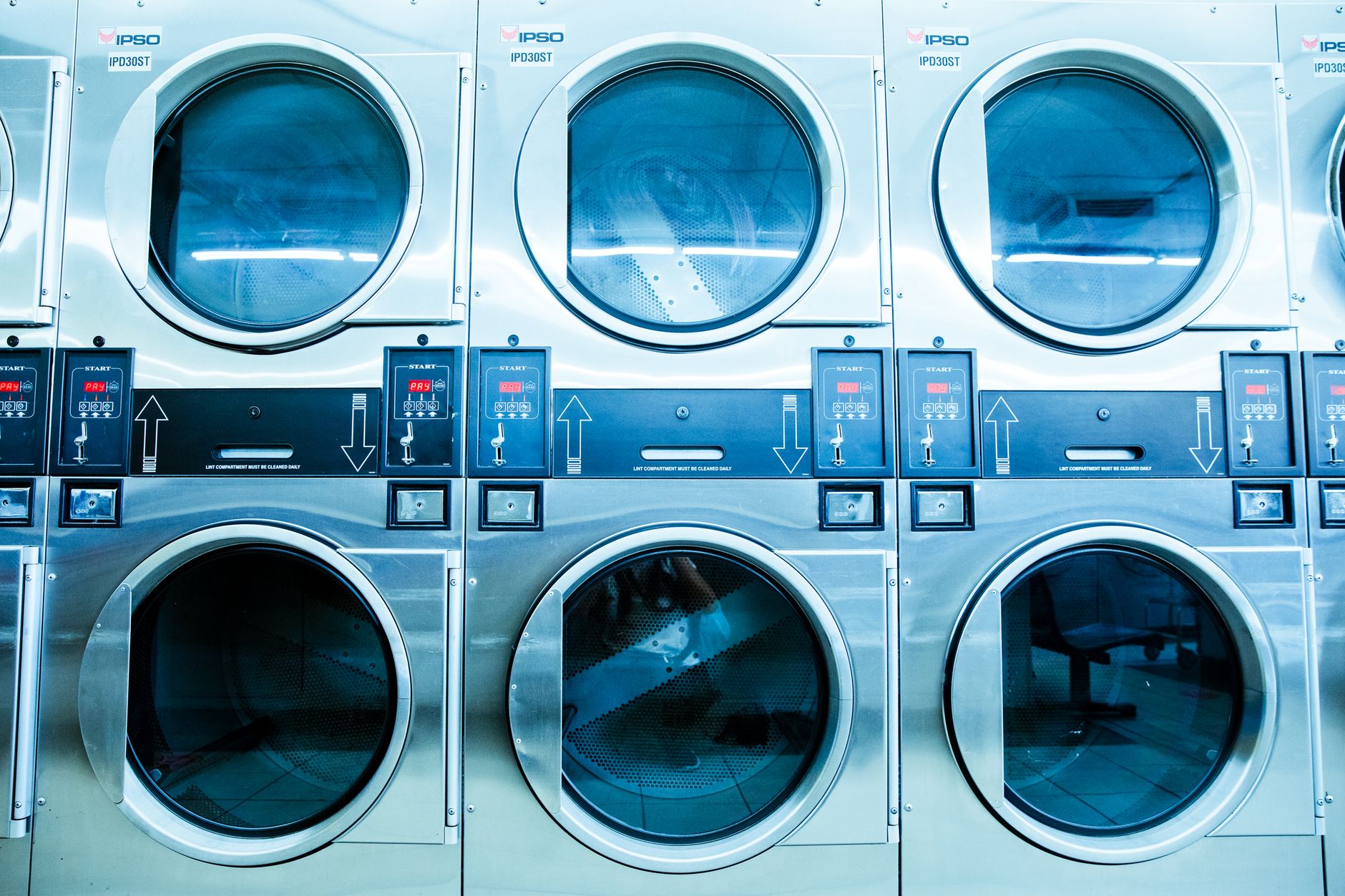
A high-efficiency washing machine typically consumes between 0.4 and 0.9 kWh per full wash cycle, depending on the temperature setting and load size selected. Selecting a model that balances capacity with your actual household laundry volume is the most significant factor in long-term energy and water conservation.
⚡ In a Rush? Key Takeaways
- Modern high-efficiency washers use 60% less water than older top-load models.
- Cold water cycles reduce per-wash energy consumption by up to 90%.
- A 1,400 RPM spin speed reduces dryer energy use by roughly 10% per load.
- ✅ Choose a machine with a high spin speed and true half-load sensors.
What Features Define an Energy-Efficient Washing Machine?
Efficient washers feature advanced sensor technology, high-speed spin capabilities, and precise water-level adjustments for various load sizes.
Why Does Spin Speed Impact Your Total Energy Bill?
High spin speeds extract more moisture from fabric, which significantly reduces the energy required by your tumble dryer per cycle.
Many buyers prioritize the washing machine’s energy label, but the final spin speed is arguably more critical for your household budget. A faster spin cycle removes more water, meaning your dryer works for less time.
- 1,200 RPM: Standard extraction for most cotton loads.
- 1,400 RPM: Optimal balance for reducing drying time.
- 1,600 RPM: Maximum extraction, ideal for thick linens.
How Do Load Sensors Reduce Water Consumption?
Automatic load sensing technology adjusts the water volume and cycle duration based on the actual weight of the laundry inside drum.
Modern appliance intelligence means you no longer need to guess at the water level. Sensors ensure you are not heating more water than necessary for the current load.
- Precision weighing prevents water waste on small loads.
- Automatic cycle shortening saves both electricity and time.
- Balanced drum detection protects machine lifespan by preventing spin wobbles.
How Should You Evaluate Your Household Capacity Needs?
Capacity must match your weekly output, as washing half-full drums frequently wastes energy while overloading reduces cleaning performance.
Is a Larger Drum Always More Efficient?
Large drums offer better energy efficiency per kilogram, but only if they are consistently filled to near-capacity for every single wash.
There is a persistent myth that bigger is always better for efficiency. In reality, laundry maintenance proves that efficiency depends on matching the drum size to your specific family rhythm.
| Drum Size | Typical Household |
| 7-8kg | 1-2 people |
| 9-10kg | 3-4 people |
| 11kg+ | Large families |
What Are the Hidden Costs of Overloading a Machine?
Overloading prevents clothes from tumbling freely, which leads to poor cleaning results and puts severe strain on the machine motor.
When the drum is stuffed, clothes don’t get clean, and the machine has to work much harder to rotate. This leads to premature wear and higher electricity usage per cycle.
- Increased risk of heating element failure.
- Poor detergent distribution causing re-washes.
- Excessive noise and vibration during the spin cycle.
How Can You Minimize Daily Laundry Running Costs?
Reducing your running costs relies on cold-water cycles, efficient detergent usage, and avoiding the overuse of heated drying functions.
Why Is Cold Water Washing the Most Effective Strategy?
Heating water is the single largest energy drain in laundry, accounting for up to 90% of a washing machine’s power draw per cycle.
Switching your temperature dial to 20°C or cold provides excellent cleaning with modern detergents. This small change in energy efficiency routines yields immediate savings.
- Eliminates the cost of heating 40+ litres of water.
- Preserves fabric integrity and colour vibrancy.
- Lowers utility bills without requiring new hardware.
When Should You Choose an Eco-Cycle Over Quick Wash?
Eco-cycles use less energy by extending soak times rather than using higher temperatures, making them ideal for standard daily loads.
Quick washes are often energy-intensive because they rely on higher speeds and temperatures to compensate for shorter durations. Always read your machine manual for efficiency tips.
Frequently Asked Questions
-
Do high-efficiency washers require special detergent?
Yes, high-efficiency machines need low-sudsing detergent to prevent sensor errors and maintain optimal machine cleaning performance.
-
How long should a modern washing machine last?
With regular maintenance and responsible loading, a quality washing machine should perform well for ten to twelve years of use.
-
Are top-load or front-load washers more efficient?
Front-load washers are generally more water and energy-efficient as they use gravity to tumble clothes through less water volume.
-
Should I use bleach in an energy-efficient machine?
Use bleach only when necessary and ensure your specific machine model permits its use to avoid damaging drum seals and gaskets.
-
What Role Does Maintenance Play in Efficiency?
Regular cleaning of the washing machine’s gasket and drain pump filter, as well as checking and replacing worn-out seals, contributes significantly to maintaining efficiency and prolonging the appliance’s lifespan.
Proper maintenance includes leaving the door open after a cycle to dry the interior, running a cleaning cycle every few months, and ensuring the machine is levelled correctly to avoid vibration. These practices help in preventing mold growth, reducing noise, and lowering energy consumption by maintaining optimal washing performance.
- Check and replace worn-out door seals.
- Clean the drain pump filter regularly.
- Run a cleaning cycle with a washing machine cleaner or vinegar.
Choosing the right machine is the first step toward a more efficient home. By prioritizing spin speed and capacity, you secure a decade of savings.
— Greta Michaud, Home Appliance Efficiency Researcher