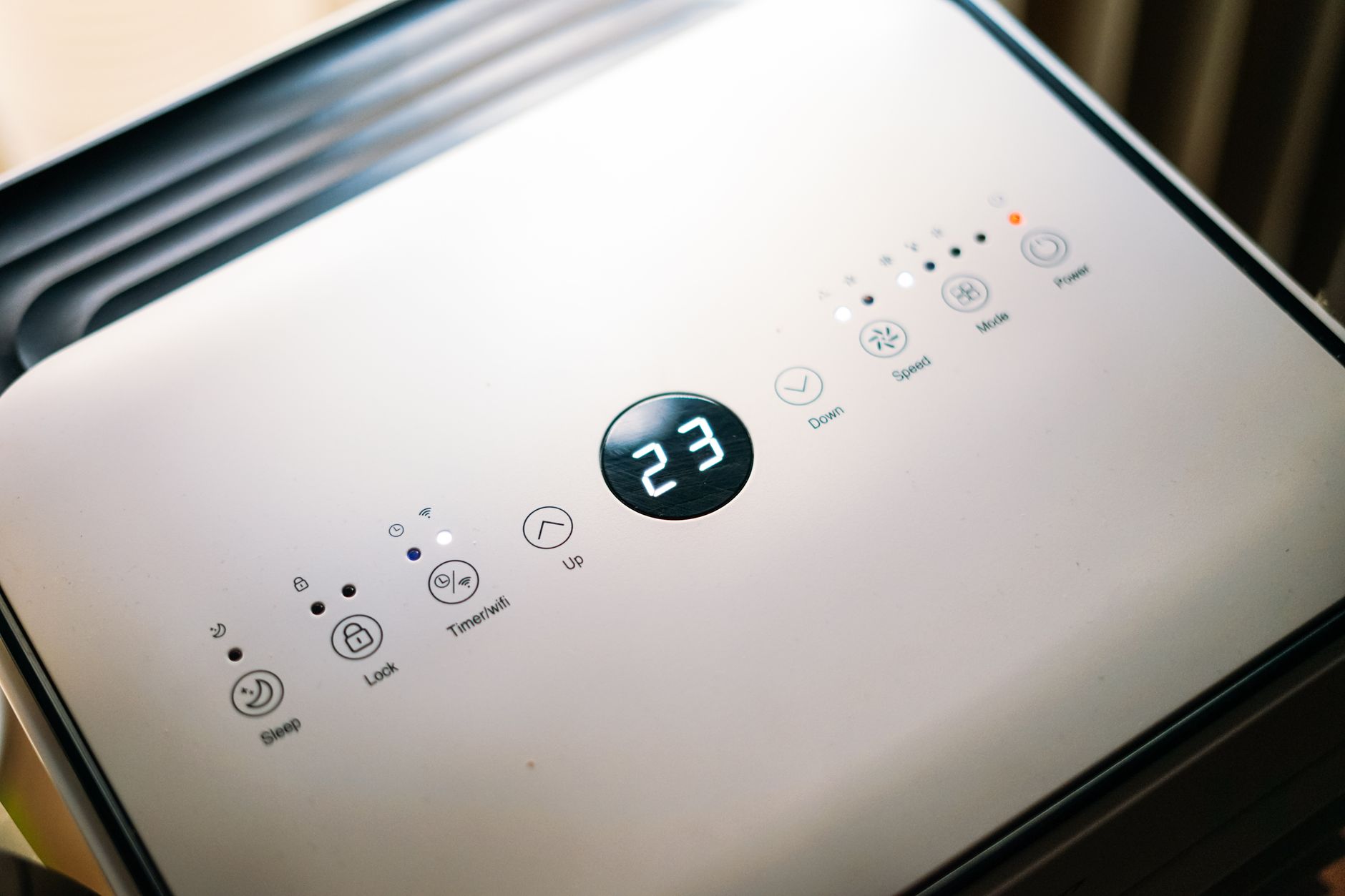
A dehumidifier is a targeted appliance designed to extract excess moisture from the air to maintain an indoor humidity level between 40% and 50%. In most modern homes, it serves as a primary defense against condensation, mould growth, and the structural damage associated with sustained high humidity levels.
For more detail, see our guide on microwave wattage comparison guide: what do you actually need?.
⚡ In a Rush? Key Takeaways
- Standard domestic dehumidifiers use between 200W and 600W of power per hour.
- Maintaining 50% humidity significantly reduces the risk of long-term mould formation.
- Running a machine 8 hours daily adds roughly $10–$25 to monthly electricity bills.
- ✅ Best value: purchase an energy-efficient model for targeted moisture control.
How Do You Know If You Need a Dehumidifier?
You need a dehumidifier if indoor humidity consistently exceeds 60%, evidenced by condensation on windows or persistent damp patches.
Are damp windows a sign of high humidity?
Condensation on window glass indicates that indoor air humidity is hitting the dew point, which often leads to potential wall mould.
When you see beads of water on the interior of your windows, it is a clear indicator that the air in your home is holding too much water. This often happens because modern insulation traps moisture inside, which we generate just by breathing, cooking, and showering.
If this moisture remains trapped, it settles on cooler surfaces like window frames and external walls. This is precisely where mould spores begin to colonise, often hidden behind furniture or curtains where airflow is restricted.
Does your home feel stuffy or smell like damp?
A musty, stagnant odour in cupboards or basements suggests that moisture is trapped in fabrics and porous surfaces around the home.
A damp smell is not just a nuisance; it is often the olfactory signature of hidden moisture issues. Porous materials like drywall, carpets, and wood furniture absorb moisture from the air, creating a breeding ground for mildew.
- Check the back of wardrobe panels for damp spots.
- Feel the texture of fabrics stored in basements.
- Observe if your clothes take longer than usual to dry after a wash.
How Much Does a Dehumidifier Cost to Run?
Operating a standard compressor dehumidifier costs between $0.03 and $0.09 per hour depending on your local electricity utility rates.
How do compressor dehumidifiers compare to desiccant models?
Compressor units use less energy at warmer temperatures, while desiccant models are more effective and efficient in cold spaces.
Choosing between these two technologies changes your annual energy efficiency profile. Compressor models function like a miniature fridge, cooling the air to condense water, whereas desiccant models use a chemical reaction to absorb moisture.
For a standard home in a moderate climate, compressor models are usually the more economical choice. If you are running a unit in an unheated garage or a cold basement, the desiccant unit will perform better, even though it draws more constant power.
Can a dehumidifier replace other drying methods?
A dehumidifier creates a low-humidity environment that allows clothes to dry naturally, which is cheaper than using a tumble dryer.
Using a dehumidifier to dry laundry is an excellent strategy to lower overall household laundry running costs. By keeping the air dry, the machine allows moisture to evaporate from garments at room temperature, which is significantly more energy-efficient than mechanical heating.
| Method | Energy Use | Effectiveness |
|---|---|---|
| Tumble Dryer | High | Fast |
| Dehumidifier | Low | Moderate |
| Natural Air | Zero | Slow/Risky |
What Are the Best Practices for Dehumidifier Maintenance?
Regular maintenance involves cleaning the air filter every two weeks and emptying the water tank to ensure efficient airflow usage.
Why is filter maintenance essential for efficiency?
A clogged air filter forces the fan to work harder, which increases the electricity draw and reduces the moisture extraction speed.
Most units have a simple mesh filter that catches dust and pet hair. When these become blocked, the machine cannot circulate air effectively, meaning it runs for longer periods to achieve the same result as a clean, efficient unit.
You should aim to rinse the filter under lukewarm water every fortnight. This simple habit keeps the machine running at its design peak and avoids unnecessary wear on the motor, which is vital for long-term home maintenance protocols.
How should you position the unit for maximum effectiveness?
Place your dehumidifier in a central location with at least 20 centimetres of clearance on all sides to allow proper air circulation.
Many homeowners tuck units into corners, which creates a ‘dead zone’ where the machine only processes air from a small, isolated pocket. Placing the unit centrally allows it to pull air from the entire floor space, which is far more efficient.
Frequently Asked Questions
-
Should I run my dehumidifier 24/7?
Running it 24/7 is usually unnecessary; most units should be set to a target humidity of 50% and will cycle off once reached.
-
Do dehumidifiers make a room warmer?
Yes, the motor and compressor release a small amount of heat, which can raise a small room’s temperature by one or two degrees.
-
Can I leave a dehumidifier on while I am away?
Yes, most modern units have auto-shutoff features for when the water tank is full, making them safe for unattended operation.
-
Does a dehumidifier remove mould?
It prevents mould growth by keeping air dry, but it will not remove existing mould from walls or furniture surfaces.
Bottom Line
A dehumidifier is a practical investment if your home suffers from persistent dampness, providing long-term structural protection.
— Greta Michaud, Home Appliance Efficiency Researcher