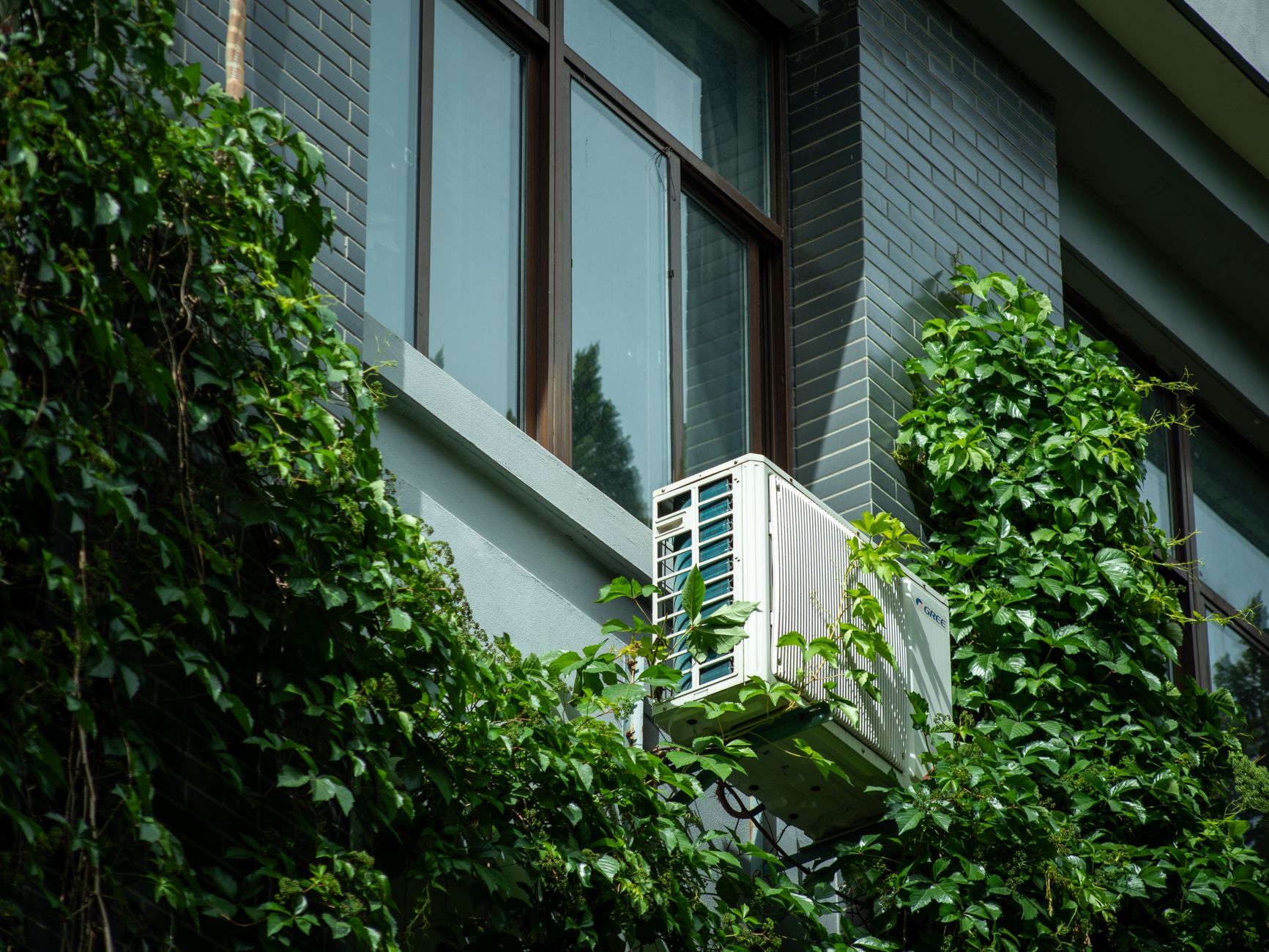
Energy efficiency appliances lower household utility bills by consuming significantly less electricity and water compared to standard models over their operational lifespan. Investing in these machines reduces your monthly expenditure, as the initial purchase price is offset by the cumulative reduction in energy usage during every cycle.
⚡ In a Rush? Key Takeaways
- Energy Star certified appliances use 10–50% less energy than standard alternatives.
- Modern heat pump tumble dryers consume roughly 60% less energy than traditional vented units.
- Cold-water washing cycles can reduce a machine’s energy draw per load by up to 75%.
- Replacing a 15-year-old refrigerator can save approximately $40–$60 on annual electricity costs.
- Prioritize high-efficiency models for appliances that run daily to ensure the fastest ROI.
Why Do Energy Efficiency Appliances Cost Less to Run?
Appliances are efficient when they use advanced sensors, high-grade insulation, and precision motors to minimize energy waste per cycle.
How Do Advanced Sensors Improve Appliance Performance?
Modern sensors detect load weight and soil levels to calibrate water and energy usage precisely, preventing unnecessary resource waste.
Older appliances often rely on fixed timers that run regardless of how many items are inside. This leads to wasted water in dishwashers and excess heat in laundry cycles.
By contrast, modern systems use load-sensing technology to adjust the cycle length dynamically. This ensures that you never use more energy than the specific load requires.
- Automatic water level adjustment
- Variable speed motor control
- Real-time temperature regulation
- Optimized drying cycle termination
What Role Does Insulation Play in Energy Savings?
Improved thermal insulation reduces the power required to maintain internal temperatures, directly lowering electricity consumption levels.
High-quality appliances feature thicker cabinet walls and better seals to prevent energy leakage. In refrigeration, this means the compressor cycles on much less frequently.
In ovens and dryers, superior seals ensure heat remains concentrated where it is needed. This prevents heat escape into your home, which also reduces your cooling load.
Why Do Inverter Motors Matter for Home Efficiency?
Inverter motors adjust rotation speeds continuously, consuming only the power needed for a specific task instead of running at full.
Traditional induction motors are either on or off, which causes sudden power surges. Inverter technology smooths this out, extending the machine’s overall mechanical life.
I have observed that machines with inverter drives are also significantly quieter during operation. This allows for more flexibility in when you run your laundry or dishwashing loads.
How Do You Calculate the Payback Period for New Appliances?
Calculate payback by comparing the price premium of an efficient model against the annual energy cost savings over the machine’s life.
Most efficient appliances carry a higher upfront cost. However, the long-term savings on energy bills often negate this within three to five years.
Is the Energy Star Label a Reliable Efficiency Metric?
The Energy Star label confirms a product meets strict energy efficiency guidelines set by government testing standards in the US.
These ratings provide a baseline comparison between similar models. It is a useful tool, though real-world results depend on your specific household usage patterns.
When choosing, I recommend looking beyond the label at the estimated annual kWh usage. This figure offers a more direct insight into your actual expected costs.
Does Proper Appliance Maintenance Extend Your Savings?
Regular maintenance, such as cleaning filters and coils, prevents efficiency drops that occur as dust and grime build up internally.
A refrigerator with dusty condenser coils works harder to stay cold, spiking your energy bill. Simple cleaning tasks every six months keep the unit running optimally.
- Cleaning dishwasher spray arms
- Vacuuming refrigerator condenser coils
- Clearing dryer vent exhaust paths
- Descaling water heating elements
Which Appliances Provide the Fastest Return on Investment?
Appliances used daily, such as clothes dryers and refrigerators, offer the fastest financial return when you choose efficient models.
Because these devices run constantly or frequently, the efficiency gap adds up quickly. You can read more about optimizing your home energy usage to maximize these returns.
| Appliance | Typical Saving/Year | Estimated Payback |
| Refrigerator | $45 | 4-6 Years |
| Clothes Dryer | $80 | 3-4 Years |
| Dishwasher | $25 | 5-7 Years |
What Financial Incentives Are Available for Efficient Appliances?
Many utilities, state programs, and federal tax credits offer rebates or credits that lower the upfront cost of ENERGY STAR models.
These incentives can shave hundreds of dollars off the purchase price, shortening the payback period significantly. Programs vary by region but commonly target high‑use appliances such as refrigerators, clothes dryers, dishwashers, and heat‑pump water heaters.
- Federal Residential Renewable Energy Tax Credit (up to 30% for qualifying heat‑pump water heaters and HVAC)
- State‑level ENERGY STAR rebates (often $50–$200 per appliance)
- Utility‑specific cash‑back or bill‑credit programs (e.g., $100 for an efficient dryer)
- Appliance recycling bonuses when you trade in an old unit
Frequently Asked Questions About Efficient Home Appliances
-
Are energy efficiency appliances more expensive to repair?
While parts for high-tech appliances can be costlier, efficient models often have lower failure rates due to superior components.
-
Do efficient appliances actually clean clothes or dishes as well?
Yes, modern high-efficiency appliances use advanced cycles to ensure cleaning performance is never compromised by lower water levels.
-
What should I do with my old inefficient appliances?
Check for utility rebate programs that offer cash back for recycling old appliances through authorized local collection services.
-
How does cold-water washing affect energy efficiency?
Washing in cold water eliminates the need for heating water, which accounts for the majority of a washer’s energy consumption.
-
Are smart appliances worth the extra cost for efficiency?
Smart features allow for scheduling and monitoring energy use, helping you manage demand, though they are secondary to core efficiency.
Choosing the right equipment is a cornerstone of running a better home for less. When you focus on appliances that align with your actual usage, the savings compound naturally over the years.
— Greta Michaud, Home Appliance Efficiency Researcher