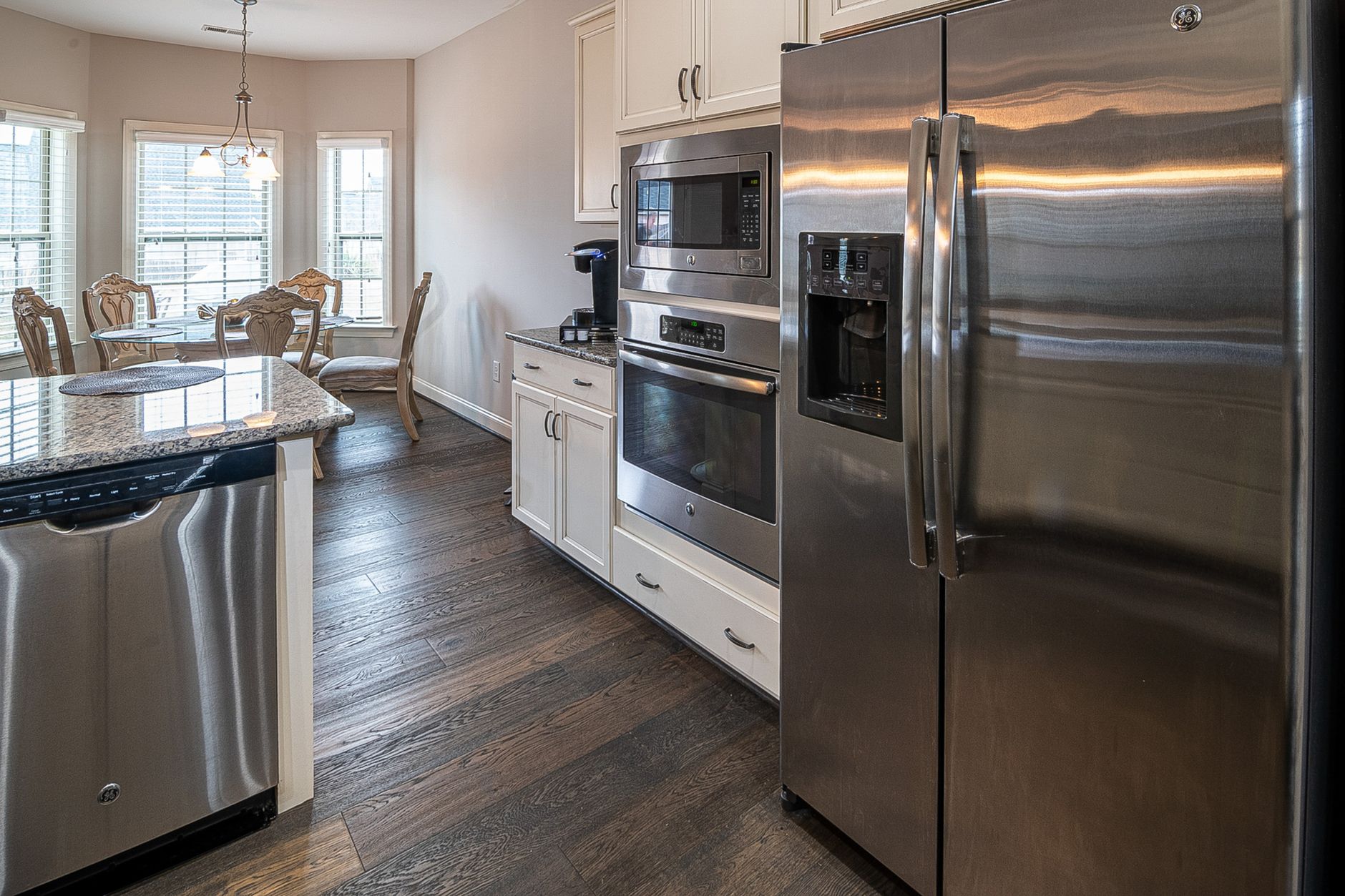
Home appliances are the primary drivers of household electricity consumption, often accounting for over 40% of a typical family’s monthly energy bill. Understanding exactly how these units drain power allows you to make targeted adjustments that significantly lower your overhead without sacrificing comfort or functionality.
⚡ In a Rush? Key Takeaways
- Standard refrigerator maintenance can save $30–$50 annually in energy costs.
- Switching from a 40°C to a 20°C wash cycle reduces energy use by up to 60%.
- Heat pump dryers consume 60–70% less energy than traditional vented models.
- Always wash full loads to maximize the energy-to-output ratio of your machines.
- ✅ Best ROI: Install a smart power strip to eliminate phantom standby power draw.
How Do Major Appliances Affect Your Monthly Energy Bill?
Major appliances like refrigerators and washers contribute 30–50% of home electricity use through consistent, long-term operational power draw.
Why Does Your Refrigerator Cost So Much to Run?
Refrigerators run 24/7, making them the largest baseline electricity user, costing roughly $60–$120 annually depending on unit age and seal quality.
A refrigerator is the only appliance in your home that never switches off. Because it works constantly, even minor inefficiencies like a worn door gasket or a dusty condenser coil force the compressor to cycle more frequently. Maintaining these seals ensures your electricity isn’t being wasted through thermal leakage.
- Vacuum condenser coils every 6 months to prevent motor strain.
- Keep your fridge between 35°F and 38°F for optimal efficiency.
- Check door seals for gaps by closing the door on a piece of paper.
Can Laundry Habits Really Lower Your Energy Usage?
Laundry efficiency relies on load management and water temperature, with cold washes saving up to 60% of the energy used per cycle.
Heating water accounts for the vast majority of a washing machine’s total energy expenditure. Most modern detergents are formulated to clean effectively in cold water, making the hot wash cycle largely unnecessary for daily items. Furthermore, high-speed spin settings extract more moisture, reducing the work required by your dryer later.
What Are the Best Ways to Manage Kitchen Appliance Costs?
Managing kitchen appliance costs involves prioritizing cold water usage, avoiding heated drying cycles, and selecting appropriately sized tools.
Is Using a Dishwasher Actually More Efficient Than Hand Washing?
A modern, full-load dishwasher uses 3–6 gallons of water per cycle, while hand washing the same dishes typically uses 15–27 gallons.
Many homeowners rely on hand washing under the assumption it saves water, but the math suggests otherwise. Beyond water savings, you can optimize your kitchen workflow by skipping the heated dry cycle. Simply opening the door at the end of the wash allows items to air-dry, saving nearly 0.5 kWh per run.
When Should You Choose a Microwave Over an Oven?
Microwaves use 50–70% less energy than standard electric ovens for small, single-portion meals by targeting only the water molecules in food.
For smaller quantities, the microwave is the clear winner for energy efficiency. However, when cooking large family-sized meals, the oven is more effective because it uses heat storage. You can compare appliance performance to see which unit fits your cooking volume best.
Which Maintenance Tasks Extend Appliance Lifespans?
Routine maintenance like cleaning filters and checking hose connections prevents expensive repairs and keeps appliances running at peak efficiency.
How Often Should You Service Your Large Appliances?
Annual inspection of appliance filters, hoses, and coils prevents 90% of common efficiency-related failures and costly service calls.
Preventative care is the simplest way to protect your investment. Appliances that run smoothly don’t fight friction, which translates to lower electricity bills over time. You might also consider using home maintenance tools to track the service dates for your specific units.
- Inspect washer inlet hoses for cracks every year.
- Clean dryer exhaust vents to prevent airflow restrictions.
- Clear ice buildup from freezers to maintain air circulation.
Why Does Standby Power Matter for Your Energy Bill?
Phantom energy draw from appliances in standby mode can account for 5–10% of total residential energy consumption if left unmanaged.
Many devices, such as coffee makers and microwaves, draw a small amount of power even when not in use. Using smart power strips allows you to cut current to these items when the primary device is off. This small change removes the silent drain on your monthly budget.
Frequently Asked Questions
-
Is it worth replacing a working appliance just for energy savings?
Usually, no; the embedded carbon and capital cost of a new unit rarely provide a faster ROI than simply optimizing your current machine.
-
Does the Energy Star label guarantee the lowest running cost?
Energy Star indicates superior efficiency, but actual running costs depend on your personal usage patterns and local electricity rates.
-
How can I track my home appliances’ energy consumption?
Smart plugs or whole-home energy monitors provide real-time data on individual appliance draw, identifying the highest-cost culprits.
Common concerns about appliance energy efficiency and operational cost reduction in modern home environments.
Maintaining an efficient home is a process of small, consistent actions rather than one-off purchases. By focusing on maintenance and mindful operation, you ensure your home appliances support your lifestyle without inflating your monthly utility bills. — Greta Michaud, Home Appliance Efficiency Researcher