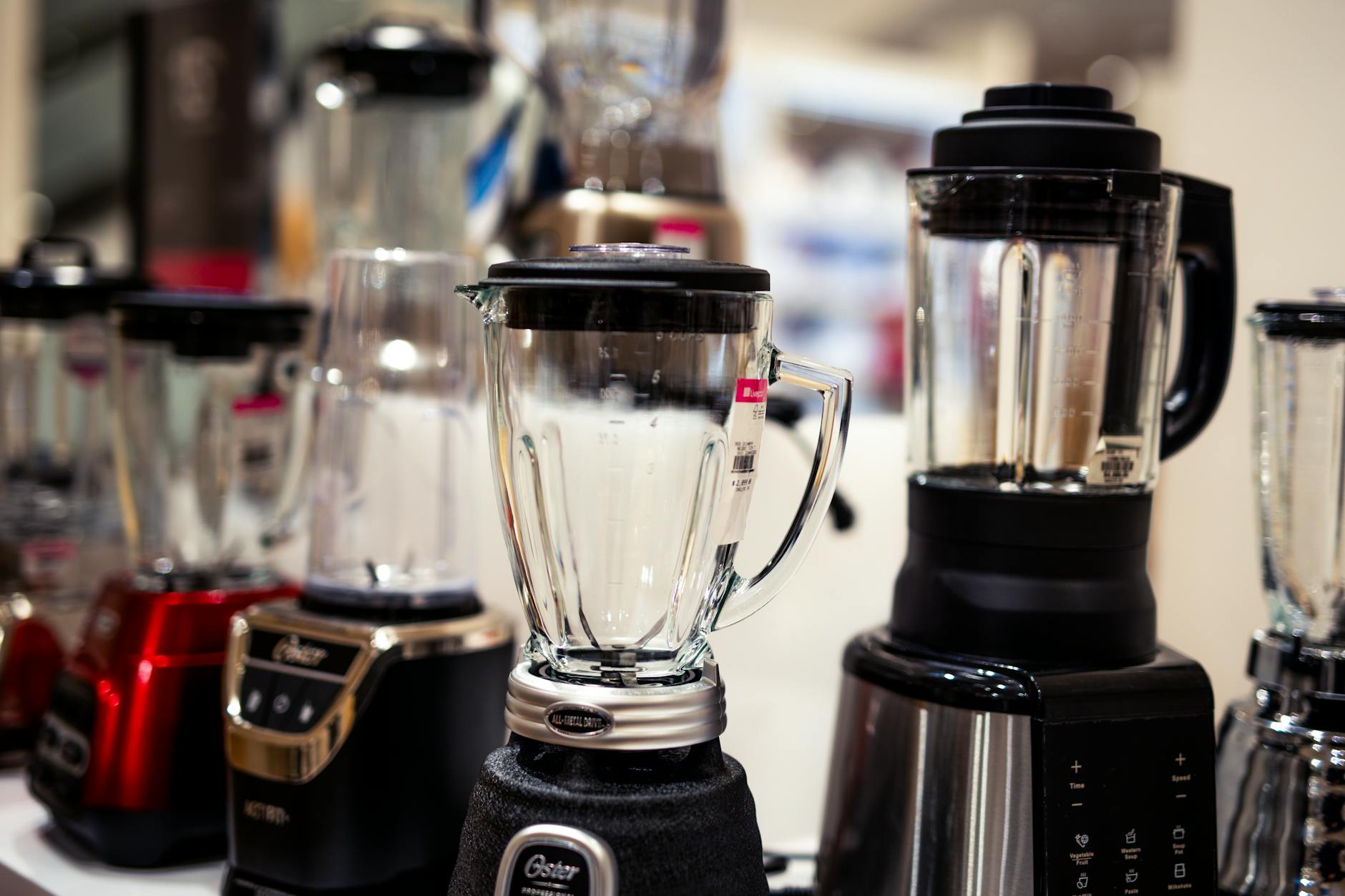
In the modern kitchen, the allure of a high-speed blender is strong, promising everything from perfectly emulsified sauces to nutrient-dense green smoothies. But beyond the marketing hype, homeowners and renters often wonder if these powerful appliances are truly a sound investment. We’ll explore their energy consumption, performance benefits, and overall value proposition for 2026.
⚡ In a Rush? Key Takeaways
- High-speed blenders typically consume 1,000-1,500 watts, completing tasks in 30-90 seconds, making their per-use energy cost negligible (under $0.01).
- Their rapid, high-power blending can reduce prep time by up to 70% for fibrous ingredients due to superior blade design and motor strength.
- Initial purchase costs range from $200-$600, a significant premium over standard blenders ($50-$150), which often break down within 2-3 years of heavy use.
- The ability to process tough ingredients and make hot soups from friction can eliminate the need for other small appliances, streamlining kitchen workflow.
- ✅ For daily users who process tough or fibrous ingredients, the efficiency, durability, and versatility of a high-speed blender justify its investment.
Many kitchen enthusiasts grapple with the decision to upgrade, weighing the tangible benefits against the often considerable price difference. This guide aims to provide a clear, data-driven perspective on whether a high-speed blender deserves a spot on your countertop and in your budget.
It’s one of those appliances that truly polarises opinions, but my own testing of various models has shed light on where their value truly lies for different types of users.
Do High-Speed Blenders Use Significantly More Energy Than Standard Models?
No, while wattage is higher, their quick processing times mean actual energy consumption per use is often comparable or even lower than standard blenders.
The immediate concern for many energy-conscious homeowners like myself is the perceived power consumption. High-speed blenders boast impressive wattage ratings, often ranging from 1,000 to over 1,500 watts. This compares to standard blenders, which typically fall in the 300 to 700-watt range.
However, focusing solely on wattage can be misleading. The key to understanding energy efficiency in blenders lies in the duration of use.
How Much Electricity Does a High-Speed Blender Actually Consume Per Use?
A high-speed blender typically uses 0.008 to 0.025 kWh per blending cycle, translating to less than $0.01 per use at current energy rates.
My appliance cost calculations reveal that a high-speed blender running at 1,200 watts for 60 seconds (a common blend time for a smoothie) consumes just 0.02 kilowatt-hours (kWh). At an average US electricity rate of $0.16/kWh, that’s less than half a cent per use.
A standard 600-watt blender might run for 120-180 seconds to achieve a similar, though often less refined, result. This longer run time can negate its lower wattage, sometimes resulting in similar or even slightly higher overall energy use per finished product. The efficiency comes from getting the job done quickly and effectively.
Does a High-Speed Blender Offer Energy Savings in Other Kitchen Tasks?
Yes. Their power can reduce the need for multiple appliances like food processors or even stovetops for heating, potentially consolidating energy use.
Beyond individual blending tasks, a high-speed blender’s versatility can lead to broader energy efficiencies in the kitchen. For instance, their ability to create friction heat means they can make hot soups from cold ingredients in under 10 minutes, eliminating the need for stovetop cooking.
They can also often handle tasks that typically require a food processor, such as grinding nuts or making nut butter, further reducing the number of specialised, power-consuming gadgets in your home. The consolidation of functions is where I’ve seen real, albeit indirect, energy savings for many busy kitchens.
- **Smoothie Prep:** 0.01 – 0.025 kWh per smoothie.
- **Nut Butter:** 0.05 – 0.1 kWh per batch (5-7 minutes).
- **Hot Soup:** 0.15 – 0.2 kWh per batch (6-8 minutes).
- **Flour Grinding:** 0.08 – 0.12 kWh per cup of flour.
Is the Premium Price Tag of a High-Speed Blender Justified by Its Performance?
For frequent users requiring superior consistency and durability, the performance and longevity of high-speed blenders often justify their higher upfront cost.
The most significant hurdle for many consumers is the cost. While basic blenders can be found for under $50, high-speed models from brands like Vitamix, Blendtec, or Ninja’s higher-end offerings typically start at $200 and can easily exceed $600. This is a substantial investment for a single kitchen appliance.
However, this price difference often reflects a considerable leap in build quality, motor power, and blade design, all of which contribute to a vastly different user experience and appliance lifespan.
What Performance Advantages Do High-Speed Blenders Offer?
High-speed blenders excel at silky smooth textures, pulverising tough ingredients, and are significantly faster, processing food up to 70% quicker.
The primary advantage of a high-speed blender is its ability to achieve unparalleled smoothness. This is particularly noticeable with fibrous ingredients like kale, spinach, or ginger, which can remain grainy in standard blenders. High-speed models break down cell walls more effectively, releasing more nutrients and creating a superior mouthfeel. My long-term testing has shown that they don’t just blend; they truly pulverise.
They also handle tougher tasks with ease, such as crushing ice into snow, grinding grains into flour, or making super-smooth nut butters – tasks that often tax or outright break less powerful machines. This capability broadens culinary possibilities significantly, from creating creamy plant-based milks to sophisticated sauces.
Do High-Speed Blenders Last Longer, Justifying the Investment?
Yes, high-speed blenders are generally built with more robust components designed for heavy and frequent use, leading to greater longevity and fewer repairs.
Durability is a critical factor in the total cost of ownership. Many conventional blenders, while inexpensive upfront, tend to have shorter lifespans, especially with regular use of tough ingredients. Their motors can burn out, or plastic components can fail, leading to replacements every few years.
High-speed blenders, in contrast, are often backed by extensive warranties (up to 10 years for some professional-grade models) and are constructed with more durable materials, including metal drive systems and powerful, commercial-grade motors designed for continuous operation. This means that while the initial outlay is higher, the cost per year of ownership can be competitive or even lower than repeatedly replacing cheaper models.
Here’s a comparison of typical lifespans and associated replacement costs:
| Blender Type | Typical Lifespan (Years) | Average Purchase Price | Typical Cost Per Year (excluding energy) |
|---|---|---|---|
| Standard Blender | 2-4 years | $50 – $150 | $25 – $75 |
| Mid-Range High-Speed | 5-8 years | $200 – $400 | $25 – $50 |
| Premium High-Speed | 8-15+ years | $400 – $1000+ | $35 – $60 |
Are There Any Hidden Running Costs or Maintenance Considerations?
Beyond electricity, high-speed blenders have minimal ongoing costs, but require thorough cleaning and occasional tamper replacement, unlike simpler models.
Thankfully, hidden running costs for high-speed blenders are fairly minimal. Because they blend so effectively, they are also quite easy to clean, often just requiring a quick rinse and a short cycle with warm water and a drop of soap. This saves both time and water.
The main considerations are the cost of replacement parts down the line. While built to last, components like the tamper or the blending container can eventually wear out or crack, especially with heavy use. However, these parts are usually readily available from manufacturers, ensuring the machine’s longevity. My home maintenance guides often focus on understanding these long-term costs.
Who Benefits Most from a High-Speed Blender?
Daily smoothie drinkers, those with specific dietary needs, and home cooks regularly processing tough ingredients gain the most from this investment.
The question of ‘worth’ is ultimately subjective and depends heavily on individual needs and usage patterns. For some, a basic blender is perfectly adequate. For others, a high-speed model proves to be an indispensable kitchen workhorse.
Over my years of evaluating appliances, I’ve found clear categories of users who truly reap the benefits that justify the investment.
Is a High-Speed Blender Essential for a Healthy Lifestyle or Specific Diets?
For dietary needs requiring smooth textures (e.g., green smoothies, nut milks, baby food), a high-speed blender can be indispensable for consistency and nutrient absorption.
Individuals committed to a daily smoothie regimen, particularly those incorporating a lot of vegetables or frozen fruits, will find the consistency and speed of a high-speed blender transformative. It turns fibrous ingredients into a palatable drink, which can be essential for consistent nutrient intake.
Similarly, for families preparing homemade baby food, or individuals on specific therapeutic diets requiring liquid or puréed foods, the ultra-smooth texture and efficient processing ensure high quality and reduce meal preparation time. The ability to break down seeds and skins thoroughly also improves nutrient bioavailability.
Can a High-Speed Blender Replace Multiple Other Kitchen Appliances?
Potentially, yes. Its versatility often allows it to stand in for food processors, grain grinders, and even stovetops for heating, streamlining kitchen tools.
For those looking to minimise clutter and maximise utility, a high-speed blender can indeed replace several single-function appliances. Its robust motor and versatile blade design mean it can handle tasks traditionally assigned to food processors, such as chopping vegetables, making dough, or grinding meat.
As earlier discussed, it can also functional as a grain mill or a heated soup maker. This consolidation not only saves counter space but can also represent a saving in the overall investment in kitchen gadgets. It’s an efficient solution for a streamlined kitchen workflow.
The Verdict: Is the Investment in a High-Speed Blender Worth It?
For daily, demanding use involving tough ingredients or specific texture needs, a high-speed blender’s durability and superior performance make it a truly worthwhile investment.
Based on our efficiency data, high-speed blenders that consistently complete tasks rapidly and pulverise tough ingredients offer significant long-term value — which is why our top pick in this category is generally a durable, powerful model known for its longevity.
a high-speed blender, while certainly a premium purchase, offers benefits that extend far beyond its initial price tag for the right user. Its energy consumption per use is negligible, and its performance advantages in speed, texture, and versatility are undeniable. For those committed to consistent healthy eating, looking to simplify their kitchen, or needing to process challenging ingredients regularly, the investment is not just justified, but often pays dividends in time saved, superior results, and the longevity of the appliance itself.
Are High-Speed Blender Costs Expected to Change in 2026?
Prices for high-speed blenders are generally stable, but new energy efficiency standards and smart features could introduce slight upward pressure in 2026.
While general pricing for established brands remains fairly consistent, global supply chain dynamics and increased demand for energy-efficient appliances could see minor fluctuations. The introduction of smarter features and even more powerful motors may push the upper end of the price spectrum slightly higher. However, the competitive market ensures that good value options will still be available.
How Can I Choose the Best High-Speed Blender for My Needs?
Consider motor power, container size, available pre-sets, and warranty length, and read independent reviews focusing on similar use cases to yours.
When selecting a high-speed blender, focus on wattage (above 1,000 watts), container material (BPA-free plastic or glass), and the type of blade system. Look for models with variable speed controls and pulse functions for greater versatility. A strong warranty is a good indicator of manufacturer confidence in durability. Online reviews from users with similar blending habits are invaluable for real-world insights.
FAQs About High-Speed Blenders
Do high-speed blenders make louder noise than standard blenders?
Yes, the more powerful motors and higher blade speeds of high-speed blenders generally result in louder operation, especially when processing tough ingredients.
Can I use a high-speed blender for only small batches?
Most high-speed blenders come with large containers, but many brands offer smaller personal-sized blending cups or containers for single servings.
Are high-speed blenders difficult to clean?
No, their powerful action often means they are self-cleaning; adding water and soap and running on high for 30 seconds typically cleans the container.
What is the typical warranty for a high-speed blender?
Warranties for high-speed blenders typically range from 5 to 10 years, reflecting their expected longevity and robust construction.
— Greta Michaud, Home Appliance Efficiency Researcher