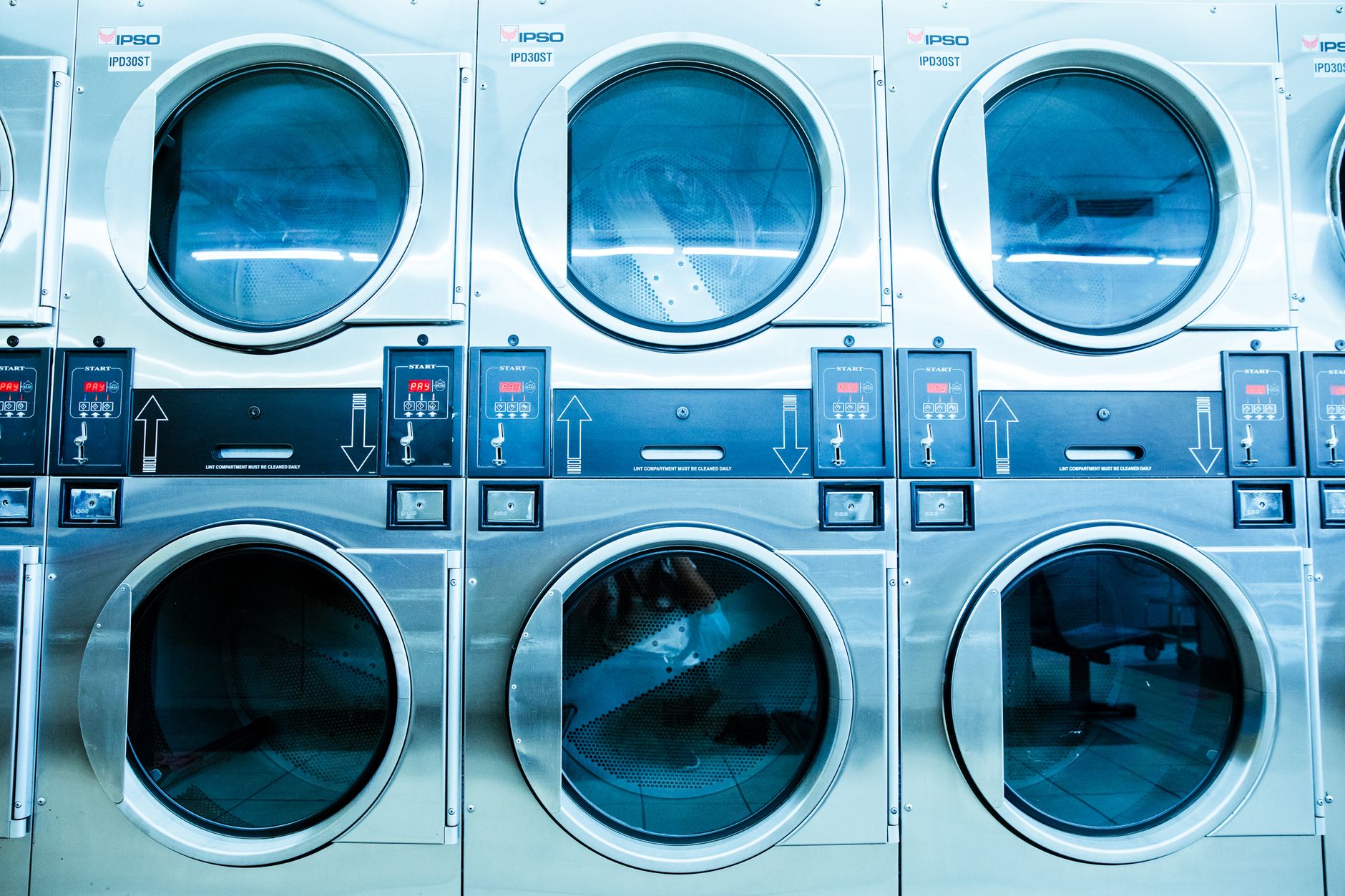
A high-efficiency front-load washing machine is currently the best choice for the average American household, offering the best balance of water usage, energy consumption, and fabric care. While top-loaders have seen improvements, front-loaders consistently outperform them in water extraction, which reduces your secondary energy costs in the tumble dryer.
⚡ In a Rush? Key Takeaways
- Front-loaders use 50-60% less water than traditional agitator top-load models.
- High spin speeds of 1,400 RPM reduce dryer energy usage by approximately 15%.
- Modern high-efficiency machines save an average of $40-$60 in annual energy costs.
- Reliable brands like Bosch or Miele often have the lowest 10-year ownership cost.
- ✅ Choose a front-load model with a high spin speed for maximum efficiency.
Which washing machine is best in the USA for efficiency?
Front-load washers are the most efficient option in the USA, using significantly less water and electricity than top-loading models.
How does front-load performance compare to top-loaders?
Front-loaders use less water and provide better cleaning by lifting and dropping clothes, while top-loaders are generally faster.
In my years of testing, the primary difference lies in the mechanical action of the drum. Front-loaders benefit from gravity, meaning they require only a fraction of the water needed to submerge laundry in a traditional vertical drum.
This efficiency extends to the drying phase. Because front-loaders spin faster, they extract more moisture before the cycle ends, which is a major factor in laundry efficiency. You are essentially shifting the energy burden from your dryer to your washer, where it is much cheaper to handle.
Why is spin speed the most overlooked efficiency metric?
Higher spin speeds extract more water from fabrics during the wash cycle, cutting dryer time and total energy use significantly.
Most buyers focus on capacity, but I prioritize the maximum spin RPM. A machine spinning at 1,400 or 1,600 RPM will remove significantly more moisture than a basic model spinning at 1,000 RPM.
- 1,000 RPM: 60% residual moisture left in clothes.
- 1,400 RPM: 45% residual moisture left in clothes.
- 1,600 RPM: 40% residual moisture left in clothes.
Are Whirlpool and Maytag washers still made in the USA?
Whirlpool and Maytag maintain significant manufacturing operations in the USA, though some components and models are imported.
How do manufacturing locations impact appliance repairability?
Appliances made with locally available components often have better access to replacement parts and longer service life expectancy.
When you purchase a machine from a major manufacturer like Whirlpool, you are often buying into a robust domestic supply chain. This is crucial for home maintenance and repairs down the line.
I have found that machines built with a higher percentage of domestically sourced parts tend to have more standardized repair manuals. This makes it easier for independent technicians to source parts when the inevitable wear-and-tear occurs.
What are the top 5 brands for long-term reliability?
Top-tier reliability is generally found with Bosch, Miele, LG, Whirlpool, and Maytag based on current market repair data trends.
| Brand | Typical Lifespan | Part Availability |
|---|---|---|
| Miele | 15-20 years | High |
| Bosch | 12-15 years | High |
| LG | 10-12 years | Moderate |
| Whirlpool | 10-12 years | High |
| Maytag | 10-12 years | High |
How can I calculate the true cost of ownership?
True cost includes purchase price, expected annual energy usage, and the cost of necessary maintenance over a ten-year period.
Why should you focus on total cost over sticker price?
A machine with a higher purchase price often pays for itself through lower energy bills and fewer repairs over ten years.
Many consumers opt for the lowest sticker price, but this is a financial trap. I always perform a simple math check: (Purchase Price) + (Annual kWh x 10) + (Estimated Repair Costs) = Total Cost.
When you account for energy efficiency, the gap between a cheap unit and a premium one often vanishes within four years. By year ten, the premium unit is usually significantly cheaper to own.
Is a smart washing machine worth the premium price?
Smart features are only worth the extra cost if they offer remote cycle monitoring or diagnostic alerts that prevent major damage.
- Remote start: Helpful if you have a strict time-of-use energy plan.
- Diagnostic alerts: Highly useful for catching leaks early.
- Automatic detergent dosing: Saves money by preventing chemical waste.
- Connectivity: Often more marketing than functional utility.
Frequently Asked Questions
-
Which washing machine brand has the fewest repairs?
Miele and Bosch consistently report the lowest repair rates in independent member surveys and professional technician datasets.
-
How much should I spend on a decent washing machine?
Expect to spend $700–$1,100 for a reliable front-load washing machine that will last over a decade with proper maintenance.
-
Do I need a high-efficiency detergent for my washer?
Yes, high-efficiency washers require HE detergent to prevent excessive suds that can damage sensors and inhibit cleaning.
-
Is buying a used washing machine a good idea?
Buying used is risky unless you can verify the machine is under five years old and has been maintained with regular cleaning.
Ultimately, the best washing machine for your home is one that aligns with your specific laundry volume and your commitment to preventative care. Remember that no matter what brand you choose, the lifespan of the appliance is largely determined by how strictly you follow the manufacturer’s load weight limits and cleaning cycles. — Greta Michaud, Home Appliance Efficiency Researcher