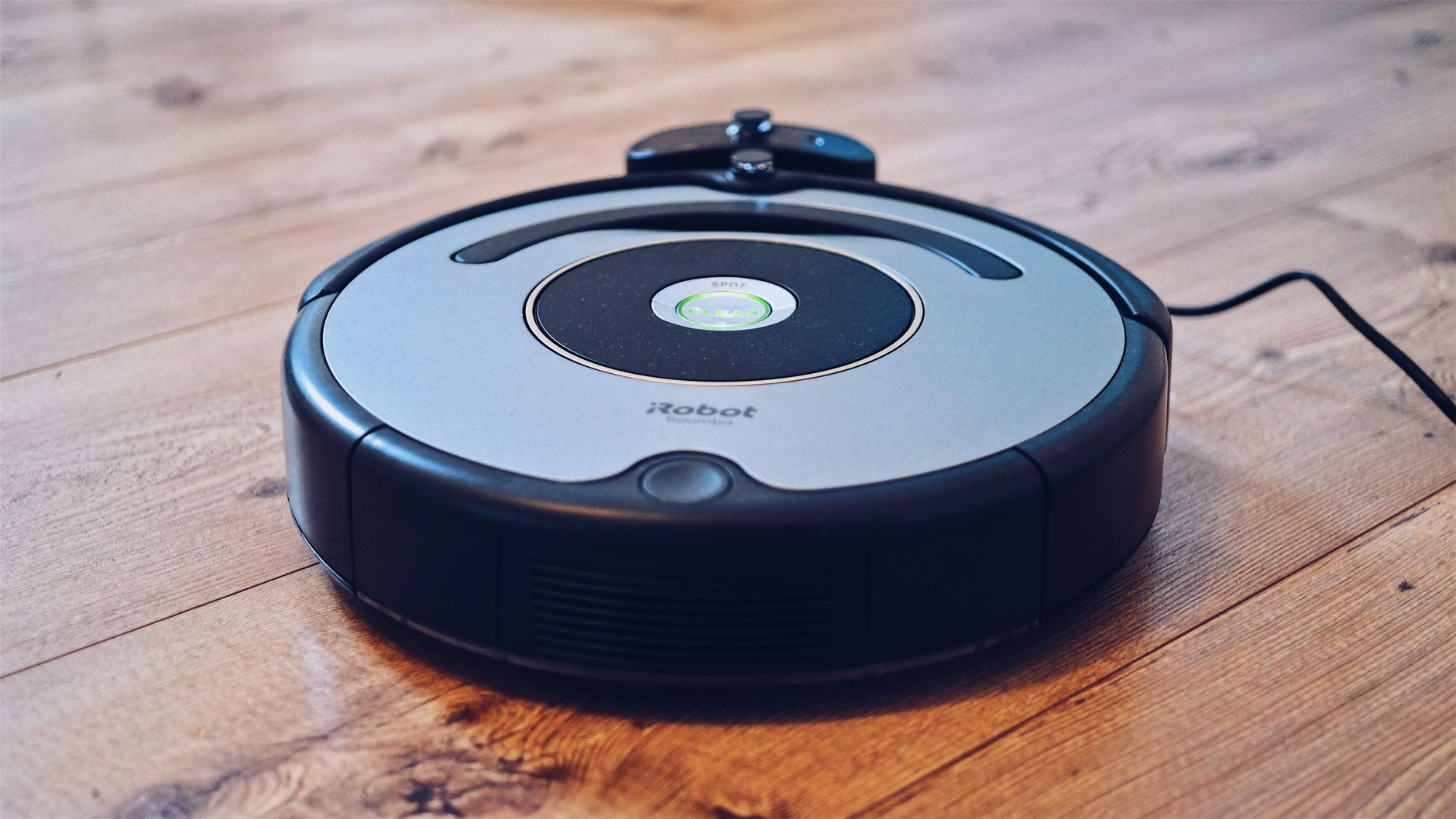
Robot vacuum cleaners are automated floor-maintenance devices that use sensors and mapping technology to navigate and clean your home independently. While they do not eliminate the need for manual vacuuming entirely, they significantly reduce the frequency of deeper cleans by managing dust, pet hair, and debris on a daily cycle.
⚡ In a Rush? Key Takeaways
- Entry-level robot vacuums start at $200, while premium models reach $1,200+.
- Top models reduce manual vacuuming frequency by 70–80% for most households.
- Battery lifespans typically last 2–3 years before requiring professional replacement.
- Maintenance costs include filters and brushes, averaging $40–$60 annually.
- ✅ Best value: Choose a mid-range model with LiDAR for most home layouts.
Is a Robot Vacuum Cleaner Actually Worth the Cost?
Robot vacuums save approximately 2–4 hours per week for most families, making them a high-value tool for managing daily floor hygiene.
How do robot vacuums impact your home running costs?
They reduce wear on carpets by preventing grit buildup and limit your need for expensive deep cleaning services by catching debris early.
Integrating an automated cleaner into your routine extends the life of your floor coverings. By removing abrasive dust and tracked-in grit daily, you prevent the fibres from fraying over time. Regular maintenance is essentially a form of preventative home care that protects your flooring investment.
- Prevents fine dirt from settling deep into carpet piles.
- Reduces the frequency required for professional steam cleaning.
- Lower energy consumption compared to high-wattage upright vacuums.
- Saves significant time for households with pets or high traffic.
What is the typical lifespan of an automated vacuum?
Most quality units last four to six years with proper care, though the battery usually requires a replacement every three years.
Longevity depends heavily on how often you clear the sensors and brushes. Neglecting to cut away hair from the main roller can strain the motor, leading to premature failure. Keeping the charging contacts clean ensures the battery maintains its cycle efficiency.
| Component | Replacement Interval | Estimated Cost |
|---|---|---|
| HEPA Filter | 3–6 Months | $10–$15 |
| Side Brushes | 6–12 Months | $8–$12 |
| Main Roller | 12–18 Months | $20–$30 |
Which Features Matter Most for Efficient Cleaning?
Look for LiDAR navigation, carpet-boost suction, and self-emptying docks to ensure the machine actually reduces your daily workload.
Why should you prioritise LiDAR over camera-based systems?
LiDAR mapping technology allows for precise navigation in total darkness, ensuring full coverage without relying on ambient light sources.
Cameras can struggle in low-light environments, leading to inefficient paths or missed areas. LiDAR provides a consistent, accurate map that allows the robot to plan the shortest route possible, saving battery and reducing total cleaning duration.
- LiDAR enables multi-floor mapping and room-specific scheduling.
- It maintains accuracy even when blinds are drawn or lights are off.
- Sensors detect obstacles faster than optical camera processing.
- Mapping improves the consistency of kitchen workflow management.
Do you really need an automatic self-emptying base?
The base is essential for true automation, as it allows the device to operate for weeks without any physical intervention from the user.
Without a base, you must manually empty the internal bin after every single session. This creates a friction point that often leads to users stopping the daily schedule entirely. For long-term utility, the base is the most important efficiency feature.
What Should You Look for in a Robot Vacuum Brand?
Focus on established companies offering local support and widely available parts, as proprietary designs can become obsolete quickly.
Are there reliable American-based vacuum companies?
While manufacturing is often global, several iconic US-based brands provide the most robust customer support networks and repair access.
iRobot remains the primary domestic standard for reliability and support. Choosing these brands ensures that if a sensor fails or a battery dies, you can actually source the replacement part rather than discarding the entire unit.
- Access to local repair centres and customer service channels.
- Easier availability of replacement filters and proprietary rollers.
- Consistent firmware updates improving navigation over several years.
- Greater integration with established smart home ecosystems.
How do you troubleshoot common navigation issues?
Most navigation errors result from dirty cliff sensors or cables on the floor that confuse the mapping software during the cleaning run.
If your robot starts failing to find its base, check for dust buildup on the infrared sensors. Keeping floor areas organized and free of loose charging cables prevents the most common mechanical traps.
Frequently Asked Questions
-
Can a robot vacuum replace a regular vacuum cleaner?
It works best as a supplement, handling daily maintenance while you perform a deep manual clean once every two weeks for baseboards.
-
Does the mop feature on combo units actually clean floors?
The mopping function is effective for light dust and spills, but it cannot replicate the scrubbing power of a manual mop for stains.
-
How often should you replace the vacuum filters?
Replace your HEPA filters every three to six months to maintain airflow, reduce strain on the motor, and ensure allergens are trapped.
Common concerns include navigation accuracy, performance on deep carpets, and the overall longevity of robotic hardware components.
Bottom Line
If your floor plan is relatively open and you value daily convenience, a robot vacuum is an excellent, cost-effective home improvement.
Focus on units with LiDAR navigation and self-emptying bases to ensure the machine solves a problem rather than creating new chores for you. By handling the daily upkeep, these devices provide a significant return on time, allowing you to focus your manual efforts on the areas that truly need a deep scrub.