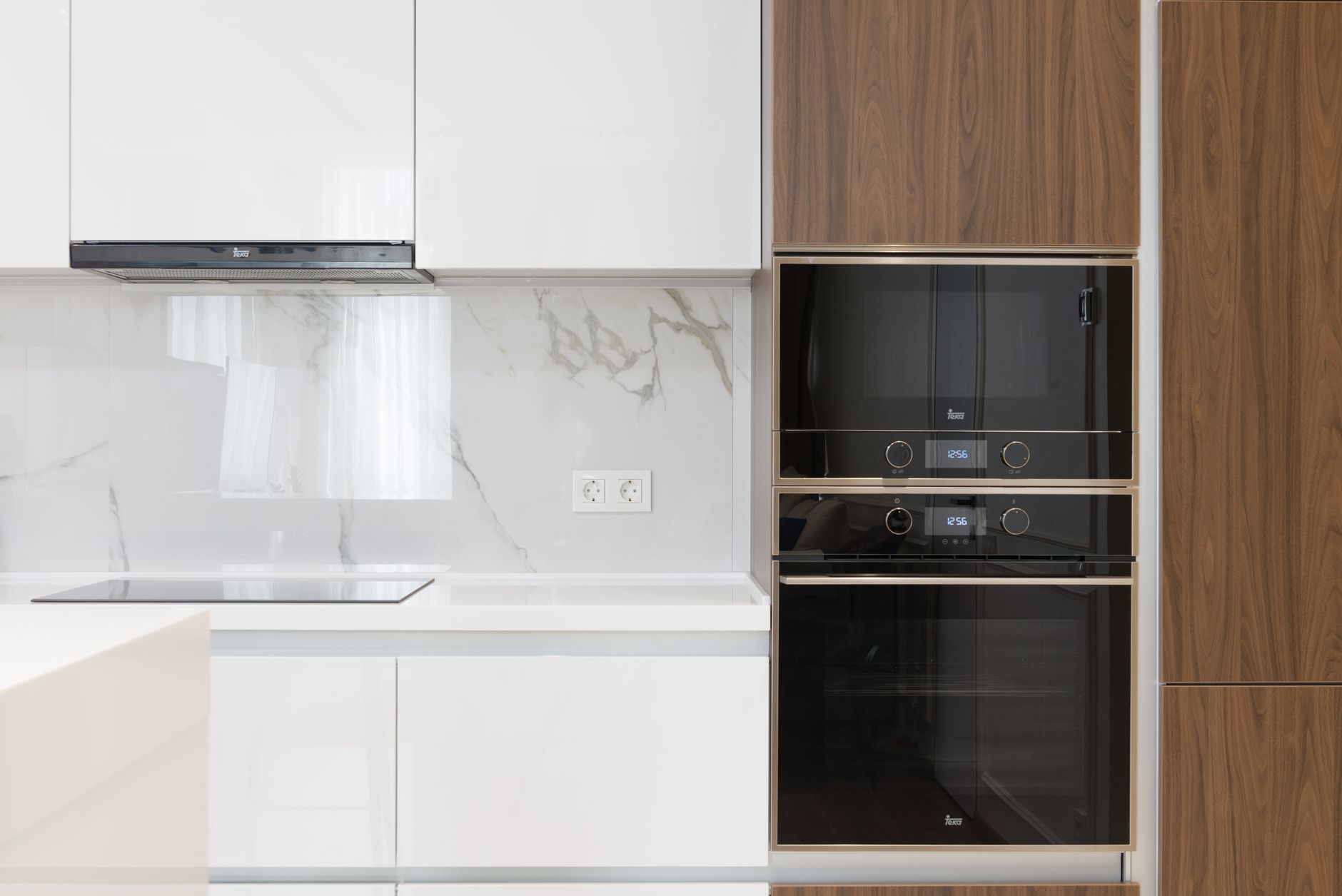
Purchasing kitchen appliances as a bundle can seem like a convenient way to save money on a major home renovation, but the actual savings are often less straightforward. This guide explores the financial and practical implications of appliance bundles versus buying each unit separately, providing real-world cost analysis for 2026.
⚡ In a Rush? Key Takeaways
- Kitchen appliance bundles offer an average discount of 10-20% off MSRP for 3+ items, but 5-10% is more common during sales.
- Individual appliance purchases can yield 15-25% savings by waiting for specific sales events, surpassing typical bundle discounts.
- Premium brand appliance bundles typically save $500-$1,500 over individual purchases, while mid-range bundles save $200-$500.
- Hidden costs for bundles include unwanted features or slower delivery, negating some perceived savings.
- ✅ Best value: Purchase individually by tracking sales for each appliance, prioritizing specific needs over package deals.
In countless conversations with homeowners embarking on kitchen remodels, the ‘bundle or unbundle’ question is almost universal. The allure of a single purchase with a seemingly attractive discount is strong, but my eight years of tracking appliance purchases suggest the true value lies in the details. Often, the perceived convenience of a bundle can mask a less-than-optimal financial decision in the long run.
Manufacturers compete fiercely on sticker price and heavily promote bundles during peak sales periods. However, a deeper dive into the total cost of ownership, including running costs and repair likelihood, often reveals that true savings are gained through careful individual selection rather than accepting a package deal.
Do Appliance Bundles Offer Significant Cost Savings Over Individual Purchases?
Kitchen appliance bundles typically offer a 5-10% discount off the combined MSRP of individual items, rarely exceeding 20% even during major sales events.
When considering a complete kitchen overhaul, appliance bundles are frequently presented as the most cost-effective option. The idea is simple: buying a refrigerator, range, dishwasher, and microwave from the same brand as a package should unlock a better price than buying each piece separately. While this can be true, the discount percentage is often smaller than many consumers anticipate.
I frequently observe manufacturers promoting bundle deals that suggest substantial savings. However, when I calculate the actual reduction from the cumulative Manufacturer’s Suggested Retail Price (MSRP) of the individual components, the discount rarely exceeds 10% on average. During major holiday sales or store-specific promotions, this might stretch to 15% or 20% in exceptional cases, but these are outliers rather than the norm.
What are the Average Discount Percentages for Common Appliance Bundles?
Mid-range appliance bundles typically provide a 5-8% discount, while premium brand bundles might offer 10-12% or a single free appliance like a dishwasher.
The average discount for appliance bundles hovers in the mid-single digits. For instance, a four-piece GE Profile kitchen suite that totals $8,000 when purchased individually might be bundled for $7,500, representing a 6.25% saving. More premium brands, like KitchenAid or Bosch, might offer slightly higher percentage discounts, or include a free dishwasher with the purchase of a refrigerator, range, and microwave. These offers can shift quarterly, so timing your purchase is crucial.
- Entry-level bundles (e.g., Amana, Hotpoint): 3-7% discount ($100-$300 total saving on a $3,000-$5,000 suite).
- Mid-range bundles (e.g., Whirlpool, GE, Samsung): 5-10% discount ($200-$700 total saving on a $5,000-$9,000 suite).
- Premium bundles (e.g., Bosch, KitchenAid, Electrolux): 8-15% discount or a ‘free’ smaller appliance ($500-$1,500 total saving on a $10,000-$20,000 suite).
Can Individual Appliance Sales Match or Exceed Bundle Savings?
Yes, strategic individual purchases during peak sales periods for each appliance type can often create greater cumulative savings than a standard bundle.
While bundles offer convenience, individual appliance purchases allow for greater flexibility in timing and selection. Retailers often run individual promotions throughout the year that target specific appliance categories. For example, refrigerators might see their deepest discounts in May, while ranges are often discounted in September or October. By tracking these cycles, it is possible to secure larger individual discounts.
I’ve seen homeowners achieve total savings of 15% to 25% off the collective MSRP by purchasing each appliance during its optimal sales window. This approach requires patience and meticulous planning, but the financial payoff can be substantial. It’s about being proactive and not settling for the first deal you see.
| Appliance Type | Best Sale Month(s) | Typical Individual Discount |
|---|---|---|
| Refrigerators | May, September | 10-20% |
| Ranges/Ovens | January, October | 10-25% |
| Dishwashers | April, July | 15-20% |
| Microwaves | Black Friday, December | 5-15% |
The key here is understanding the dynamic nature of appliance pricing and leveraging it. A little foresight can genuinely lead to significant savings. In my own research, I track running costs as the primary evaluation metric because manufacturers compete fiercely on sticker price and very little on the number that matters over time.
What are the Hidden Costs and Benefits of Appliance Bundles?
Appliance bundles can hide costs like unwanted features, reduced flexibility in choice, and potentially slower or misaligned delivery schedules for renovation projects.
The appeal of a bundle often centers on simplicity: one purchase, one delivery, one brand aesthetic. However, beneath this convenient surface, there can be hidden costs that erode the perceived savings. These less obvious downsides can accumulate, turning an apparent deal into a less optimal choice for your home.
For example, a common scenario is needing a specific refrigerator model but being forced into a bundle that includes a range with features you won’t use, or a dishwasher that isn’t quite as efficient as a standalone alternative. This can lead to paying for unnecessary specifications or compromising on long-term performance simply for the sake of the bundle discount.
Do Appliance Bundles Limit Product Choice and Customisation?
Yes, bundles restrict selection to specific models within a brand, potentially forcing compromise on desired features, size, or an appliance’s energy efficiency.
One of the most significant drawbacks of appliance bundles is the inherent limitation on choice. When you commit to a brand’s bundle, you are typically selecting from a predefined set of appliances. This might mean you get a refrigerator with all your desired features, but the accompanying dishwasher has a less efficient wash cycle, or the range doesn’t perfectly fit your cooking style.
For example, if you’re deeply interested in the running cost of dishwasher running costs, a bundle might include a less energy-efficient model than you could source individually. This trade-off can negate initial savings through higher utility bills over the appliance’s lifespan. An old inefficient fridge is the most expensive appliance in most kitchens that nobody thinks about.
How Do Delivery and Installation Costs Compare for Bundles vs. Individual Purchases?
Delivery and installation costs are largely comparable for bundles versus multiple individual purchases from the same retailer, but bundles offer fewer distinct delivery events.
The logistic side of appliance purchasing is often overlooked. With a bundle, you usually negotiate a single delivery and installation fee for all items arriving at once. This can simplify the process, especially during a busy renovation period. However, if you purchase individually from the same retailer, they will often still consolidate delivery, or charge per delivery event, not per item.
- Bundle delivery: Typically a single flat fee ($75-$150) for all items.
- Individual delivery from same retailer: Often a single fee, or a slightly higher fee ($100-$200) if items arrive separately.
- Individual delivery from different retailers: Multiple delivery fees ($75-$150 per retailer), increasing total cost.
- Installation: Usually charged per appliance, regardless of bundle or individual purchase, unless specifically included in a promotional offer. Standard installation for a range is $100-$200, a dishwasher $150-$300.
Where bundles can occasionally falter is in the timing of a remodel. If your kitchen isn’t ready for all appliances simultaneously, a bundle might sit in storage, incurring potential storage fees or delaying installation. Individual purchases allow for more staggered delivery aligned with your renovation timeline.
The simple point is that the cost of appliance ownership has three components that matter: purchase price, running cost, and repair/replacement cost. Most buyers optimise on purchase price and ignore the other two. Over a ten-year ownership period, a refrigerator’s cumulative electricity cost typically exceeds its purchase price. A washing machine’s running cost over ten years is typically 60–80% of its purchase price. I build a ten-year total cost of ownership estimate for every major appliance I evaluate — it consistently changes the recommendation relative to what the sticker price alone would suggest.
When Do Appliance Bundles Make the Most Financial Sense?
Appliance bundles are most financially prudent for budget-constrained buyers who prioritize simplicity and consistent aesthetics over specific features and maximum long-term savings.
Despite their limitations, appliance bundles do have a place in certain purchasing scenarios. For some homeowners, the convenience and guaranteed aesthetic consistency outweigh the marginal financial benefits of buying separately. It’s about aligning the purchase strategy with individual priorities and renovation goals.
I find that bundles are particularly appealing for first-time homebuyers or landlords updating a rental property, where consistency and a reasonable upfront cost are primary drivers. They offer a no-fuss solution that gets the job done without extensive research into individual appliance specifications.
Which Buyer Profiles Benefit Most from Appliance Bundles?
Homeowners prioritizing aesthetic uniformity, streamlining the purchase process, or those on a strict budget for a full kitchen suite benefit most.
The ideal candidate for an appliance bundle is someone who values a cohesive look in their kitchen and a simplified purchasing experience. Trying to match finishes and handles across different brands can be a tedious process, and bundles eliminate this concern entirely. Additionally, for remodels with tight deadlines, a single order for all major appliances can prevent logistical headaches.
Here are specific profiles that typically benefit from bundles:
- First-time renovators: Less experience in appliance research, appreciate streamlined decision-making.
- Landlords/Property Managers: Need reliable, cost-effective appliances with a consistent look for multiple units, often with limited time for individual sourcing.
- Budget-conscious buyers: The fixed discount on a bundle provides predictable savings, even if not the absolute lowest price possible.
- Design-focused buyers: Value the aesthetic harmony of matching brand appliances.
Are There Any Brands That Consistently Offer Better Bundle Deals?
Brands like Samsung, LG, Whirlpool, and GE often have aggressive bundle promotions, especially during major holiday sales and for mid-range product lines.
While specific deals fluctuate, certain brands are known for their competitive bundle offerings. Samsung and LG, for example, frequently run ‘buy three, get one free’ or significant percentage-off promotions that can make their bundles very attractive. These brands often invest heavily in marketing their kitchen suites, making them visible options during peak shopping seasons.
The key is to compare the bundled price not just to the current individual prices, but to the historical lowest price each individual appliance has sold for. This requires a little more research using price tracking tools, but it ensures you’re getting a genuine deal. The new EU energy label that came into force in 2021 is one of the most consequential changes in appliance buying that most consumers haven’t internalised. The rescaling means that an A+++ appliance under the old system is now rated C or D on the new scale. Buyers comparing prices across old and new-label appliances are comparing on incompatible scales.
FAQ: Buying Kitchen Appliance Bundles
Common questions often arise regarding purchasing kitchen appliance bundles, from potential savings to brand consistency and warranty implications.
Does buying an appliance bundle affect the warranty?
Generally no, each appliance in a bundle typically carries its standard manufacturer’s warranty, identical to if it were purchased individually.
The warranty period and terms are usually tied to the individual product model, not to how it was purchased. Always confirm warranty details for each appliance within the bundle before finalising your purchase.
Can I mix and match brands within a bundle for a better deal?
No, appliance bundles are always from a single manufacturer to ensure consistent branding, aesthetics, and to simplify the sales process.
If you wish to mix and match brands, you must purchase appliances individually. This is where strategic individual buying comes into its own, allowing you to select the best appliance from various manufacturers based on your specific criteria, such as appliance performance or unique features.
What if one appliance in the bundle is out of stock?
If a specific model in a bundle is out of stock, retailers might offer a substitute, delay the entire order, or allow you to replace that specific item with a different one.
This is a potential downside of bundles, as you might need to wait longer for your entire kitchen suite to arrive, or accept a substitute that wasn’t your first choice. Always clarify the retailer’s policy on out-of-stock items before committing to a bundle.
Based on our efficiency data, products that deliver consistent long-term value, rather than just upfront savings, are the ones I recommend. For a full kitchen suite, while the bundle provides convenience, the freedom to choose each element can result in a more efficient and cost-effective outcome overall.
— Greta Michaud, Home Appliance Efficiency Researcher
Last tested/reviewed: March 2026