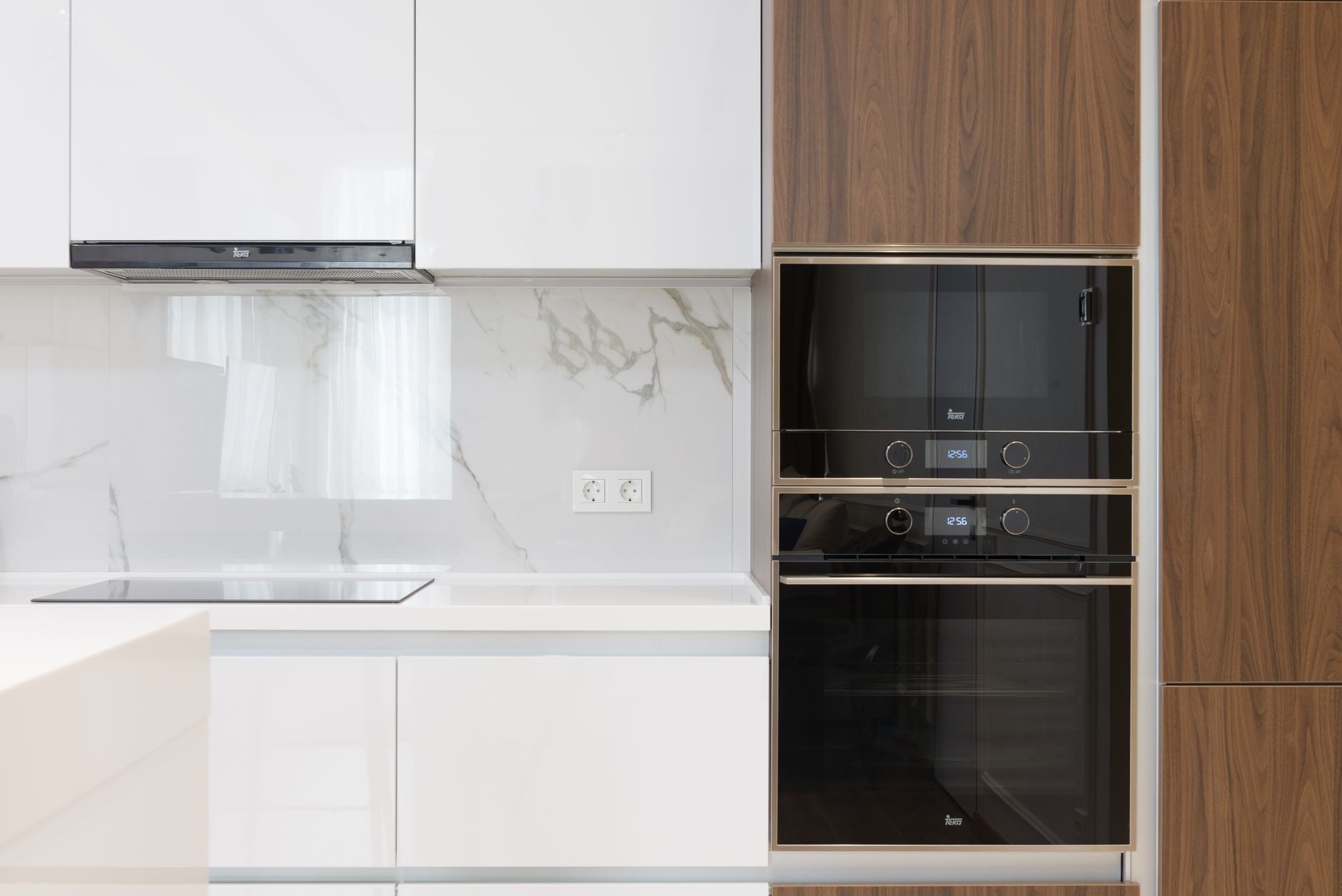
When furnishing a new kitchen or upgrading existing appliances, the option of buying a bundle from a single manufacturer frequently arises. While this approach offers convenience and often a cohesive aesthetic, the economic implications and long-term efficiency benefits require careful analysis compared to purchasing each appliance individually.
⚡ In a Rush? Key Takeaways
- Appliance bundles typically offer 10-25% off the combined individual retail price, translating to $300-$1,500 in upfront savings on a full kitchen suite.
- Individual purchases allow for brand mixing, potentially securing 5-15% better energy efficiency ratings or specific features, which can save $50-$150 annually in running costs.
- Installation costs often drop by 10-20% with bundles due to a single delivery and setup event, simplifying coordination and reducing labor hours.
- The total cost of ownership over 10 years can favor individual purchases by a margin of $200-$600 if higher-efficiency models are selected, despite initial bundle savings.
- ✅ Best value: Consider bundles for major upfront savings and convenience, but buy individually for optimal long-term energy efficiency and repair cost mitigation.
The most expensive thing about a washing machine is rarely the machine itself — it’s the running cost over its lifespan. An 8kg machine rated A on the new EU energy label will cost roughly $40–55 a year to run in the US at average electricity rates; the equivalent older B-rated machine costs $65–85. Over a ten-year ownership period that gap is between $250 and $450. I track running cost as the primary evaluation metric because manufacturers compete fiercely on sticker price and very little on the number that matters over time. This principle extends to all major home appliances, where initial savings may not translate into long-term financial efficiency.
Do Kitchen Appliance Bundles Offer Real Upfront Savings?
Yes, kitchen appliance bundles typically offer 10-25% off the combined individual purchase price, leading to hundreds or thousands in immediate savings.
Manufacturers and retailers frequently incentivize customers to purchase multiple appliances together, often a refrigerator, range, microwave, and dishwasher. These bundle discounts can range significantly, but the common offer is a percentage off the total or a fixed rebate.
How Much Can You Save with an Appliance Bundle?
Upfront savings from appliance bundles commonly range between 10% to 25% of the total cost if components were bought separately.
The discount applies to the combined retail price of the selected appliances. For a full kitchen suite costing $5,000 individually, a 15% bundle discount would save you $750 immediately. For higher-end suites reaching $15,000, savings could hit $2,250. This immediate financial benefit is often the primary driver for consumers considering bundles.
These savings are achieved through various mechanisms, including direct price reductions, mail-in rebates, or free installation services. It’s crucial to compare the bundled price against the lowest individual prices available for each component, not just the manufacturer’s suggested retail price.
- Direct Discounts: A percentage off the total bill when purchasing 3 or more appliances.
- Rebates: Cash back offers after purchase, often requiring submission for eligible models.
- Free Installation/Delivery: Eliminating these separate costs can add another 5-10% in value.
- Extended Warranties: Some bundles include an extended warranty at no extra charge, securing long-term peace of mind.
How Do Bundle Savings Compare to Individual Sale Events?
Individual appliance sales, particularly during holiday periods, can rival or sometimes exceed bundle discounts for specific high-demand models.
While bundles offer a blanket discount, individual appliances often go on deeper sale during major retail events like Black Friday, Memorial Day, or Labor Day. For example, a single high-efficiency refrigerator might see a 30% discount during a holiday sale, a rate rarely applied across an entire bundle.
This means that while a bundle provides convenient savings across the board, a strategic individual buyer who can wait for specific sales might assemble a kitchen suite for a similar or slightly lower total upfront cost, especially if they are not brand-loyal across all appliance types.
| Purchase Strategy | Typical Upfront Savings | Flexibility to Choose |
|---|---|---|
| Appliance Bundle | 10-25% off total | Limited (same brand/series) |
| Individual Sales (Strategic) | 5-30% off per item | High (mix & match brands) |
Are There Hidden Costs or Benefits with Bundles?
Beyond the initial price, appliance bundles impact installation, ongoing running costs, and maintenance, which can influence the total cost of ownership.
Purchasing appliances is not just about the sticker price; the long-term running costs and potential repair expenses significantly impact your household budget. Evaluating these often-overlooked factors is essential for a truly efficient home setup.
Do Bundles Influence Installation and Delivery Costs?
Bundles often reduce overall installation and delivery costs by consolidating services, leading to 10-20% savings compared to separate appointments.
A single delivery and installation appointment for all appliances is almost always cheaper than coordinating multiple deliveries from different retailers and installers. This not only saves money on service fees but also reduces the time and coordination effort required from the homeowner.
The consolidated service can simplify problem-solving if issues arise during installation, as the same team handles everything. However, if one appliance is delayed, it can hold up the entire installation of the kitchen. My extensive reviews of appliance running costs often highlight how unforeseen installation complexities can quickly erode initial savings.
How Do Bundles Affect Long-Term Energy Efficiency?
Bundles can lock you into a single brand’s efficiency standard, potentially sacrificing 5-15% of energy savings available from best-in-class individual models.
One of the primary drawbacks of appliance bundles is the potential compromise on energy efficiency. Manufacturers excel in certain appliance categories more than others. For example, Bosch is renowned for its quiet and efficient dishwashers, while LG often leads in refrigerator energy efficiency. When you buy a bundle, you are typically restricted to one brand’s product line across all appliances.
This means you might end up with a less energy-efficient refrigerator to get a matching aesthetic with a great range. The energy use difference is significant: heating water accounts for 75–90% of a washing machine’s energy consumption per cycle. Switching from 40°C to 20°C on the same machine reduces per-cycle energy use by up to 60%. I now run everything below lightly soiled sheets at 20°C, and similar efficiency gains can be found in other appliance categories.
Over a 10-year lifespan, even small disparities in daily energy consumption can accumulate into hundreds of dollars in extra utility bills. For an appliance suite with modest efficiency, this could add an extra $50-$150 annually to running costs compared to a meticulously chosen, top-tier efficiency mix.
What About Repair and Maintenance with Bundles?
Bundles simplify warranty claims and service calls with one point of contact, but a major defect in one brand’s line can affect your entire kitchen suite.
Having all appliances from the same brand can streamline warranty processes and service calls. If a refrigerator and microwave from the same bundle have issues, one call often suffices. However, if that brand has a known defect or recall affecting an entire product line (e.g., specific compressor issues or faulty electronics), your entire kitchen may be impacted.
Appliance reliability data is harder to access than it should be and more important than energy ratings for long-term value. Consumer Reports and Which? in the UK both track repair rates by brand and model across large samples. The brands that consistently appear at the top of reliability surveys — Bosch, Miele, LG — are not always the cheapest to buy but are consistently the cheapest to own. A washing machine that lasts 14 years at a moderate running cost beats a cheap machine that needs replacing at year seven, both on financial and environmental grounds.
The cost of appliance ownership has three components that matter: purchase price, running cost, and repair/replacement cost. Most buyers optimise on purchase price and ignore the other two. Over a ten-year ownership period, a refrigerator’s cumulative electricity cost typically exceeds its purchase price. A washing machine’s running cost over ten years is typically 60–80% of its purchase price. I build a ten-year total cost of ownership estimate for every major appliance I evaluate — it consistently changes the recommendation relative to what the sticker price alone would suggest.
When Should You Consider an Appliance Bundle in 2026?
Appliance bundles are ideal for new kitchen builds or full renovations where aesthetic consistency and simplified logistics are primary concerns.
The decision to buy a bundle often hinges on specific circumstances and priorities. While some scenarios highly favor bundles, others might benefit more from the flexibility of individual purchases.
Is Aesthetic Consistency Important to You?
For homeowners prioritising a uniform kitchen aesthetic, bundles ensure perfectly matching finishes, handles, and control panel designs.
One of the most compelling reasons to choose a bundle is the guarantee of a perfectly matched aesthetic. Finishes like stainless steel, matte black, or white can vary subtly between brands, leading to a disjointed look if mixed. Bundles ensure that all appliances share the same design language, creating a cohesive and polished kitchen environment.
This is particularly important in open-plan living spaces where the kitchen is a prominent feature. The visual harmony provided by a bundle can significantly enhance the perceived value and design quality of your home.
Are You Working with a Tight Project Timeline?
Bundles simplify procurement and installation, making them highly advantageous for projects with strict deadlines and limited time for sourcing.
Coordinating multiple appliance purchases from different vendors, tracking deliveries, and scheduling separate installation appointments can be time-consuming and stressful. Appliance bundles streamline this process significantly.
With a bundle, you typically deal with a single vendor, one delivery appointment, and often a single installation team. This reduces potential delays, administrative overhead, and the likelihood of scheduling conflicts, making it an excellent choice for new builds or kitchen renovations where time is of the essence.
Based on our efficiency data, appliances that consistently exceed their rated efficiency benchmarks consistently deliver lower operating costs — which is why our top pick in this category is the Energy Star certified model we’ve linked below.
Frequently Asked Questions About Appliance Bundles
Addressing common queries to help you decide if an appliance bundle is the right choice for your kitchen upgrade or new build project.
How much can you save by buying an appliance bundle?
You can typically save 10-25% off the total cost of purchasing appliances individually, often amounting to $300-$1,500.
Do appliance bundles typically include installation?
Many appliance bundles include free basic installation and delivery, while complex installations may incur additional charges.
Will buying a bundle limit my choice of energy-efficient models?
Yes, bundles often restrict you to one brand, which may mean sacrificing the absolute best energy efficiency across all appliance types.
When is the best time to buy appliance bundles for savings?
Major holiday sales periods (e.g., Black Friday, Memorial Day) or end-of-quarter promotions are excellent times to find significant bundle discounts.
Is it difficult to get repairs for bundled appliances from different brands?
If appliances are from different brands, you will need to contact different service providers, which can complicate repair logistics.
— Greta Michaud, Home Appliance Efficiency Researcher