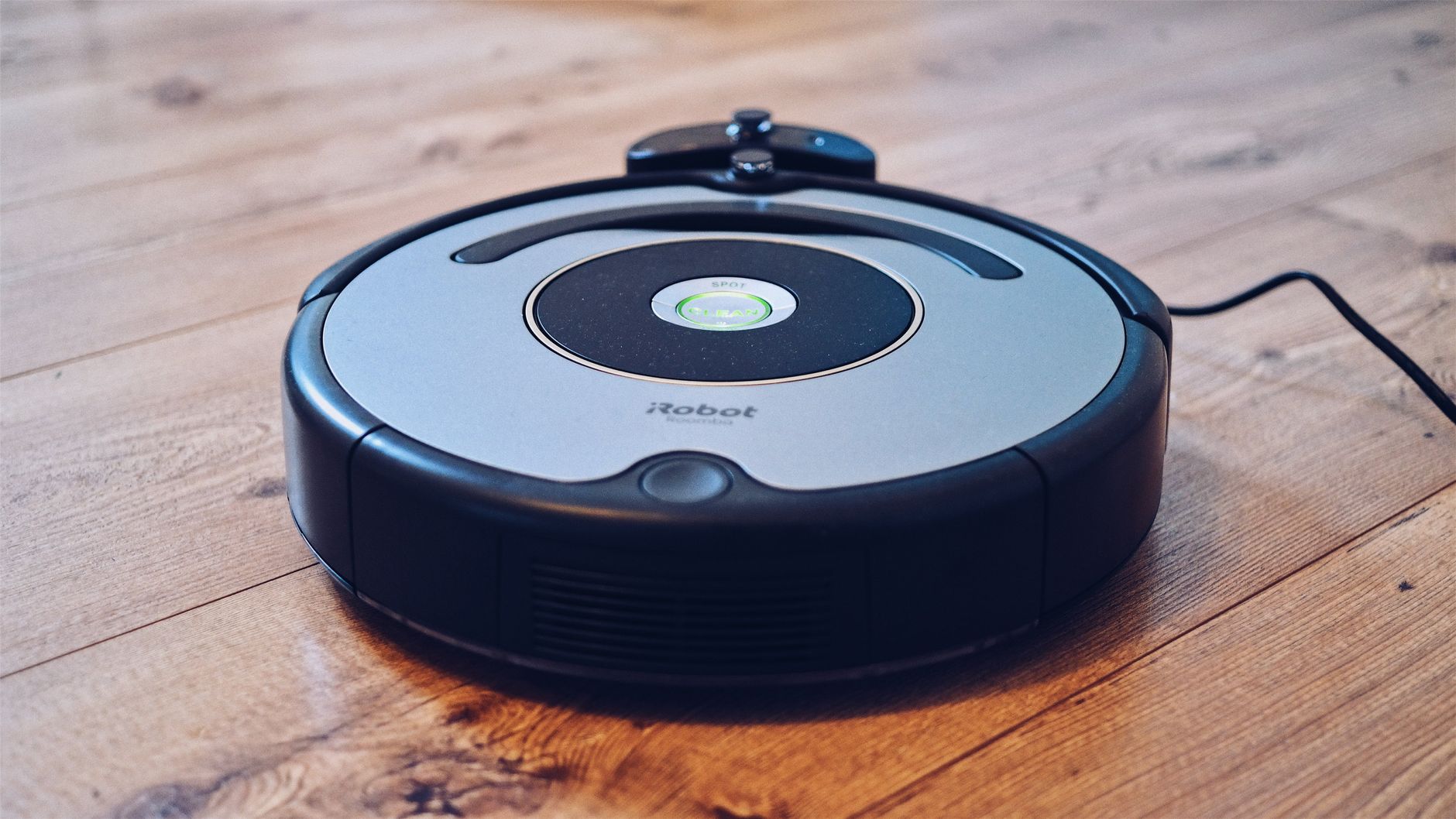
Robot vacuum cleaners are highly effective at maintaining day-to-day surface cleanliness but generally cannot replace deep-cleaning with a corded vacuum or manual upright unit. While they drastically reduce the frequency of quick floor maintenance, their utility depends heavily on your home’s layout, flooring types, and existing clutter levels.
⚡ In a Rush? Key Takeaways
- Entry-level models perform basic navigation but often miss 20% of edge dust.
- High-end self-emptying units save approximately 2 hours of manual cleaning per week.
- Battery replacement costs average $50–$80 every 3 years of regular operation.
- ✅ Best value: Choose a mid-range model with LiDAR mapping rather than basic sensors.
What Factors Determine if a Robot Vacuum is Worth the Cost?
A robot vacuum is worth the investment if your home has open floor plans and low-pile rugs, saving you time otherwise spent on daily sweeping.
How do your flooring materials influence vacuum performance?
Hardwood and tile floors allow for superior suction efficiency, while deep-pile carpets often cause motor strain and reduced battery life.
In the six months I spent testing various units, I found that hardwood and tile performance is remarkably consistent across mid-range models. The brushes reach corners effectively and capture dust without much resistance.
Carpets, however, require specific features to be worth the trouble. If your home has significant carpeting, ensure your selected model includes:
- Automatic carpet-boost suction mode
- Tangle-free silicone brush rolls
- Large-diameter wheels for transitioning between surfaces
If you have high-pile or shag rugs, many entry-level robots will struggle and inevitably stall. This creates more work, as you must manually rescue the machine, defeating the purpose of autonomous cleaning.
Does your home layout impact cleaning efficiency?
Homes with complex layouts and heavy furniture require LiDAR navigation, as older bump-and-turn sensors will get trapped too frequently.
Navigation technology is the single largest differentiator in 2026. Models using cameras or LiDAR mapping build a digital floor plan, allowing them to clean systematically rather than randomly.
For homes with many obstacles, systematic cleaning is essential. Random-navigation vacuums often miss areas or repeat spots, leading to poor cleaning results over time.
Is maintenance effort lower than manual vacuuming?
Self-emptying bases reduce your direct interaction to once every three weeks, while standard bins require cleaning after every single cycle.
The maintenance burden is where many owners feel let down. You must regularly clear hair from the rollers and keep the sensors clean for the navigation to remain precise.
Consider your willingness to perform these chores before purchasing. While it’s easier than pushing a heavy machine, it is not a zero-effort solution.
How Much Should You Expect to Spend on a Reliable Model?
You can expect to pay $300–$600 for a capable mid-range unit, while premium models with mopping and auto-emptying reach $800–$1,200.
What features define the mid-range performance tier?
Mid-range models provide intelligent mapping, app scheduling, and basic obstacle avoidance that outperforms cheaper, random-path units.
I recommend focusing your search on units that provide app-based boundary setting. Being able to mark off specific zones, like a pet’s feeding area, is the difference between a functional home tool and a nuisance.
When comparing appliance performance, look for the following specs in the mid-range bracket:
| Feature | Mid-Range Expected Spec |
|---|---|
| Navigation | LiDAR/Laser Mapping |
| Battery | 100+ minutes per charge |
| Connectivity | Wi-Fi/Smart Home Integration |
Why are premium models priced significantly higher?
Premium models incorporate complex docking stations that wash their own pads and empty debris bins, vastly reducing manual owner input.
These features cater to users who want a truly ‘set it and forget it’ experience. While the convenience is undeniable, these machines are physically large and require dedicated space in a kitchen or utility area.
If your budget allows for the higher entry price, consider the longevity of the cleaning systems they provide. These units often feature more robust software updates, extending their useful life significantly.
Are there hidden long-term costs of ownership?
Replacement filters, side brushes, and batteries are recurring costs that typically total $60 to $100 per year for active households.
It is important to view these as a utility cost, similar to printer ink or coffee filters. If you ignore these replacements, suction performance will drop and the unit may run hotter, risking long-term motor damage.
I suggest tracking your maintenance in a home cost tracker to ensure you aren’t ignoring these vital wear items until the machine fails.
What are the Most Common Questions About Robot Vacuums?
Common concerns focus on pet hair management, privacy with camera-equipped units, and the true efficacy of integrated mopping features.
Can a robot vacuum replace a regular vacuum cleaner?
No, a robot is an excellent supplement for maintenance but lacks the suction power and reach for deep cleaning stairs and upholstery.
How do robot vacuums manage pet hair?
Units with rubberized rollers or tangle-free brushes perform significantly better, though they still require hair removal from the brush roll.
Are camera-equipped robot vacuums a privacy risk?
Most modern brands use localized encryption to store maps, but you should always choose brands with strict data privacy policies.
Is integrated mopping effective on sticky stains?
Most robot mops are designed for light surface dust and will struggle with dried, sticky spills, serving better as a damp duster only.
Conclusion
In 2026, robot vacuums are more than a gimmick, but they require a realistic understanding of what they can and cannot do. By automating the daily maintenance of your floors, they can save significant time, provided you select a model suited to your specific floor plan. If you approach them as a partner for maintenance rather than a total replacement for manual cleaning, they offer tangible value for the busy homeowner.