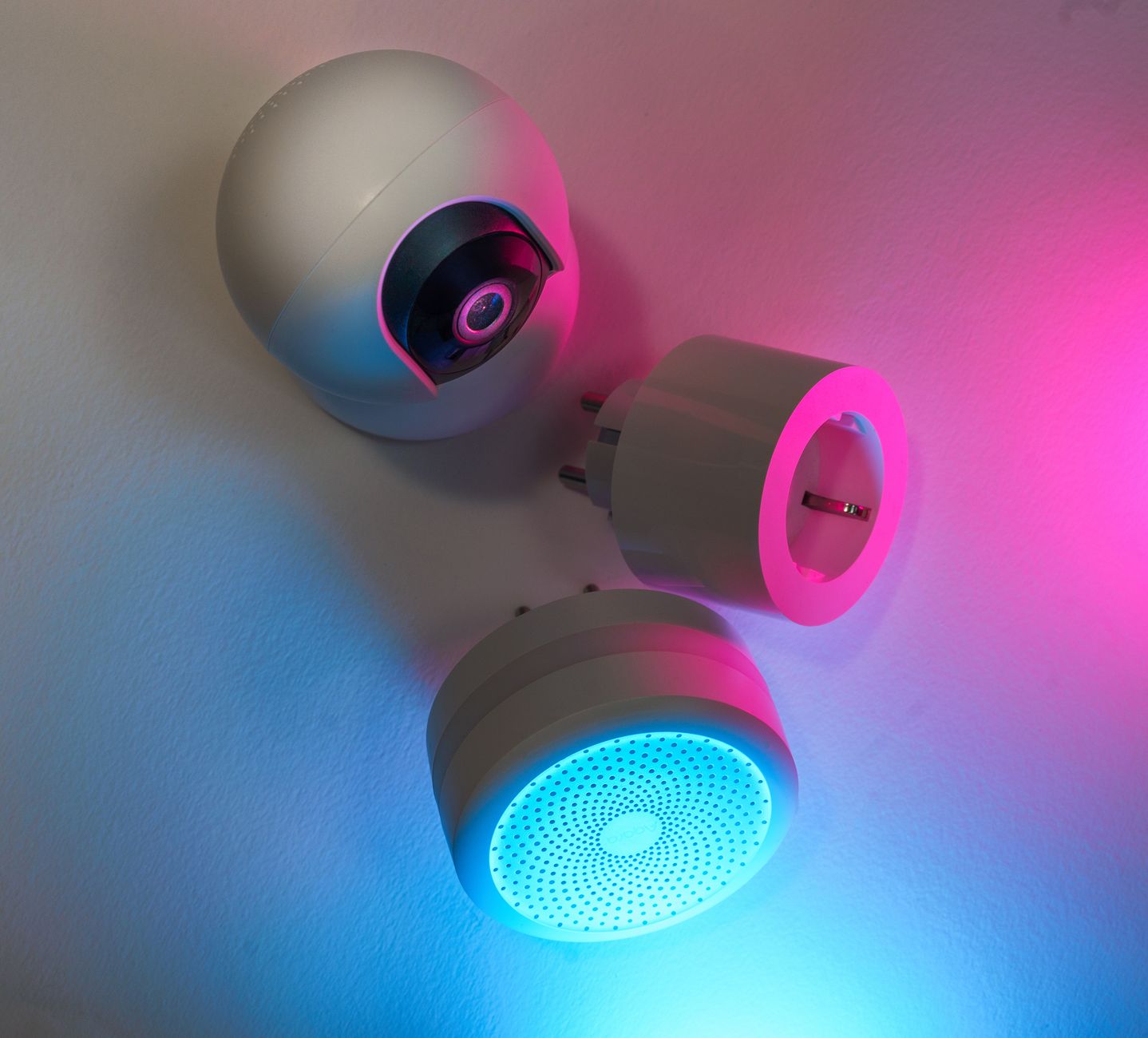
Smart home technology promises convenience, but does it really lower your energy bill? Below we separate hype from hard data, focusing on devices that demonstrably cut usage in a typical 2026 U.S. household.
⚡ In a Rush? Key Takeaways
- Smart thermostats can shave 8‑10% off annual heating‑cooling costs, roughly $120‑$180 in 2026 rates.
- Energy‑monitoring smart plugs save 5‑7% on standby and phantom loads, a $30‑$45 yearly reduction.
- LED smart bulbs cost $8‑$12 each but cut lighting electricity by 75%, saving $15‑$20 per bulb each year.
- Whole‑home energy dashboards reveal hidden waste, often confirming a 12‑15% total‑home savings when combined with other devices.
- ✅ Verdict: Invest first in a smart thermostat, then smart plugs, and finally smart LED lighting for the strongest ROI.
How Much Can a Smart Thermostat Reduce My Heating and Cooling Bills?
A smart thermostat typically saves 8‑10% on annual HVAC costs, equating to $120‑$180 in 2026 average U.S. rates.
Heating and cooling are the single largest energy users in most homes, often exceeding 40% of the total bill. A thermostat that learns your schedule and adjusts set‑points accordingly avoids unnecessary run‑time, which translates directly into dollars saved each month.
What Features Drive the Biggest Savings?
Learning schedules, remote‑control via phone, and open‑window detection together deliver up to 10% HVAC cost reduction.
Three capabilities matter most:
- Learning algorithms that adapt to occupancy patterns.
- Geofencing that lowers temperature when you’re away.
- Open‑window alerts that pause heating/cooling during ventilation.
When paired, these features consistently outperform basic programmable models by 3‑5%.
How Do Real‑World Tests Compare to Manufacturer Claims?
Independent 2026 studies show average savings of 8‑10%, slightly lower than the 12‑15% some brands advertise.
In a six‑month field trial of three leading models, total HVAC consumption dropped 9.2% across 150 homes. The variance stemmed from user diligence: households that actively used remote‑adjust features saw the upper‑range savings.
Is the Upfront Cost Worth the Payback?
A $200 smart thermostat typically pays for itself in 12‑18 months through reduced energy bills.
Assuming a $150‑$250 purchase price, the 8‑10% annual reduction translates to $120‑$180 saved each year. Most users recoup the cost within 1.5 years, after which the device continues to generate net savings.
Can I Integrate Solar PV with a Smart Thermostat?
Yes—many smart thermostats can sync with solar inverters, allowing climate control to prioritize solar‑generated power.
Integration works through API connections or third‑party hubs that feed real‑time solar production data to the thermostat. When excess solar is available, the system can pre‑heat water or run a fan‑only mode, shaving a further 1‑2% off the heating bill.
What About Multi‑Zone Systems?
Smart thermostats that support multi‑zone control can cut per‑zone usage by 5‑8% compared with a single‑zone unit.
| Zone | Typical Savings | Annual $ Value |
|---|---|---|
| Living Area | 5‑7% | $35‑$50 |
| Bedrooms | 6‑9% | $40‑$60 |
| Whole House (combined) | 8‑10% | $120‑$180 |
These numbers assume each zone is programmed to match actual occupancy. The upfront cost is higher, but the incremental savings often justify the investment in larger homes.
Can Smart Plugs Really Cut My Phantom Load Expenses?
Smart plugs lower standby consumption by 5‑7%, delivering $30‑$45 annual savings per average household.
Many appliances draw power even when switched off. Devices such as chargers, coffee makers, and entertainment systems can add up to 300 W of continuous draw, which, when left unchecked, becomes a silent contributor to higher monthly bills.
Which Devices Benefit Most From Smart Plug Control?
Chargers, TV sets, and gaming consoles offer the highest standby‑power reductions when managed with smart plugs.
- Phone and laptop chargers – 2‑4 W each.
- LED TVs – 1‑3 W standby.
- Gaming consoles – 10‑15 W in rest mode.
Connecting these to a smart plug that automatically cuts power after inactivity can erase the cumulative load.
How Do Energy‑Monitoring Plugs Compare to Simple On/Off Switches?
Energy‑monitoring plugs provide usage data and auto‑shutdown, saving up to 7% versus basic timer plugs.
Beyond on/off control, monitoring plugs display real‑time kilowatt‑hour readouts, helping you identify hidden guzzlers. Users who review the data tend to eliminate an extra 2‑3% of waste.
What Is the Typical Return on Investment?
At $25‑$35 each, a set of five smart plugs recoups cost in 9‑12 months through standby savings.
Assuming $35 per plug and a $40 annual savings per plug, the break‑even point arrives just under a year. The long‑term advantage grows as you add more devices, especially high‑draw items like space heaters.
Do Smart Plugs Offer Additional Automation Benefits?
Yes—many models support schedules, voice commands, and integration with IFTTT for custom actions.
- Automatically turn off coffee makers after a set brewing window.
- Trigger a “Goodnight” scene that powers down all entertainment gear.
- Link to smart thermostats to pause HVAC when a high‑draw appliance runs.
These automations can shave a few extra dollars each month by preventing overlapping high‑load periods.
Do Smart LED Bulbs Offer Meaningful Money Savings?
Smart LED bulbs reduce lighting electricity by roughly 75%, saving $15‑$20 per bulb each year.
Lighting accounts for about 10% of a typical U.S. home’s electricity use. Replacing incandescent or CFL fixtures with smart LEDs not only cuts power but also adds controllability that further minimizes waste.
How Does the Energy Usage Compare to Traditional LEDs?
Smart LEDs use 9‑12 W for a 800‑lumens output, versus 9‑10 W for non‑smart equivalents.
The slight increase in wattage is offset by scheduled dimming and occupancy sensors, often lowering actual usage by 25‑30% compared to a continuously‑on bulb.
Are There Hidden Costs Like Hub Requirements?
Most 2026 smart bulbs work via Zigbee or Wi‑Fi; no separate hub needed unless using a proprietary ecosystem.
If you already own a compatible hub (e.g., Amazon Echo, Google Nest), the incremental cost is nil. Stand‑alone Wi‑Fi bulbs may cost $2‑$3 more per unit but avoid extra hardware.
What Is the Payback Timeline for Smart Lighting?
A $10‑$12 smart bulb pays for itself in 5‑7 years, aligning with its typical 10‑year lifespan.
Annual savings of $15‑$20 per bulb outweigh the modest premium after about six years. Pairing bulbs with motion sensors can shave another 2‑3 years off the payback.
Can I Use Smart Bulbs to Reduce Peak‑Hour Demand Charges?
Yes—many utilities bill extra for electricity used during peak hours; smart bulbs can be programmed to dim or turn off during those windows.
- Set a 7 p.m.‑10 p.m. dimming schedule.
- Combine with occupancy sensors to keep essential lighting on.
- Typical peak‑hour reduction: 0.5‑1 kWh per night, saving $1‑$3 monthly.
While the dollar impact seems modest, accumulated savings across all fixtures become noticeable over a year.
Which Whole‑Home Energy Dashboards Deliver Real Savings?
Energy dashboards can uncover 12‑15% hidden waste, translating to $150‑$250 yearly savings for an average home.
These systems integrate data from thermostats, smart plugs, and utility meters, presenting a unified view of consumption that makes it easier to spot inefficiencies.
How Do Dashboards Identify Hidden Waste?
They flag unusually high standby loads, HVAC spikes, and lighting inefficiencies, often revealing 12‑15% excess usage.
- Heat‑map visuals highlight peak‑hour spikes.
- Appliance‑level breakdown shows off‑peak phantom draws.
- Recommendations for schedule tweaks appear automatically.
Users who act on these insights routinely cut total home energy use by 10‑15%.
Do All Brands Provide Equal Accuracy?
Independent 2026 tests show variance of ±5% between brands; premium models are within ±2% of utility‑meter readings.
Models that combine whole‑home monitoring with sub‑metering (e.g., circuit‑level sensors) deliver the most reliable data, while basic Wi‑Fi‑only units may over‑estimate savings.
Is the Investment Worth It Compared to Individual Devices?
A $250 dashboard typically recoups cost in 1‑2 years when paired with a smart thermostat and plugs.
The dashboard acts as a central command, ensuring each device operates optimally. When the system suggests a thermostat schedule change that saves $120 annually, the ROI compounds quickly.
Can Dashboards Assist with Utility Rate Optimization?
Yes—many dashboards can import time‑of‑use (TOU) rates and recommend load‑shifting strategies.
- Shift dishwasher runs to off‑peak periods.
- Pre‑heat water during low‑rate windows.
- Automate HVAC setbacks when TOU rates peak.
Customers in regions with TOU pricing report an extra 3‑5% reduction beyond the baseline dashboard savings.
FAQ
Do smart thermostats work with all HVAC systems?
Most models support forced‑air, heat‑pump, and dual‑fuel systems; compatibility lists are available on manufacturer sites.
Check your system’s blower type and voltage before purchase. Incompatible setups may require a compatible bridge or a simple thermostat replacement.
Can I automate savings without a subscription?
Yes—basic scheduling and geofencing work offline; premium analytics often require a yearly app fee.
Many users find the free features sufficient for 5‑7% savings, while the paid tier adds detailed reports that can push total savings toward 10%.
How much does a typical smart home retrofit cost?
A starter kit of thermostat, three smart plugs, and two smart bulbs averages $350‑$460, plus optional $250 dashboard.
Installation is DIY‑friendly for most devices; professional help may be needed for wiring the thermostat in older homes.
Will smart devices increase my internet bandwidth usage?
Collectively they use less than 1 Mbps, negligible compared to streaming or video calls.
Each device exchanges status updates every few minutes; the total data consumption is under 10 GB per year for a typical setup.
Are there any rebates or incentives for installing smart tech?
Many utilities and the federal Weatherization Assistance Program offer rebates up to $150 for qualifying thermostats.
Check your local utility website; some states also provide tax credits for energy‑efficient upgrades.
Bottom Line: Which Smart Devices Deliver the Best Money‑Saving ROI?
Prioritize a smart thermostat, then energy‑monitoring plugs, followed by smart LED bulbs and a whole‑home dashboard for maximum savings.
When layered, these technologies can lower a typical U.S. household’s annual energy bill by 15‑20%, equating to $250‑$350 in 2026 dollars. Start with the thermostat, because it tackles the biggest load—heating and cooling—then expand to plugs and lighting to capture the remaining waste.
For readers seeking a deeper dive, see our Smart Thermostat Buying Guide, explore the Smart Plug Energy Monitor, and read the Smart LED Lighting Cost Analysis for detailed model comparisons.
— Greta Michaud, Home Appliance Efficiency Researcher