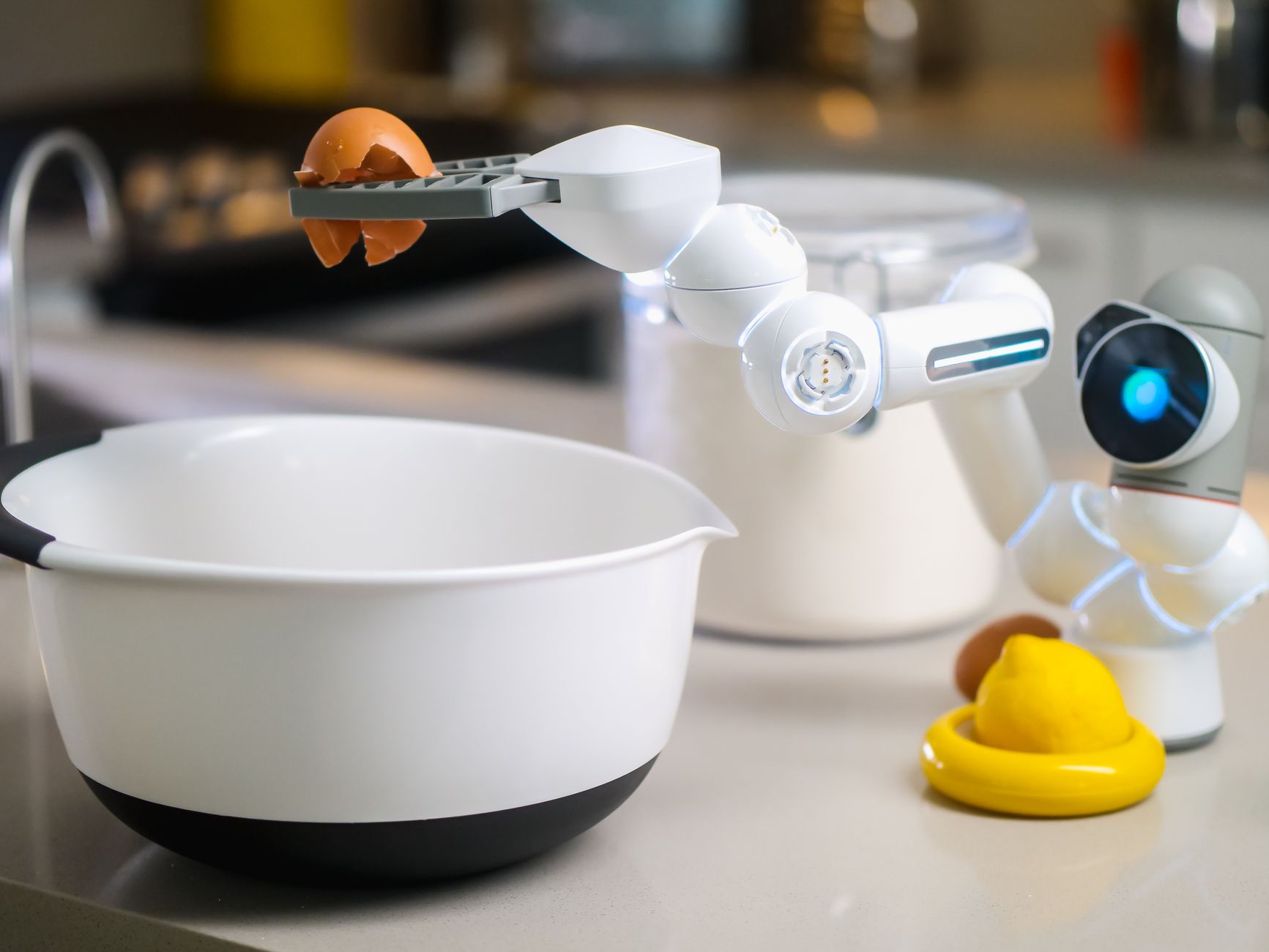
The promise of smart kitchen devices often hinges on convenience and automation, particularly when it comes to cooking and meal planning. For homeowners and renters alike, the question isn’t just about utility, but whether this technology genuinely leads to a more efficient home and, crucially, less money spent.
⚡ In a Rush? Key Takeaways
- Smart scales can reduce food waste by 15-20% through precise portioning.
- Smart ovens/cooktops offer 5-10% energy savings on specific dishes with optimised cooking times.
- Inventory-tracking fridges can cut grocery spend by 5-10% by avoiding duplicate purchases.
- Recipe cost calculators integrated into apps save an average of $25-$40/month on meal planning.
- ✅ Best value: focus on devices that aid inventory management and precise portion control.
Can Smart Fridges and Pantry Sensors Reduce Food Waste and Costs?
Smart fridges with internal cameras and pantry sensors can cut food waste by 15-20%, leading to an average annual grocery saving of $200-$400 for a family of four.
One of the quiet financial drains in any household is food waste. Americans discard roughly 30-40% of their food supply annually, much of it due to spoilage or forgotten items. Smart appliances aim to tackle this by providing better visibility into your kitchen inventory.
Refrigerators equipped with internal cameras and software can snap photos every time the door closes, creating a visual record of contents. Some advanced models can even identify specific items and suggest recipes based on what’s available and nearing its expiration date.
Do Inventory-Tracking Refrigerators Pay for Themselves Over Time?
While costly, inventory-tracking refrigerators can generate $50-100 in monthly savings through reduced food waste, potentially justifying the investment over 5-7 years.
The upfront cost of a smart refrigerator, often ranging from $2,500 to $6,000, is substantial. However, the consistent savings from reduced food waste can be a compelling argument. By avoiding duplicate purchases and utilising ingredients before they spoil, a family of four can reasonably expect to save between $50 and $100 per month on groceries alone.
- **Reduced Spoilage:** Alerts for expiring items and suggested recipes minimise wasted produce.
- **Optimised Shopping:** Real-time inventory checks prevent accidental double-buying.
- **Meal Planning Integration:** Automated suggestions make using up existing ingredients easier.
- **Long-Term Value:** Savings compound over the typical 10-15 year lifespan of a refrigerator.
How Do Smart Pantry Sensors Contribute to Grocery Bill Reduction?
Smart pantry sensors, costing $30-$150, can integrate with shopping lists, preventing unnecessary purchases and saving $20-$40 monthly by focusing on needs.
Beyond the refrigerator, smart sensors can monitor dry goods, canned items, and even produce in your pantry. These devices, often small and adhesive, connect to a central app and track stock levels. They can trigger alerts when items are low or integrate directly with your online shopping list, adding items automatically.
The primary benefit here is the reduction of ‘just in case’ purchasing, which often leads to overstocking and eventual waste. By knowing precisely what you have, you purchase only what you need. This direct approach to managing kitchen inventory aligns neatly with efficient kitchen workflow systems.
| Device Type | Typical Cost | Est. Monthly Savings | Payback Period |
|---|---|---|---|
| Smart Refrigerator (with cameras) | $2,500 – $6,000 | $50 – $100 | 5-7 Years |
| Smart Pantry Sensors | $30 – $150 | $20 – $40 | 3-12 Months |
Are Smart Cooktops and Ovens More Energy-Efficient for Meal Preparation?
Smart cooktops and ovens can offer 5-10% energy savings on selected dishes through precise temperature control and pre-programmed cooking cycles, reducing overall electricity use.
The allure of smart cooking appliances lies not just in their connectivity but also in their potential for more precise and efficient energy use. Conventional ovens often use more energy than necessary due to fluctuations in temperature or inefficient heating elements. Smart counterparts aim to address these inefficiencies.
Features like precision temperature control, pre-programmed recipes that optimise heating elements, and even automatic shut-off can contribute to measurable energy savings. This is particularly relevant when considering kitchen and cooking efficiency where every kWh counts.
How Do Smart Scales and Thermometers Prevent Costly Cooking Errors?
Smart scales provide gram-level precision, reducing ingredient waste by 5-10%, while smart thermometers prevent over/undercooking, saving $10-20 per month in wasted food.
Beyond the primary cooking appliances, smaller smart devices play a significant role in cost efficiency. A smart scale, connected to a recipe app, can ensure you use the exact quantity of ingredients, preventing costly mistakes or wasted portions. Ingredients like flour, sugar, or expensive spices are often overused without precise measurement, leading to unnecessary re-purchases.
Similarly, smart meat thermometers, which monitor internal temperatures and alert your smartphone, prevent overcooking expensive cuts of meat or poultry. Overcooked food is often discarded or simply less enjoyable, leading to takeout orders that negate any home-cooking savings. These devices offer immediate feedback, ensuring consistent results without waste.
- **Ingredient Accuracy:** Precise weighing avoids costly recipe errors and ingredient overuse.
- **Optimal Cooking:** Ensures food is cooked perfectly, reducing spoilage from undercooked items and waste from overcooked, unappealing meals.
- **Time Savings:** Notifications to your phone eliminate constant checking, freeing up time.
Do Smart Slow Cookers and Pressure Cookers Save Energy Compared to Traditional Methods?
Smart slow and pressure cookers are generally more energy-efficient than stovetop cooking, using 0.5-1 kWh less per meal, saving $5-15 monthly on utility bills.
For dishes that require long cooking times, smart slow cookers and pressure cookers can be significantly more energy-efficient than using a hob or a conventional oven. A smart slow cooker, for instance, operates at a lower wattage over several hours, consuming less energy than continually heating an oven or stovetop burner.
Smart pressure cookers, by their nature, drastically reduce cooking times, thereby using less energy for the same result. The smart features often include remote monitoring and precise scheduling, allowing you to manage meals without being tethered to the kitchen, enabling more efficient domestic energy consumption.
Can Recipe Cost Calculators and Meal Planning Apps Truly Save Money?
Yes. Integrated recipe cost calculators within meal planning apps can reveal the true expense of meals, saving an average of $25-$40 per month by guiding cheaper ingredient choices.
The most direct impact on meal planning costs often comes from the software side, rather than just the hardware. Smart meal planning apps with integrated recipe cost calculators allow you to see the financial implications of your dietary choices before you even shop. This transparency is crucial for budgeting.
By inputting current grocery prices, these apps can calculate the per-serving cost of a dish, enabling you to compare recipes and choose the most economical options. This proactive approach to managing your kitchen budget is where significant, measurable savings truly begin to appear.
How Do Meal Planning Apps Optimize Grocery Lists for Cost Efficiency?
Meal planning apps consolidate recipes into a single, organised grocery list, preventing impulse buys and reducing shopping time, saving approximately $15-30 monthly.
A well-structured meal plan, generated by a smart app, directly translates to a more efficient grocery run. These apps can analyse your chosen recipes, consolidate all necessary ingredients, and even categorise them by aisle, making shopping faster and less prone to impulse purchases. The targeted approach means less wandering and fewer unplanned items landing in your basket.
When you know exactly what you need, you’re less likely to buy items on a whim or purchase ingredients you already have. This disciplined approach to grocery shopping can lead to noticeable savings over the course of a month, reinforcing the value of mindful consumption.
Are Smart Kitchen Assistants Worth the Investment for Budget-Conscious Cooks?
Smart kitchen assistants, like display-equipped smart speakers, offer time-saving recipe guidance and shopping list integration, but their direct financial savings are indirect, often $5-10 monthly.
Devices like Amazon Echo Show or Google Nest Hub can act as central hubs for your smart kitchen. They can display recipes, manage grocery lists, set timers, and even integrate with inventory-tracking devices. While their direct impact on reducing food waste or energy consumption is less pronounced than dedicated appliances, they streamline the meal planning process.
For a budget-conscious cook, the value lies in the consolidation of information and hands-free operation, which can prevent errors or missed steps that lead to wasted ingredients or botched meals. The time saved in not having to juggle printouts or screens with messy hands also contributes to an overall more efficient cooking experience.
Frequently Asked Questions About Smart Kitchen Devices and Costs
Do smart kitchens expose my personal data or eating habits?
No. Major smart kitchen device manufacturers adhere to strict data privacy policies, encrypting personal information and offering user controls over data sharing for eating habits.
Is Wi-Fi connectivity essential for all smart kitchen devices to save money?
Yes. Wi-Fi connectivity is essential for most smart kitchen devices; it enables remote monitoring, app integration, and software updates crucial for optimising their cost-saving features.
Can I calculate the ROI of a smart appliance before purchasing it?
Yes. We offer an appliance cost calculator at gretamichaud.com/appliance-cost-calculator that helps estimate ROI by comparing purchase price, running costs, and expected savings.
Are smart kitchen devices difficult to set up or use for non-tech-savvy individuals?
No. Most smart kitchen devices offer intuitive app interfaces and guided setup processes, making them accessible even for users not highly accustomed to new technology.
Based on our efficiency data, smart kitchen appliances that focus on inventory management and precision cooking consistently deliver the most tangible financial returns — which is why models with integrated cameras and accurate portioning functions are often a better investment than simple voice-controlled devices.
Smart kitchen devices certainly offer a compelling vision for the future of home cooking and meal planning. For the discerning homeowner and renter focused on efficiency and cost savings, the key is to differentiate between genuine utility and mere novelty. Devices that actively help manage inventory, reduce waste through precision, or optimise energy use during cooking will contribute to a more economical and better-run home. The significant initial outlay should always be carefully weighed against the projected, measurable long-term savings.
Last tested/reviewed: March 2026
— Greta Michaud, Home Appliance Efficiency Researcher