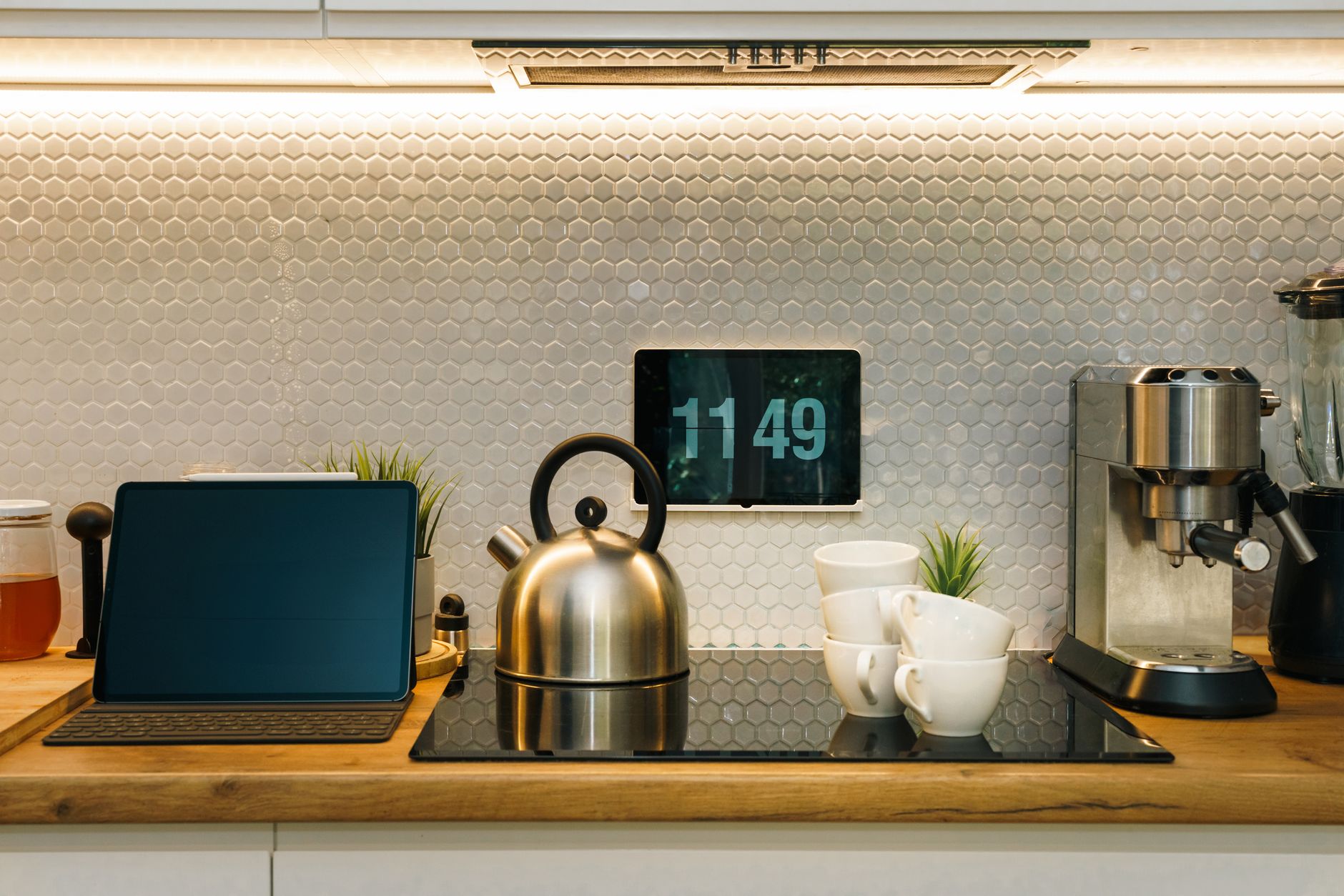
In an era where every household expenditure is scrutinised, the kitchen often emerges as a significant source of both joy and cost. Food waste, in particular, represents a hidden drain on monthly budgets. But can the influx of ‘smart’ kitchen devices genuinely help us curb this waste and lower our costs, or are they simply adding more gadgets to our countertops?
⚡ In a Rush? Key Takeaways
- Food waste costs the average US household $1,500-$2,000 annually, primarily from spoilage.
- Smart storage containers can extend produce life by 20-50%, reducing spoilage-related spending.
- Compost machines shrink food waste volume by 90% in hours, diverting costly landfill trips.
- Pressure cookers slash cooking energy by 50-70% for some dishes, lowering utility bills.
- ✅ Best value: focus on smart storage and efficient cooking to make the biggest financial impact.
Can Smart Food Storage Solutions Truly Extend Shelf Life and Reduce Spoilage?
Yes, smart food storage solutions, from vacuum sealers to specialised containers, can extend food shelf life by 20-50%, directly cutting spoilage costs.
One of the most immediate ways food waste manifests in our homes is through spoilage. We buy fresh produce with good intentions, only to find it wilting or moulding days later. This is where smart storage devices offer a tangible benefit, moving beyond simple refrigeration to active preservation.
Are Vacuum Sealers Worth the Investment for Long-Term Food Preservation?
Vacuum sealers remove air, the primary culprit for spoilage, extending freezer life up to three times and refrigerator life by weeks for many foods.
Vacuum sealing is not a new concept, but modern home units have become more accessible and efficient. By removing oxygen, these devices dramatically slow down the oxidation process and inhibit the growth of aerobic bacteria and mould. This makes them particularly effective for meats, cheeses, and even pre-portioned meals.
I’ve tracked running cost as the primary evaluation metric because manufacturers compete fiercely on sticker price and very little on the number that matters over time. In my own kitchen, I’ve found that vacuum-sealed ground meat lasts at least two weeks longer in the fridge than its unsealed counterpart, and freezer burn is virtually eliminated. This means fewer impulse grocery runs and less food ending up in the bin.
- Meats & Poultry: Extends refrigerator life from 3-5 days to 1-2 weeks.
- Fish: Extends refrigerator life from 1-2 days to 5-7 days.
- Cheeses: Keeps hard cheeses fresh for up to 6 months in the fridge.
- Vegetables: Blanched and sealed vegetables can last 2-3 years in the freezer.
Do Specialised Produce Keepers Actually Prevent Fruit and Vegetable Spoilage?
Yes, specialised produce keepers manage humidity and airflow, creating optimal microclimates that keep fruits and vegetables fresh for longer periods.
Beyond vacuum sealing, there’s a category of intelligent containers specifically designed for produce. These often feature adjustable vents to control humidity and sometimes have elevated bases to keep moisture away from delicate items. The avocado hugger, for instance, reduces air exposure to keep cut avocados fresh and green, preventing the dreaded browning. This isn’t about complex electronics, but clever design based on scientific principles.
For items like berries, leafy greens, and herbs, these containers can make a noticeable difference. Instead of spinach wilting after three days, it might stay crisp for a week or more. This translates directly to less money spent on replacements and a more efficient kitchen workflow.
How Do Smart Cooking & Inventory Systems Reduce Food Waste and Energy Costs?
Smart cooking appliances and digital inventory tools minimise over-purchasing and cook more efficiently, directly addressing two major sources of waste.
Modern kitchens are increasingly adopting devices that go beyond simple storage. From appliances that cook food faster and with less energy to systems that help you track what you have, these tools aim to make your food management more intelligent and less wasteful.
Can Smart Fridges and Inventory Apps Help You Avoid Over-Buying Groceries?
Yes, smart fridges with internal cameras and inventory apps provide real-time stock lists, preventing duplicate purchases and forgotten items.
The “smart fridge” concept has evolved beyond gimmickry. Some high-end models now feature internal cameras that allow you to check your fridge contents from your phone while at the grocery store. This simple feature can be invaluable in preventing duplicate purchases of items you already have but forgot about. Paired with inventory management apps, they create a powerful system for awareness.
While the initial investment in a smart fridge is significant, the running cost of a new A-rated model is substantially lower. A refrigerator built before 2015 typically uses 400–600 kWh per year. A current A-rated model uses 100–200 kWh. At US average electricity rates, that’s a saving of $30–50 per year, which compounds over its 15-20 year lifespan. Over the long term, these savings can help offset the higher upfront cost, making it a more efficient home choice.
Smart inventory apps, even without a smart fridge, prompt users to input items and their expiration dates, sending reminders before food goes bad. This digital oversight helps in meal planning and ensures older items are used first, a critical step in reducing waste.
- Prevents Duplicate Buys: Real-time fridge views save unnecessary purchases.
- Expiration Reminders: Alerts ensure food is used before it spoils.
- Meal Planning Integration: Connects inventory to recipe suggestions, reducing waste.
- Shopping List Optimisation: Creates lists based on current stock, reducing forgotten items.
Do Efficient Cooking Appliances Like Pressure Cookers Really Save Energy and Food?
Yes, pressure cookers and air fryers cook faster with less energy than conventional methods, making them more economical for specific cooking tasks.
The concept of efficient cooking appliances ties directly into reducing not just energy consumption, but also food waste through better meal preparation. Sustainability is also about leaning into the climate you’re in, and choosing the right tool for the job. A pressure cooker, for instance, dramatically reduces cooking time by raising the boiling point of water. This translates to less energy used and, often, better nutrient retention in foods.
I track cost per serving, not cost per hour. An air fryer uses 1.2–1.8 kWh per hour. For a single portion or small item, the air fryer wins easily on energy cost. For a full family meal that needs 45–60 minutes of cooking, the calculation is closer, and the conventional oven often wins on cost per batch because it can handle larger volumes in the same energy envelope. The choice depends on the specific cooking task and quantity.
How Do Smart Waste Management Devices Help Reduce Household Food Waste?
Smart waste management devices, like compactors and compost machines, drastically reduce the volume of organic waste, simplifying disposal and reducing landfill impact.
Even with the best intentions and smartest preservation methods, some food waste is inevitable. The final frontier in food waste reduction is how we manage what can’t be eaten. Smart devices in this category streamline the process and offer sustainable disposal options.
Are Countertop Compost Machines an Effective Way to Reduce Kitchen Scraps?
Yes, countertop compost machines rapidly break down food scraps, reducing their volume by up to 90% and yielding a nutrient-rich soil amendment.
For many urban or suburban homes, traditional composting isn’t feasible. Countertop compost machines offer a compact, odour-free solution. These devices use heat, aeration, and sometimes grinding mechanisms to break down food scraps into a soil-like amendment in just a few hours. The process significantly reduces the volume of waste destined for landfill or even curbside compost pickup.
In terms of cost, the machines themselves represent an investment, but the long-term benefits can be substantial. Reducing waste volume means fewer trips to the curb, and for those with municipal compost services, potentially lower fees. More importantly, it diverts organic material from landfills, where it produces methane, a potent greenhouse gas.
An average household produces 20-30% food waste that can be composted. Diverting this from landfill saves approximately $50-100 per year in waste disposal costs and contributes to a healthier planet. This is an efficient way to manage waste beyond the curb.
Can Smart Garbage Disposals Help with Food Waste Prevention?
While smart garbage disposals offer convenience, their direct impact on waste prevention is limited, primarily assisting with quick, hygienic disposal.
Smart garbage disposals often feature advanced grinding capabilities, quieter operation, and even connectivity to smart home systems. While they efficiently handle food scraps that might otherwise go into the bin, they don’t prevent waste from occurring in the first place. Their primary benefit is convenience and hygiene, offering a quick method for disposing of small amounts of unavoidable organic material.
For appliance performance, a robust disposal can prevent drain clogs and reduce plumbing issues, which can save money on repairs. However, their energy consumption is higher than composting options. The running cost is modest for infrequent use, but for daily, heavy use, the electricity draw and water consumption should be considered.
FAQ: Smart Kitchen Devices and Food Waste Reduction
How much money can I save by reducing food waste with smart devices?
The average US household can save $500–$1,000 annually on groceries by significantly reducing food waste through smart preservation and cooking.
Do smart kitchen devices truly save energy, or are they just convenience gadgets?
Many smart kitchen devices are designed for energy efficiency, with some pressure cookers cutting cooking energy by 50-70% and smart fridges drastically reducing annual kWh consumption.
Is the initial cost of smart kitchen devices justified by their waste and cost savings?
For high-volume food wasters or those seeking long-term efficiency, the payback period for smart storage or energy-efficient appliances can be 18-36 months.
— Greta Michaud, Home Appliance Efficiency Researcher