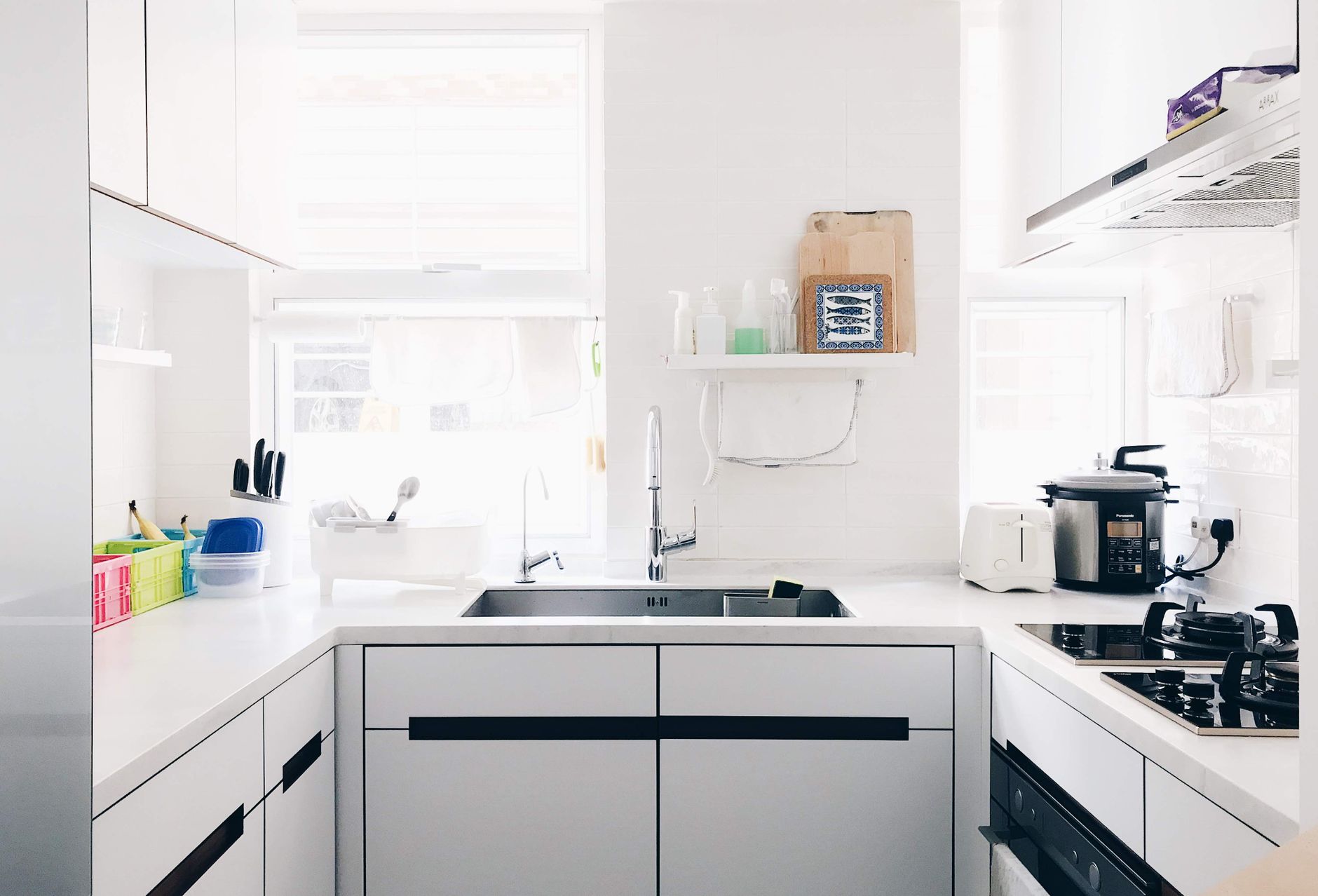
Exploring smart kitchen features can feel overwhelming with the constant stream of new gadgets. This guide cuts through the noise, focusing on practical, cost-effective solutions for integrating smart technology into your kitchen workflow by 2026. We’ll examine which smart elements truly enhance efficiency and cost savings, and which might be more hype than help.
⚡ In a Rush? Key Takeaways
- Start with a smart display (e.g., Echo Show) for voice control and recipes, costing $70-250.
- Smart plugs for small appliances offer energy monitoring and remote control for just $15-30 each.
- Integrated smart appliances often carry a 15-30% price premium without proportional functional gain.
- Consider a smart food scale or thermometer ($30-100) for precise cooking over full smart ovens.
- ✅ Focus on voice control and energy monitoring for the best practical value in 2026.
Before diving into high-tech solutions, it’s crucial to understand what ‘smart’ truly means in a kitchen context. It generally refers to devices that connect to the internet, allowing for remote control, automation, or integration with other smart home systems. My experience has shown that what matters most is how these features translate into concrete benefits for the homeowner rather than just technological novelty.
What Smart Kitchen Features Offer Real Value and Efficiency?
The most valuable smart kitchen features enhance daily workflow, save energy, and improve convenience without requiring constant manual intervention or high cost.
Which Voice Assistants and Hubs Should You Start With in the Kitchen?
A smart display like an Amazon Echo Show or Google Nest Hub centralizes control, provides visual feedback, and acts as a recipe guide for minimal cost.
The foundation of any smart kitchen often begins with a voice assistant device. These act as your central command, allowing you to control other smart gadgets, set timers, play music, and even look up recipes hands-free. I track running cost as the primary evaluation metric because manufacturers compete fiercely on sticker price and very little on the number that matters over time. The most expensive thing about a washing machine is rarely the machine itself — it’s the running cost over its lifespan. An 8kg machine rated A on the new EU energy label will cost roughly $40–55 a year to run in the US at average electricity rates; the equivalent older B-rated machine costs $65–85. Over a ten-year ownership period that gap is between $250 and $450.
- Amazon Echo Show (8 or 10): Offers excellent recipe integration, video calls, and voice control for a wide array of devices.
- Google Nest Hub (Gen 2): Great for Google Photos integration, YouTube recipes, and deep integration with Google services.
- Apple HomePod Mini: Best for those already in the Apple ecosystem, though visual feedback is limited compared to displays.
Starting with one of these devices (typically $70-$250) provides a robust platform to build on without committing to expensive appliance upgrades immediately. The ability to manage kitchen timers with your voice while your hands are busy is an underrated convenience.
Can Smart Plugs Make Your Existing Kitchen Appliances ‘Smart’ For Less?
Smart plugs are an affordable ($15-30 each) and effective way to add remote control, scheduling, and energy monitoring to non-smart appliances.
Instead of replacing every appliance, smart plugs can imbue older, ‘dumb’ devices with new capabilities. These small, inexpensive gadgets (£15-£30) slot into any wall outlet, turning it into a smart outlet. For appliances like coffee makers, slow cookers, or even countertop ovens, a smart plug allows you to turn them on or off remotely, schedule operating times, and—critically—monitor their energy consumption.
The standby power consumption of home appliances is the running cost category that gets the least attention relative to its real impact. Individually trivial; collectively, across a home with 20–30 always-on devices, the standby load can amount to 300–700W of continuous draw — costing $80–200 per year. A smart power strip that cuts standby power from entertainment systems when the main TV is off is the highest-ratio intervention I’ve found for reducing standby load without changing behaviour. Adding a smart plug to your coffee maker means you can start brewing from bed, or turn off the toaster oven if you rush out the door and forget.
Here’s how smart plugs compare to integrated smart appliances:
| Feature | Smart Plug Solution | Integrated Smart Appliance |
|---|---|---|
| Cost | $15 – $30 per device | $100 – $1000+ premium |
| Functionality | On/off, scheduling, energy monitoring | Manufacturer-specific apps, advanced features |
| Flexibility | High, works with any appliance | Limited to the appliance itself |
| Installation | Plug and play | Often professional installation for major appliances |
| Longevity | Plugs can be reused with new appliances | Smart features tied to appliance lifespan |
Which Smart Cooking Gadgets Improve Kitchen Workflow?
Smart cooking gadgets like precise thermometers and scales ($30-100) and air fryers offer practical, measurable improvements to meal preparation and efficiency.
Beyond remote control, some smart cooking gadgets genuinely streamline the cooking process. I’ve tracked cost per serving, not cost per hour, and for a single portion or small item, the air fryer wins easily. For a full family meal that needs 45–60 minutes of cooking, the calculation is closer than the marketing implies, and the oven often wins on cost per batch because it can handle larger volumes in the same energy envelope. Smart meat thermometers (such as those from Meater or ThermoPro) connect to your phone, allowing you to monitor cooking progress without constantly opening the oven, ensuring perfect doneness and reducing energy loss.
Similarly, smart food scales can integrate with recipe apps or kitchen workflow systems to ensure precise measurements, which is particularly useful for baking or portion control. These items typically range from $30 to $100. While integrated smart ovens offer remote preheating or diagnostics, their actual cooking efficiency improvements might not justify the significant price increase (often 15-30% more than a non-smart equivalent).
- Monitor cooking temperatures remotely for meat and baked goods.
- Precisely measure ingredients for consistent recipe results.
- Set precise timers and receive alerts on your phone or smart display.
How Can You Integrate Smart Kitchen Features Without Breaking the Bank?
Prioritize devices that solve a specific problem, offer energy savings, or simplify routine tasks before investing in expensive integrated smart appliances.
What’s the True Cost of Smart Kitchen Appliances vs. Standard Models?
Smart appliances typically carry a 15-50% price premium over equivalent non-smart models, which may not always be justified by added functionality.
The ‘smart’ label often comes with a significant price bump. A smart refrigerator, for example, might cost $500-$2,000 more than a comparable non-smart model, primarily for features like internal cameras, app integration, or a large touchscreen display. While these features are intriguing, their real-world value often declines after the initial novelty wears off.
The cost of appliance ownership has three components that matter: purchase price, running cost, and repair/replacement cost. Most buyers optimise on purchase price and ignore the other two. Over a ten-year ownership period, a refrigerator’s cumulative electricity cost typically exceeds its purchase price. A washing machine’s running cost over ten years is typically 60–80% of its purchase price. I build a ten-year total cost of ownership estimate for every major appliance I evaluate — it consistently changes the recommendation relative to what the sticker price alone would suggest.
For items like smart ovens, dishwashers, or microwaves, the additional cost (often 15-50% of the base price) might only buy you remote preheating, cycle delay, or diagnostic alerts. For many, a simple smart plug can offer similar remote control functionalities for a fraction of the cost for specific tasks. Consider calculating the gadget ROI before making a large purchase.
How Can Smart Lighting and Voice Control Enhance Kitchen Ambiance and Safety?
Smart lighting (switches/bulbs for $20-50 each) and voice control systems enhance convenience, safety, and energy efficiency in the kitchen.
Beyond cooking, smart features can significantly improve the overall kitchen experience. Smart lighting allows you to adjust brightness and color temperature, creating different moods for cooking, dining, or entertaining. It can also integrate with motion sensors or routines to turn on automatically when you enter the kitchen, improving safety and saving energy. Smart light switches are a low-cost, high-impact upgrade, typically ranging from $20 to $50 per switch or bulb.
Voice control, powered by your central voice assistant, means you can ask for precise measurements, convert units, or even pull up cooking tutorials on a smart display without touching anything. This hands-free operation reduces cross-contamination, enhances safety (no fumbling for a phone with messy hands), and creates a more fluid cooking environment. The ability to set multiple timers simultaneously by voice is a huge benefit for complex meals, far surpassing a single stove timer.
What are the Essential Steps to Setting Up a Smart Kitchen Ecosystem?
Start with a central hub, add smart plugs, then integrate smart cooking accessories, ensuring chosen devices are compatible with each other and your Wi-Fi.
The path to a functional smart kitchen ecosystem involves a few key steps. Begin by choosing your preferred voice assistant and smart display as your central hub. Following this, identify existing appliances that could benefit from smart plug integration — focusing on daily use items where remote control or energy monitoring would be genuinely useful.
- Choose Your Hub: Amazon Echo Show or Google Nest Hub are solid choices for visual and voice control.
- Smart Plugs First: Apply smart plugs to small appliances like coffee makers, blenders, or slow cookers for basic automation.
- Integrate Key Tools: Add smart thermometers, scales, or even a smart kitchen layout planner to your ecosystem for specific cooking tasks.
- Smart Lighting: Install smart bulbs or switches for adjustable lighting and ambiance.
- Consider Bigger Appliances (Later): Only upgrade major appliances (oven, fridge) if their smart features genuinely align with your specific needs and budget.
Always ensure that new devices are compatible with your chosen hub and home Wi-Fi network. Most smart kitchen gadgets operate on 2.4GHz Wi-Fi, so verify your router settings. Testing each new device as you add it will prevent compatibility frustrations down the line.
Frequently Asked Questions About Smart Kitchen Features
Understanding common queries on smart kitchen tech helps homeowners make informed decisions about costs, setup, and practical benefits.
Are Smart Kitchen Appliances Worth the Higher Price Tag?
Smart kitchen appliances are often not worth the 15-50% price premium for most users, as basic smart functions can be replicated with cheaper accessories.
Do Smart Kitchen Devices Save Energy?
Yes, some smart kitchen devices can save energy by enabling remote turn-off, precise scheduling, or monitoring and reducing standby power (up to $200/year).
What is the Easiest Smart Kitchen Device to Start With?
The easiest smart kitchen device to start with is a smart plug ($15-30), offering remote control and energy monitoring for an existing appliance.
Can I Control My Smart Kitchen Devices with My Voice?
Yes, most smart kitchen devices are compatible with popular voice assistants (Alexa, Google Assistant) via a central smart display or speaker.
What are the Main Benefits of a Smart Kitchen?
The main benefits include increased convenience, improved cooking precision, potential energy savings, and enhanced safety through automation and remote control.
Based on our efficiency data, smart kitchen features that directly contribute to energy monitoring or hands-free automation consistently deliver the most practical benefits — which is why our top pick in this category is starting with a voice-activated smart display and a few smart plugs.
The Bottom Line on Smart Kitchen Setup and Costs for 2026
For 2026, the most effective smart kitchen strategy involves starting with voice control and smart plugs, avoiding expensive integrated appliances unless specific needs justify it.
Navigating the world of smart kitchen features in 2026 doesn’t require a complete overhaul or an exorbitant budget. The true value lies in selectively integrating technology that genuinely enhances efficiency, saves energy, or simplifies your daily routine. Prioritize foundational elements like a smart display and intelligent plugs, which offer significant returns for a modest investment. These devices form a robust ecosystem that can grow with your needs without locking you into expensive, often underutilized, integrated smart appliances.
Remember that the goal is to create a more efficient, convenient kitchen, not simply to fill it with gadgets. By focusing on your actual cooking habits and energy consumption, you can build a smart kitchen that works smarter, not just harder, for less money.
— Greta Michaud, Home Appliance Efficiency Researcher