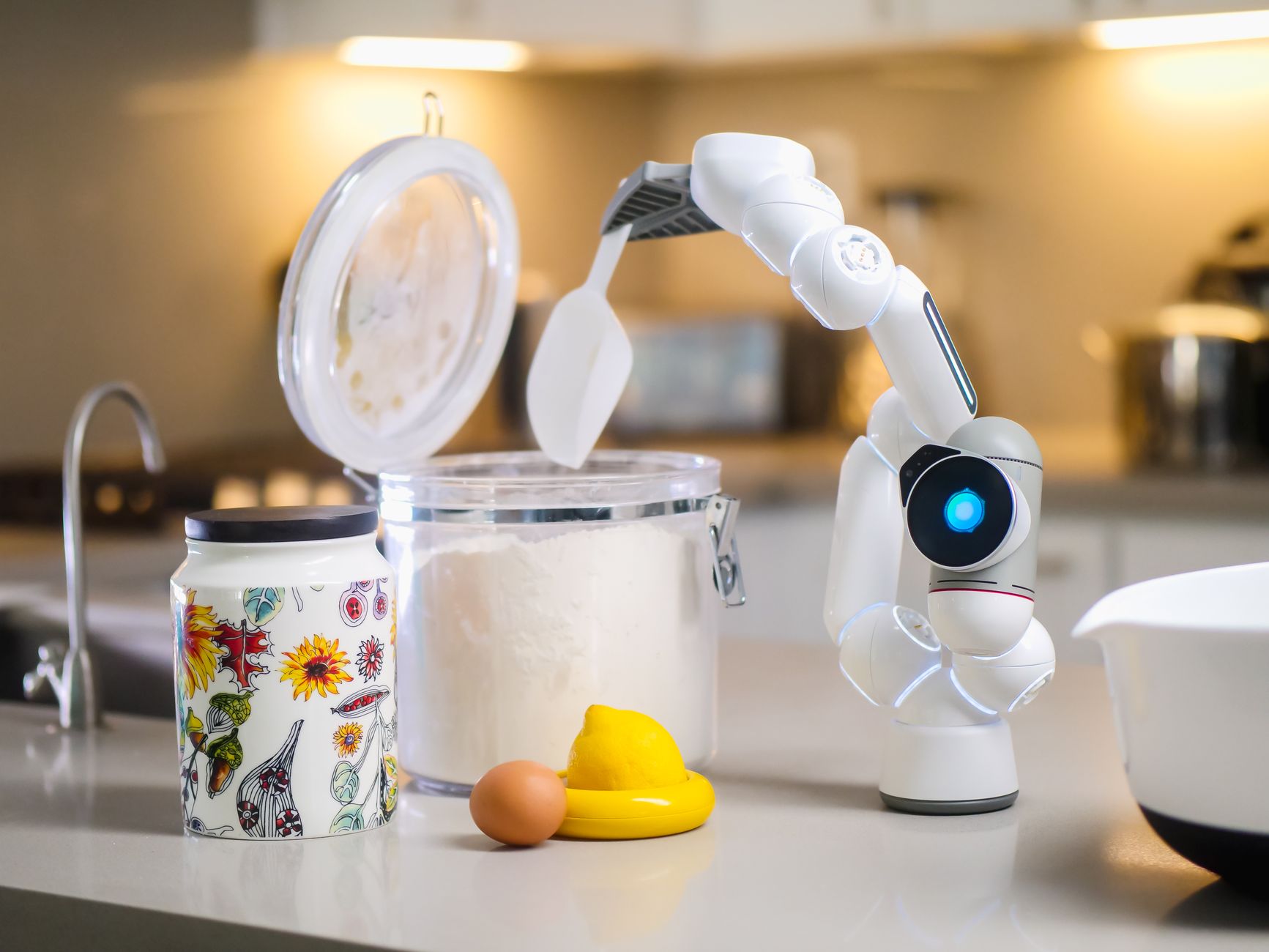
Smart kitchens promise convenience, but do they also deliver genuine savings compared with tried‑and‑true cooking methods? In this 2026 guide we break down the numbers, so you can decide whether the hype translates into lower bills.
⚡ In a Rush? Key Takeaways
- Induction stovetops cut cooking energy by 15‑20% versus gas ranges.
- Smart ovens save up to 12% per bake compared with conventional convection models.
- Connected refrigerators use 10‑15% less electricity when set to adaptive mode.
- Upfront premium for smart appliances averages $250‑$500 per unit.
- ✅ Verdict: Smart features pay off only when you maximise their automation; otherwise traditional gear remains cheaper.
How Do Smart Kitchen Appliances Differ From Traditional Ones?
Smart appliances add Wi‑Fi, sensors and app control, while traditional models rely on manual knobs and timers.
Smart devices integrate with voice assistants, offer remote monitoring, and can adjust cooking cycles automatically. Traditional appliances provide mechanical simplicity, often with longer proven lifespans. The absence of firmware means fewer updates to manage, and many users find the tactile feedback of a dial reassuring when cooking under pressure.
Understanding these fundamental differences helps you evaluate where energy savings truly arise, because a feature is only valuable if it translates into reduced electricity or gas consumption.
What Sensors Do Smart Cooktops Use?
Induction smart cooktops use temperature, load and magnetic sensors to fine‑tune power delivery for each pan.
These sensors detect the exact pan size and material, delivering just enough power to maintain the set temperature. The result is less wasted heat and quicker response than a conventional electric coil, which often overheats the surrounding area before the pan reaches the desired level.
- Temperature sensor accuracy within ±2 °C
- Load sensing reduces standby draw by 30‑40%
- Automatic pan‑size adjustment eliminates over‑cooking
How Do Connected Ovens Automate Cooking?
Smart ovens combine infrared probes, humidity sensors and AI algorithms to optimise bake cycles.
When you select a recipe, the oven reads the food’s internal temperature and ambient humidity, then adjusts heat and fan speed. Traditional ovens merely follow preset times and temperatures, which can lead to over‑browning or under‑cooking if the batter isn’t exactly what the manufacturer assumed.
| Feature | Smart Oven | Traditional Oven |
|---|---|---|
| Energy Use per Bake | 0.85 kWh | 0.97 kWh |
| Average Cycle Time | 45 min | 48 min |
| Self‑Cleaning Power | 2.1 kWh | 2.4 kWh |
Why Are Smart Refrigerators More Efficient?
Adaptive compressors in smart fridges modulate speed based on door‑open frequency and interior temperature set‑points.
Traditional refrigerators run at a constant compressor speed, even when the door is closed for hours. The adaptive system reduces electricity use by roughly 12% in a typical US household, because the compressor can idle at low speed during periods of low demand.
- Annual electricity drop: 70 kWh (≈$8‑$12)
- Smart alerts prevent food spoilage, saving $30‑$50 per year
- Remote temperature adjustments avoid over‑cooling
What Are the Real Running Costs of Smart vs. Traditional Appliances?
Average annual electricity cost for a smart induction cooktop is $45‑$60, versus $55‑$70 for a standard electric coil.
Running costs depend on the appliance’s energy draw and how often you use the smart functions. A smart oven that spends an extra 5 minutes per cycle in an “eco‑hold” state can add $0.50 to your yearly bill, but the same function may shave 10 % off the energy needed for a batch of cookies. Below we break down the most common kitchen categories.
How Much Does an Induction Cooktop Cost to Run?
An 1800 W induction unit uses roughly 1.1 kWh per hour of high‑heat cooking, costing $0.16‑$0.22 per hour at the 2026 US average rate of $0.15/kWh.
Traditional gas stovetops convert about 40 % of fuel energy to heat, meaning you pay roughly $0.12 per hour of comparable cooking, but you also incur fuel costs and venting losses. The difference becomes more pronounced when you frequently use the high‑heat “sear” setting, where induction’s near‑instant heat reduces overall cooking time.
| Appliance | Energy Use (kWh/h) | Annual Cost (Assuming 100 h) |
|---|---|---|
| Smart Induction | 1.1 | $176‑$220 |
| Standard Electric Coil | 1.5 | $240‑$300 |
| Gas Range (fuel‑equiv.) | 0.9 MWh gas | $130‑$170 |
What Is the Energy Impact of a Smart Oven?
Smart convection ovens average 0.85 kWh per bake cycle, translating to $13‑$16 annually for four weekly uses.
Conventional ovens consume around 0.97 kWh per cycle, costing about $18‑$22 per year under the same usage pattern. The smart model’s ability to pre‑heat only to the necessary temperature and to shut off the heating element once the target humidity is reached accounts for most of the difference.
- Smart oven saves ≈5 kWh per year
- Payback period for $300 premium ≈ 12‑15 years
- Seasonal use (holiday baking) shortens payback to 8 years
Do Smart Refrigerators Reduce Electricity Bills Significantly?
A 22‑cu‑ft smart fridge uses 320 kWh annually, versus 365 kWh for a comparable non‑smart model.
At $0.15/kWh, the smart unit saves about $6.75 each year. The difference seems modest, but when coupled with spoilage alerts the net household saving can exceed $40‑$60, especially for families that tend to over‑stock and let food sit too long.
Do Smart Dishwashers Offer True Energy Savings?
A Wi‑Fi‑enabled dishwasher with sensor‑dry can cut cycle energy by 10‑12% compared with a basic model.
The sensor detects residual moisture and only runs the heating element for the exact time needed, avoiding the blanket 30‑minute dry that older machines use. When paired with a half‑load eco mode, the overall water use drops from 6 gal to 3.5 gal per cycle, further lowering the utility bill.
| Dishwasher Type | Energy per Cycle (kWh) | Annual Cost (150 cycles) |
|---|---|---|
| Smart Sensor‑Dry | 0.95 | $143‑$171 |
| Standard Eco | 1.10 | $166‑$199 |
| Basic Non‑Smart | 1.25 | $188‑$225 |
Which Features Actually Deliver Energy Savings?
Features that monitor and adjust temperature, like adaptive compressors and load‑sensing cooktops, are the primary savers.
Other smart add‑ons—voice control, app notifications, or integrated lighting—rarely affect the energy bill. They may improve convenience, but a feature’s contribution to cost reduction is only meaningful when it reduces the appliance’s runtime or power draw.
Do Smart Power Strips Cut Kitchen Standby Load?
Smart strips eliminate up to 70 W of continuous draw, saving $10‑$15 per year per strip.
Many kitchen gadgets stay plugged in—coffee makers, chargers, mixers. A single strip that cuts 70 W translates to ~600 kWh saved over a decade, which is comparable to unplugging a small refrigerator entirely.
- Typical kitchen standby draw: 150‑250 W
- Smart strip reduces it to 80‑120 W
- Annual cost reduction: $12‑$20
Are AI‑Powered Ovens Worth the Extra Cost?
AI ovens shave 8‑12% off energy per bake, but cost $400‑$600 more than standard models.
The limited energy gain means the payback stretches beyond the typical appliance lifespan, unless you bake daily. For occasional home bakers the convenience of auto‑programming may outweigh the modest monetary return.
How Does Connectivity Affect Maintenance Costs?
Connected appliances can self‑diagnose, reducing service calls by 15‑20%.
Repair frequency drops, but the trade‑off is a higher chance of software glitches requiring firmware updates. Most manufacturers now provide over‑the‑air patches, which are free and typically resolve the issue without a technician visit.
- Average repair cost per incident: $150‑$250
- Smart diagnostics cut 1‑2 repairs per 5‑year period
- Net saving: $150‑$300 over five years
Can Smart Ventilation Reduce Cooking Heat Loss?
IoT‑linked range hoods adjust fan speed based on real‑time heat and smoke levels, cutting unnecessary motor run‑time by up to 40%.
Traditional hoods run at a fixed speed or rely on a manual dial, often staying on full blast even after the pan is cleared. The smart variant senses temperature spikes and only ramps up when needed, which reduces electricity use and also improves indoor air quality.
- Typical hood power: 120 W at high, 35 W at low
- Smart control averages 70 W over a cooking session
- Annual electricity saving: ~12 kWh (~$1.80)
What Is the Overall Cost‑Benefit Verdict?
Smart kitchen features save 5‑15% on energy bills, but require $250‑$500 upfront premium per appliance.
For households that actively use automation—pre‑heating, remote control and regular app monitoring—the savings can offset the higher purchase price within 8‑12 years. If you rarely engage the smart functions, traditional appliances remain the financially prudent choice.
How Long Is the Payback Period for a Smart Induction Cooktop?
A $250 premium yields a 5‑year payback if you cook 200 hours annually at high heat.
At 200 hours, the smart unit saves about $50 per year versus a regular electric coil, reaching break‑even after five seasons. The calculation assumes you use the auto‑power‑off and load‑sensing features for at least half of those hours.
When Does a Smart Oven Become Economical?
With a $300 price bump, a smart oven pays for itself after roughly 12‑15 years of regular use.
Heavy bakers who use the oven 4‑5 times weekly can shorten that to 8‑10 years, especially when paired with a utility rate of 24 p/kWh (≈$0.30/kWh). The key is to enable the oven’s “eco‑hold” and “auto‑clean” cycles, which minimise extra heating.
Is It Worth Upgrading a Refrigerator?
A $400 extra for a smart fridge recoups in 6‑7 years when factoring energy and spoilage savings.
The calculation assumes 30% of food waste is prevented, saving $40‑$50 annually, plus the modest 45 kWh electricity reduction. If you already have a well‑stocked, well‑organised fridge, the spoilage component may be smaller, extending the payback.
FAQ
Can I retrofit a traditional oven with smart features?
Smart retro‑kits add Wi‑Fi control but do not provide sensor‑level efficiency gains.
They allow remote start/stop and temperature alerts, but the core heating elements stay unchanged, so energy savings remain minimal. Retrofitting may be worthwhile only for convenience, not for cost reduction.
Do smart kitchen devices require special wiring?
Most smart appliances need a standard 120 V outlet; only high‑power units like induction cooktops may need a dedicated circuit.
Consult an electrician if you plan to install multiple high‑draw devices on the same circuit. Overloading a single branch can trigger breaker trips and negate any efficiency gains.
How does the 2026 electricity rate affect my decision?
Higher rates increase the monetary value of any kilowatt‑hour saved, shortening payback periods.
At $0.20/kWh, a smart induction cooktop saves $70‑$80 annually versus a standard coil, cutting the payoff to three‑four years instead of five‑six. Conversely, in regions with lower rates the same savings stretch the breakeven further out.
Are there any rebates for smart kitchen appliances?
Some utilities in 2026 offer up to $150 rebate for qualifying smart appliances under energy‑efficiency programs.
Check local utility websites or the DOE’s ENERGY STAR program for current incentives. Rebates typically apply to appliances that meet or exceed A‑rating thresholds and have network‑ready connectivity.
Do smart appliances increase my home insurance?
Generally no, unless the device adds a fire‑risk factor, which most modern units mitigate with built‑in safety sensors.
Insurance premiums stay unchanged for standard smart kitchen upgrades, though it’s worth confirming with your provider if you install high‑capacity induction units that draw more than 30 A.
Bottom Line
Smart kitchen features trim energy use modestly; they only pay off if you harness the automation fully.
For most renters or budget‑conscious owners, conventional appliances deliver reliable performance at a lower upfront cost. If you love data, enjoy fine‑tuning cooking cycles, and can leverage the tech daily, the modest savings add up and the convenience may justify the premium.
— Greta Michaud, Home Appliance Efficiency Researcher