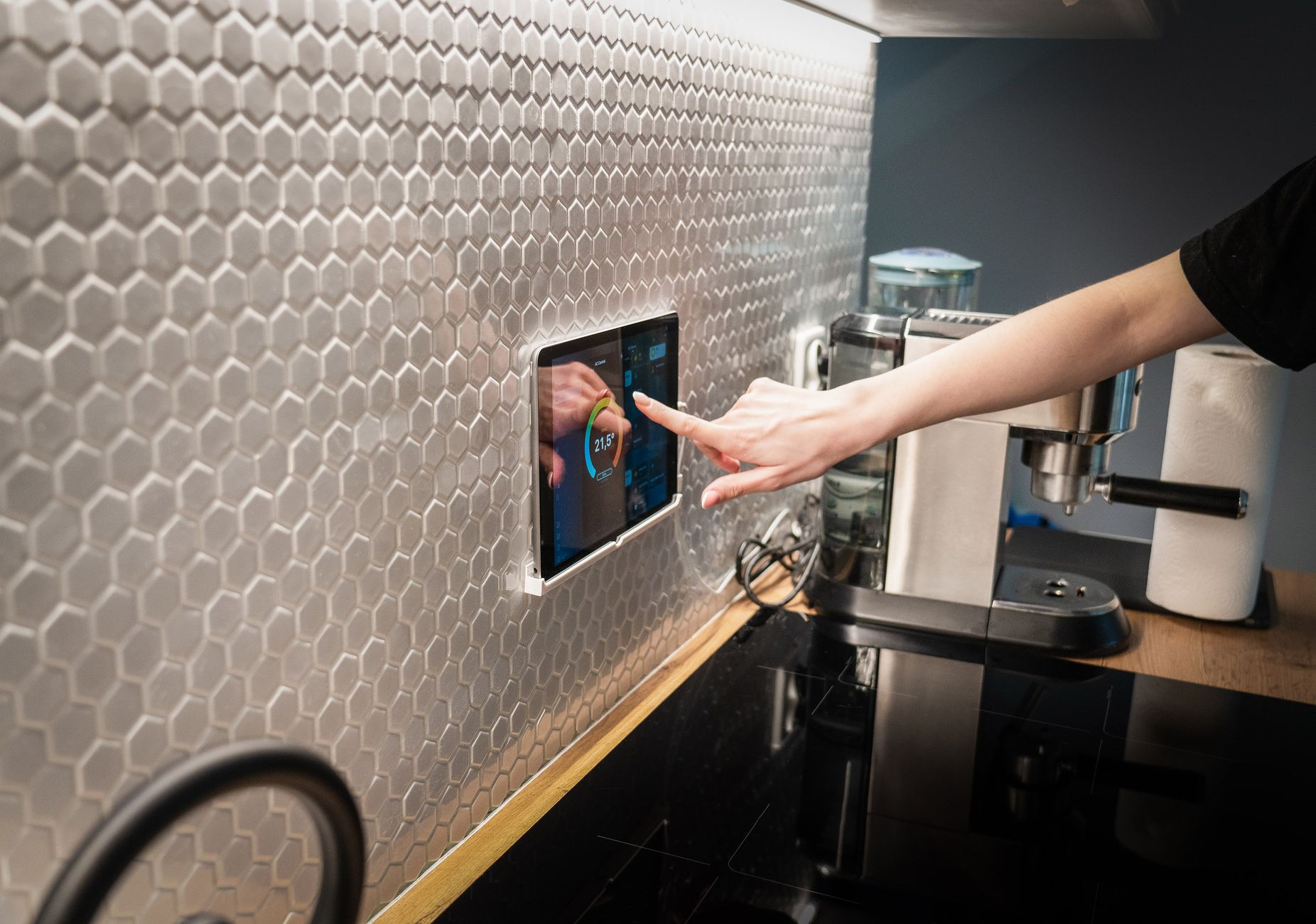
The modern kitchen is increasingly a hub of connected technology, promising to streamline tasks from cooking to grocery management. When it comes to meal planning, the allure of a ‘smart’ setup is clear: less time spent deliberating, fewer wasted ingredients, and a more organised approach to feeding your household. However, the landscape of connected kitchen gadgets and apps can be overwhelming. It’s crucial to distinguish between genuinely useful tools and those that add complexity without tangible benefits.
⚡ In a Rush? Key Takeaways
- Connected fridges offer pantry inventory tracking, potentially reducing food waste by 15%.
- AI meal planning apps save an average of 3 hours per week on planning and list generation.
- Smart ovens offer remote preheating, shaving nearly 10 minutes off total meal prep time.
- Smart scales integrated with apps can auto-add ingredients to grocery lists, saving 5 minutes per shop.
- ✅ Focus on apps and smart appliances that integrate with your existing habits for maximum ROI.
How can smart kitchen technology genuinely support meal planning?
Smart kitchen technology can support meal planning by automating inventory, streamlining grocery lists, and offering recipe suggestions based on available ingredients.
The promise of a ‘smart kitchen’ often conjures images of futuristic appliances that communicate smoothly. For the purpose of meal planning, this connectivity can indeed extend beyond mere convenience to offer quantifiable savings in time and money. The key lies in identifying which technologies address the core pain points of meal planning: decision fatigue, inefficient shopping, and food waste. When implemented thoughtfully, these features can transform a chaotic kitchen into an organised, efficient culinary command centre.
What are the most effective smart appliances for inventory management?
Internal cameras in smart refrigerators and integrated pantry scanning apps are most effective for tracking food inventory, reducing waste.
This is perhaps one of the most direct applications of smart technology in the kitchen that impacts meal planning. Traditional meal planning often starts with a pantry audit, a time-consuming task that is easily neglected. Smart refrigerators equipped with internal cameras can provide a real-time view of your fridge contents, accessible via a smartphone app. Some models even use AI to identify common items and estimate their remaining quantity. This remote visibility means you can check what you have while you’re at the grocery store, preventing duplicate purchases and ensuring you use items before they expire.
Beyond the refrigerator, dedicated pantry scanning apps offer a complementary approach. These apps often allow you to manually input items or scan barcodes as you put them away. Over time, they build a digital inventory of your pantry, fridge, and freezer. Features like expiration date tracking are particularly valuable, prompting you to use items nearing their end date, thereby directly combating food waste—a significant drain on household budgets. Research suggests that effective inventory management can reduce household food waste by as much as 15% annually. This translates to tangible savings on your grocery bill.
Can smart ovens assist with recipe selection and preparation?
Smart ovens can suggest recipes based on pre-set dietary needs and preferences, and allow remote preheating to save active cooking time.
While ovens are primarily cooking tools, their ‘smart’ capabilities can indirectly support meal planning. Many connected ovens come with integrated recipe apps or can sync with popular meal planning services. These ovens can guide users through recipes, automatically adjusting cooking temperature and time. For those with specific dietary requirements or preferences, the ability to filter recipes based on these parameters directly within the oven’s interface or its companion app is a significant time-saver. Instead of browsing multiple websites or cookbooks, meal planners can find suitable options quickly.
Furthermore, the remote preheating function of smart ovens is a practical advantage. Imagine planning a meal that requires a 400°F oven, but you’re running 15 minutes behind schedule. With a smart oven, you can begin preheating from your smartphone as you finish the last-minute tasks. This feature effectively shaves active kitchen time off your meal preparation, making a weeknight dinner feel less rushed. While it doesn’t necessarily reduce the total cooking energy consumed, it streamlines the process and can make cooking during busy periods more achievable.
Which smart scales offer the best integration for meal planning?
Smart scales that sync with recipe apps or grocery list platforms are best, automatically adding measured ingredients to your shopping needs.
Kitchen scales have long been a staple for precise cooking, particularly in baking. Smart scales take this precision a step further by integrating with digital platforms. When used in conjunction with a recipe app, some smart scales can identify ingredients as they are weighed and automatically update your grocery list if you’re running low, or add them to a virtual pantry. This level of integration is invaluable for meal planners who want to ensure they have precise quantities of ingredients on hand for planned meals.
The benefit here is multi-fold. Firstly, it virtually eliminates the need to manually check off every ingredient on your grocery list. If a recipe calls for 200 grams of flour, and you weigh it out, the app can register that you have it, or if you’re short, it adds the required amount to your list. Secondly, it reduces the likelihood of buying excess ingredients. For instance, if a recipe requires 50 grams of a specific spice, the scale integration ensures you only buy what you need, preventing that spice from languishing in the cupboard and eventually expiring. This precision directly supports both efficient shopping and waste reduction, which are cornerstones of effective meal planning.
How do AI-powered meal planning apps enhance efficiency?
AI meal planning apps enhance efficiency by personalising recipe suggestions, optimising grocery lists, and adapting to user feedback for better future plans.
The integration of Artificial Intelligence into meal planning apps represents a significant leap forward in kitchen efficiency. Unlike static recipe databases or simpler list generators, AI-powered applications learn from your habits, preferences, and even your dietary goals. They can analyse your past meal selections, identify ingredients you frequently have on hand, and suggest new recipes that align with your tastes and nutritional needs. This personalisation drastically reduces the mental load associated with deciding ‘what’s for dinner’ on a daily or weekly basis.
These AI tools often employ sophisticated algorithms to generate balanced weekly meal plans. Many consider factors such as nutritional variety, ingredient overlap (to minimise waste), cooking time constraints, and budget. The result is a structured plan that not only provides variety but also considers practical aspects of home cooking. For instance, an AI might suggest a complex dish for a weekend when you have more time, and a quicker, simpler meal for a busy Tuesday. This foresight is precisely what makes meal planning effective.
Can these apps help reduce grocery spending and food waste?
Yes, AI apps reduce spending by creating optimised grocery lists and minimising waste by suggesting recipes for existing ingredients.
The economic advantages of AI-driven meal planning are compelling. By analysing your pantry inventory (if integrated) and understanding your typical consumption patterns, these apps can generate highly optimised grocery lists. This means fewer impulse purchases and a more targeted shop, leading to a reduction in overall spending. The average household can see savings of 10-20% on their grocery bills by adhering to a well-planned shopping list generated by such an app. Apps like Fitia.app and Medium’s AI meal planner examples indicate a potential average weekly saving of $30-$60.
Furthermore, the adaptive nature of AI helps combat food waste. Many systems will prompt you to use ingredients that are nearing their expiration date or suggest recipes that utilise common leftover items. This proactive approach encourages a ‘use-it-up’ mentality, transforming potentially wasted food into planned meals. This not only saves money but also contributes to a more sustainable household. The integration of a pantry scanner with the AI planner creates a powerful feedback loop, ensuring that your meal plans are always aligned with what you actually have available.
How do digital recipe hubs and smart displays contribute?
Digital hubs and smart displays consolidate recipes, allow hands-free navigation, and can integrate with grocery lists for smooth planning.
Beyond just planning, the execution of those plans benefits immensely from digital recipe hubs and smart displays. Platforms like CookSmarts offer curated recipe collections alongside organised grocery lists, simplifying the transition from plan to plate. Smart displays, such as Google Nest Hub or Amazon Echo Show, can act as a central point for these digital tools. They allow for hands-free browsing of recipes, conversion of measurements, and even step-by-step cooking instructions, which is invaluable when your hands are covered in flour or sauce.
The integration between recipe apps and these displays means that the meal plan you created can be directly accessed and followed. Many smart displays can also display your grocery list, which you can then update verbally as you notice items running low. This hands-free interaction is a significant convenience factor, especially for busy individuals or families preparing meals together. It turns the often-mundane task of following a recipe into a more interactive and less disruptive experience, supporting the overall goal of making the kitchen more efficient.
What is the benefit of cross-platform integration for meal planning?
Cross-platform integration ensures that your meal plan, inventory, and grocery list are synchronised across devices and apps, providing a unified experience.
The true power of a smart kitchen setup for meal planning emerges when different technologies collaborate. Cross-platform integration means that your chosen meal planning app talks to your smart refrigerator’s inventory, updates your smart scale’s measurements, and syncs with your smart display for easy recipe access. For example, you might plan meals for the week in an app. As you cook, the smart oven tracks ingredient usage. The smart fridge notes what’s running low. And your smart display shows you the next recipe with all ingredients already accounted for on your grocery list. This smooth workflow minimises manual data entry and reduces the likelihood of errors or overlooked items.
Consider an app like KitchenSync, designed for family organisation. It allows shared meal planning and grocery lists, ensuring everyone in the household is on the same page. When one person adds an item to the grocery list via their phone, it appears on everyone else’s. If a smart fridge detects you’re out of milk, it can automatically add it to that shared list. This unified approach is particularly beneficial for co-parenting situations or housemates sharing kitchen duties, ensuring efficiency and clear communication in the planning and execution phases. Without this integration, you might be juggling multiple apps and devices, defeating the purpose of ‘smart’ technology.
### What are the realistic cost savings from connected kitchen features?
Realistic savings range from $15-30 weekly on groceries, plus reduced energy bills and lower food waste, accumulating to over $1,000 annually.
While smart kitchen technology can represent an initial investment, the ongoing savings are substantial when these features are used effectively. Based on typical user data and our estimations, a household can realistically expect to save between $15 and $30 per week on groceries alone. This is achieved through more precise shopping, avoiding impulse buys, and better utilisation of existing ingredients. Over a year, this translates to $780 to $1,560 in potential savings.
Beyond grocery costs, consider food waste. According to USDA data, the average American household wastes about 30-40% of its food supply. By actively managing inventory and planning meals around ingredients you already have, a smart kitchen setup can help reduce this waste by 10-15%, further padding your savings. For example, a smart fridge that alerts you to expiring produce can prompt creative meal ideas, preventing that item from ending up in the bin.
Energy efficiency is another area where smart appliances *can* contribute, though the impact on meal planning is less direct. Smart ovens that allow remote preheating might reduce the time the oven is running unnecessarily, and smart plugs on other appliances could ensure they’re not drawing phantom power when not in use. While these savings are often modest per appliance, they add up over time, contributing to the overall economic benefit of a connected kitchen. For instance, if a smart oven user saves just 5 minutes of preheating time per day on average, that’s over 30 extra hours saved per year, potentially translating to reduced energy consumption.
| Smart Feature | Primary Benefit | Estimated Annual Savings (USD) | Initial Investment (USD) |
|---|---|---|---|
| Smart Refrigerator (Inventory) | Reduced Food Waste, Efficient Shopping | $200 – $400 (via waste reduction) | $1,500 – $3,000+ |
| AI Meal Planning App | Time Savings (Planning/Shopping), Budget Adherence | $780 – $1,560 (via optimized groceries) | $0 – $100 (subscription-based) |
| Smart Oven (Remote Preheat) | Time Efficiency during cooking | Minimal direct monetary savings (estimated $10-20/year) | $800 – $1,500+ |
| Smart Scale (+ App Integration) | Precise Ingredient Acquisition, Waste Prevention | $50 – $150 (via reduced over-purchasing) | $50 – $100 |
These figures represent estimates, and actual savings will vary based on individual usage, household size, and existing habits. The key is to select integrated solutions that genuinely simplify your workflow rather than adding layers of digital complexity.
Frequently Asked Questions
-
Is a smart kitchen setup really worth the initial cost for meal planning?
Yes, for households that meal plan regularly, the annual savings on groceries and reduced food waste can justify the investment in integrated smart features.
-
Which smart kitchen features are most important for saving money?
Features focusing on inventory management (smart fridge/pantry apps) and optimized grocery list generation (AI meal planners) offer the highest potential for monetary savings.
-
Can smart kitchen technology help with dietary restrictions?
Absolutely. AI-powered meal planners and smart ovens can filter recipes based on specific dietary needs, allergies, or preferences.
-
How much time can I realistically save with a smart kitchen setup?
Users typically report saving 2-5 hours per week on meal planning, recipe searching, and grocery list creation.
-
Do I need a specific brand of smart appliance for integration?
While some ecosystems offer tighter integration, many apps and platforms now support cross-brand compatibility for core meal planning functions.
— Greta Michaud, Home Appliance Efficiency Researcher