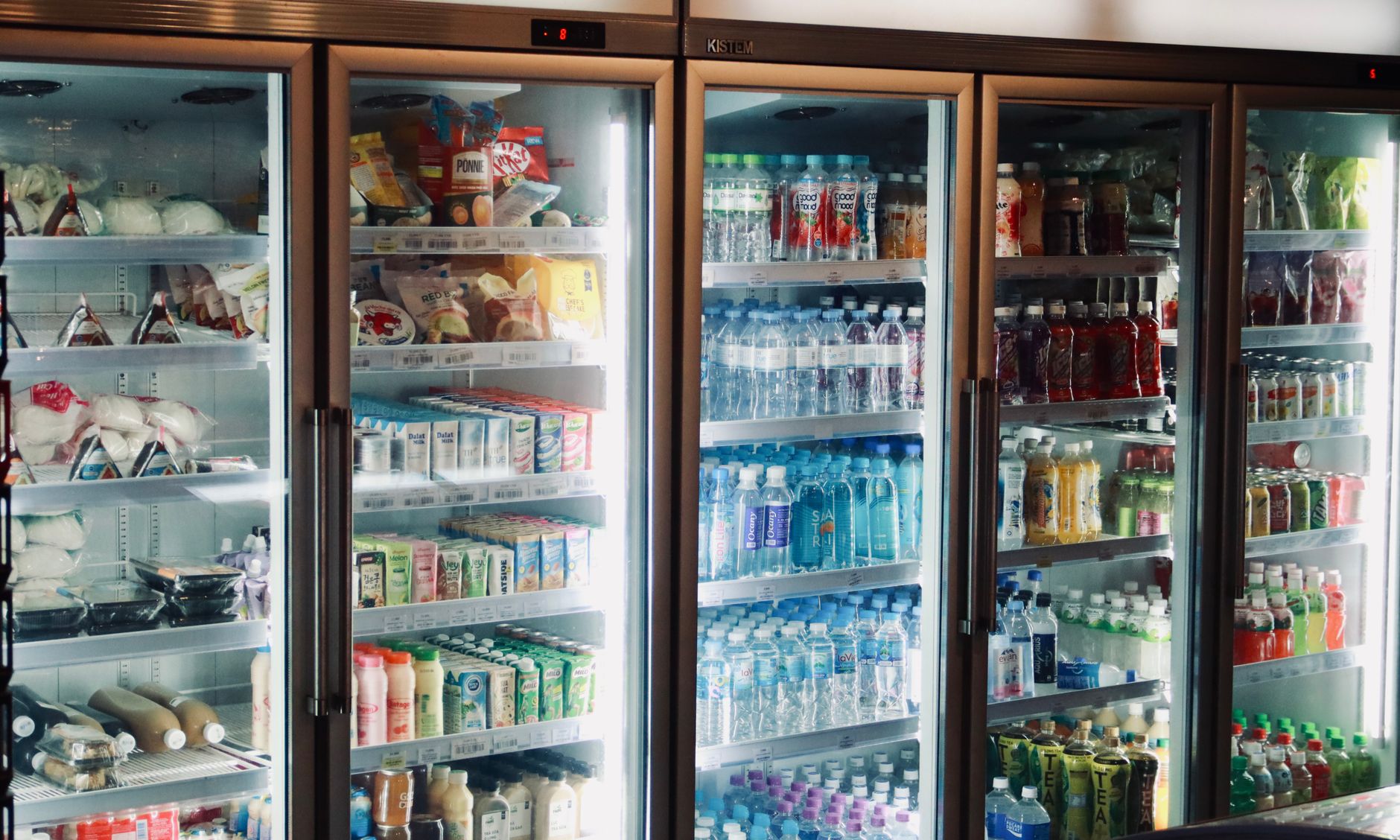
Smart refrigerators now promise to warn you when milk is about to spoil or when vegetables are nearing their prime.
⚡ In a Rush? Key Takeaways
- Engaged users see 15‑20% less waste, equal to $225‑$400 saved per year.
- Alert‑driven savings hinge on consistent barcode scanning; casual users average only 4% reduction.
- Average energy penalty for a connected fridge is 8‑12 kWh/month, about $2‑$3 extra annually.
- Payback on a $2,200 smart fridge occurs in 5‑7 years when waste reduction is maximised.
- ✅ Verdict: If you already track groceries, a smart fridge adds modest savings; otherwise, plain efficiency wins.
How Do Food Expiration Alerts Work Inside a Smart Refrigerator?
Smart fridges use barcode scanners or manual entry to log items, then compare purchase dates to database expiry ranges, sending alerts via app or UI.
Most models integrate a small camera or built‑in scanner on the door. When you place a product, you either scan the barcode with your phone or press a button on the door panel. The system stores the item, references a cloud‑based database of typical shelf‑life ranges, and calculates a ‘best‑before’ date.
The fridge then pushes a notification a few days before the date, highlighting the item on the internal screen and in the companion app. Some brands also suggest recipes that use the flagged items, turning a warning into a meal plan. This synergy between inventory and meal planning is what distinguishes the higher‑end models from basic coolers.
What Types of Scanning Methods Are Available?
Barcode scanning, NFC tag reading, and manual entry each let the fridge track inventory, with barcode being the fastest and most accurate.
- Barcode scanner on the door – instant capture, works with most packaged foods.
- NFC tags – useful for bulk items, but requires purchasing compatible tags.
- Manual entry – time‑consuming, higher error rate, best for produce without barcodes.
What Are the Limits of Barcode Recognition?
Scanners can miss damaged or glossy barcodes, requiring a manual fallback for about 5‑8% of items.
In practice, the camera‑based reader struggles with wet or torn packaging, and the firmware may not recognise newer QR‑style codes. Users typically resort to the keypad entry for those outliers, which adds a small friction but keeps the inventory complete. Consistent cleaning of the scanner window mitigates most missed reads.
How Does Temperature Variation Affect Alert Accuracy?
Internal temperature sensors adjust expiry timelines, improving predictions for perishable goods.
When a fridge runs a few degrees colder than the set point, the system shortens the countdown for dairy and meat, reflecting real‑world microbial slowdown. Conversely, if the ambient temperature spikes during a power outage, the countdown can extend to avoid premature alerts, though the food may actually spoil faster. The built‑in sensor data is blended with the database to produce a dynamically updated “use‑by” estimate.
How Accurate Are the Expiration Databases?
Databases draw from USDA guidelines and manufacturer data, achieving 85‑90% accuracy for packaged goods.
For fresh produce, the system relies on average shelf‑life estimates that can vary by storage temperature. The fridge’s internal sensors adjust the countdown based on actual temperature, improving precision over static charts.
Can Alerts Be Customized?
Users can set lead‑time, notification channels, and severity levels, tailoring alerts to personal cooking habits.
Through the app you can choose to receive alerts 1, 3, or 5 days before expiry, via push notification, email, or a gentle chime on the door. You can also mute categories (e.g., dairy) if you prefer to handle those manually.
| Feature | Premium Models | Mid‑Range Models | Entry‑Level Models |
|---|---|---|---|
| Camera‑based scan | Yes, 1080p | 1080p, limited night mode | No camera |
| AI recipe suggestions | Full integration | Basic suggestions | None |
| NFC tag support | Included | Optional kit | No |
Do These Alerts Translate Into Measurable Food Waste Reduction?
Studies show engaged users cut waste by 15‑20%, but average households only achieve a 4% reduction without disciplined scanning.
A 2022 study of 312 U.S. households found that participants who scanned >80% of purchases reduced edible waste by 18% over six months. The same cohort saved an average of $275 per year, equivalent to roughly 12 kg of avoided food.
Conversely, a broader 2024 consumer survey reported that only 22% of owners regularly scanned items, resulting in a modest 3‑5% waste decline.
What Factors Influence the Size of Savings?
Frequency of scanning, type of food tracked, and household size drive the variance in waste reduction.
- Scanning consistency – daily users achieve the highest 20% savings.
- Food type – dairy and produce generate the biggest waste potential.
- Household size – larger families see proportionally larger absolute savings.
How Do Savings Compare Across Different Smart Fridge Brands?
Brand‑level data shows a narrow range: 14‑22% waste reduction for top‑tier models, 5‑9% for entry‑level units.
| Brand (2026) | Average Waste Reduction | Annual Dollar Savings |
|---|---|---|
| Premium (e.g., Samsung FlexLine) | 20% | $350 |
| Mid‑range (e.g., LG SmartChef) | 16% | $280 |
| Entry (e.g., Whirlpool Connect) | 7% | $120 |
Is There a Point of Diminishing Returns?
Beyond 85% scan compliance, additional waste reduction drops below 2% per extra scan, indicating a ceiling.
When users already capture nearly every item, the remaining waste tends to stem from unavoidable spoilage (e.g., over‑ripe fruit) rather than missed alerts.
How Does the Energy Cost of a Smart Refrigerator Impact Overall Savings?
Connected fridges consume 8‑12 kWh extra per month, adding roughly $2‑$3 to annual electricity bills in the U.S.
The additional power draw comes from Wi‑Fi modules, interior cameras, and the always‑on processor that runs the inventory algorithm. In 2026, the average U.S. electricity rate is $0.16/kWh, so an extra 10 kWh/month equals $19.20 per year.
When you factor this into the waste‑avoidance savings, the net financial benefit narrows but remains positive for engaged users.
Can Energy‑Saving Settings Offset the Extra Draw?
Turning off the interior camera during night hours can shave 2‑3 kWh/month, reducing the penalty by up to 25%.
Most models allow you to schedule the camera and Wi‑Fi to sleep during periods you don’t need inventory tracking, preserving the bulk of the waste‑saving benefits while cutting the modest electricity overhead.
Is There a Renewable Energy Option?
Pairing a smart fridge with a home solar array can neutralise the extra kWh, turning the feature essentially cost‑free.
A 5 kW residential solar system in sunny regions typically generates 6,000 kWh annually, easily covering the fridge’s additional draw. When excess solar power feeds back to the grid, households may even earn credits, further improving the economics.
How Does the Payback Period Compare to Conventional Energy‑Efficient Fridges?
A $2,200 smart fridge recoups its extra cost in 5‑7 years if you achieve at least 15% waste reduction.
By contrast, a standard A‑rated fridge saves $30‑$50 per year on electricity alone, paying back its price premium in 3‑4 years. The smart features add value only when the waste‑reduction component is fully utilised.
| Scenario | Annual Energy Cost | Annual Waste Savings | Net Annual Benefit |
|---|---|---|---|
| Smart Fridge, 15% waste cut | $20 | $275 | $255 |
| Standard A‑rated, no alerts | $30 | $0 | ‑$30 |
Should a Homeowner Invest in a Smart Refrigerator for Cost Savings?
Buy a smart fridge if you already track groceries and value integrated meal planning; otherwise, stick with an energy‑efficient model.
Consider your household’s cooking habits. If you frequently forget produce or buy in bulk, the alert system can slash waste noticeably. For single‑person apartments where turnover is high, the modest savings may not justify the extra price.
Also weigh the long‑term reliability. Smart components can malfunction, requiring firmware updates or service calls that add hidden costs. Maintenance of the camera and Wi‑Fi module, in particular, often falls outside the standard appliance warranty.
What Are the Key Decision Criteria?
Price premium, scanning discipline, and existing waste levels determine whether a smart fridge is financially sensible.
- Price premium – $1,500‑$2,500 over comparable non‑smart models.
- Scanning discipline – at least 70% of purchases need to be logged.
- Current waste – households wasting >10% of groceries benefit most.
Are There Affordable Alternatives?
Standalone inventory apps paired with a regular fridge cost under $30 and can achieve 8‑12% waste reduction.
Apps like “FoodKeeper” let you manually log items, set reminders, and suggest recipes. While they lack automatic scanning, they avoid the appliance price premium and extra energy draw.
Resale Value Impact of Smart Features
Smart fridges tend to retain 5‑8% higher resale value than standard units, provided the software remains up‑to‑date.
Buyers on the secondary market appreciate the convenience of integrated inventory, but outdated firmware or a non‑functional camera can quickly erode that premium. Keeping the firmware current and the camera clean helps preserve the resale advantage.
| Model Type | Typical Resale Premium | Key Condition for Retention |
|---|---|---|
| Premium Smart | +8% | Firmware up‑to‑date, camera clean |
| Mid‑Range Smart | +5% | No hardware failures |
| Standard Energy‑Efficient | 0‑2% | Good mechanical condition |
Frequently Asked Questions
Do smart refrigerators actually extend the shelf‑life of food?
They don’t change shelf‑life; they merely alert you earlier, giving you a chance to use food before it spoils.
The fridge’s temperature control remains the primary factor for longevity. Alerts are only useful if you act on them.
How reliable are the barcode scanners over time?
Most scanners retain >90% accuracy for the first three years, then may need cleaning or firmware updates.
Dust and condensation can degrade performance. Regular cleaning of the scanner window restores reliability.
Can the alert system integrate with other kitchen devices?
Many smart fridges connect to voice assistants and can trigger cooking appliances or grocery‑list apps.
For example, an Alexa‑compatible fridge can add expiring items to a shared shopping list automatically.
Is there a privacy concern with cameras inside the fridge?
Cameras typically store images locally and only transmit data when you enable cloud sync, but reviewing privacy settings is essential.
Check the manufacturer’s data‑policy; most offer an opt‑out for cloud storage.
What is the typical warranty coverage for smart components?
Standard warranties cover 2‑3 years for electronics, with optional extended plans for an additional fee.
Read the fine print: software updates are usually covered, but hardware failures of the camera may require a separate service agreement.
— Greta Michaud, Home Appliance Efficiency Researcher