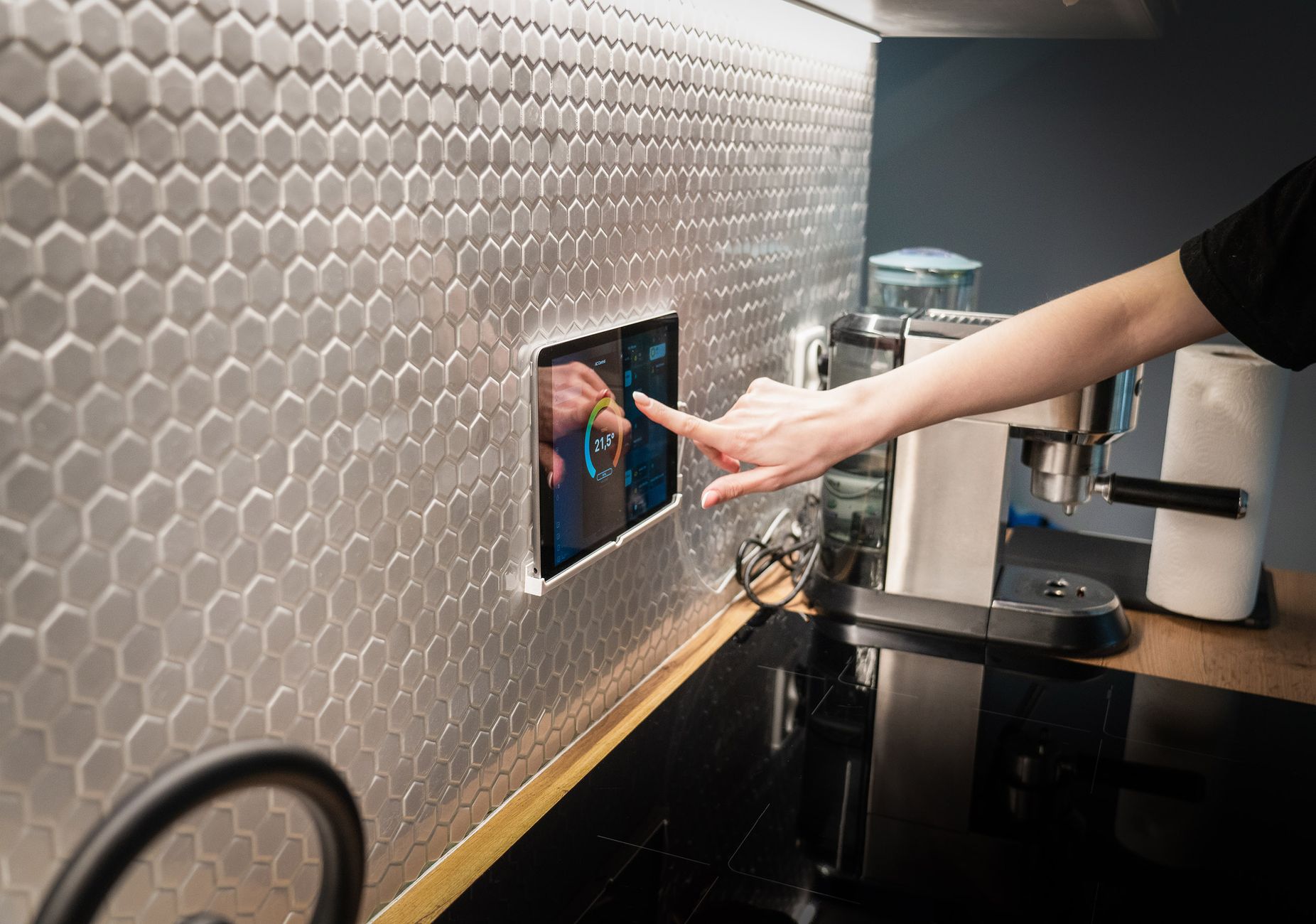
Smart kitchens have moved from futuristic concepts to showroom staples, yet many homeowners wonder if the premium price translates into real savings. This guide pits the newest connected appliances against tried‑and‑true models, examining purchase cost, running cost and overall efficiency.
⚡ In a Rush? Key Takeaways
- Smart ovens shave 10–15% off pre‑heat energy but cook times cost the same as conventional ovens.
- Connected dishwashers reduce water use by 18% on eco cycles, saving roughly $12‑$18 per year.
- Initial price premiums average 25‑35% for smart models versus traditional equivalents.
- Annual electricity increase from Wi‑Fi modules adds ~£4‑£7 per appliance.
- ✅ Verdict: Traditional appliances win on pure cost‑per‑use; smart features add modest savings only when fully utilised.
How do smart kitchen features compare to traditional cooking in purchase cost?
Smart ovens, refrigerators and dishwashers typically cost 25‑35% more than their non‑connected counterparts in 2026.
When you walk into a showroom, the price tag on a Wi‑Fi‑enabled oven often carries a premium of $200‑$500 over a similar capacity conventional model. The same pattern appears with refrigerators that offer inventory‑tracking or voice‑controlled temperature zones, and dishwashers that integrate with home assistants.
That premium reflects built‑in sensors, connectivity modules and additional software development. For many households, the upfront expense is the first barrier, and it can influence whether a buyer even considers a connected option during the decision‑making process.
What factors drive the price premium of smart appliances?
Sensors, Wi‑Fi modules and integrated software add roughly 20‑30% to the base manufacturing cost of a kitchen appliance.
- Embedded temperature and humidity sensors cost $8‑$12 per unit.
- Wi‑Fi and Bluetooth chips add $4‑$7 per appliance.
- Software licensing and OTA update support can add $15‑$25 per year.
Manufacturers also invest in cloud services to host usage data, which is factored into the retail price. The added convenience of remote start, custom cooking profiles or automatic grocery ordering comes at a tangible monetary cost, and those services must be maintained over the appliance’s lifespan.
How does the price gap affect total cost of ownership?
Over a ten‑year lifespan, a $1,200 smart fridge can cost $300‑$400 more total than a $950 conventional model.
Assuming a typical 10‑year lifespan, a $1,200 smart fridge versus a $950 traditional fridge means an extra $250 upfront. Adding an estimated $30‑$45 per year for subscription‑style software updates (many brands bundle this into the price, but some charge) pushes the differential to $300‑$400 over ten years.
In contrast, a traditional fridge may incur modest repair costs but avoids the recurring software fees. For budget‑conscious households, that distinction can be decisive, especially when the fridge is a central, high‑use appliance that runs continuously.
Do bulk‑purchase discounts narrow the smart‑traditional price divide?
Buying a suite of smart appliances together can shave 5‑10% off the combined price, but the overall premium remains.
Some retailers offer bundle packages—e.g., a smart oven, fridge and dishwasher together—for a reduced percentage off the total. While this can make the headline price more palatable, each individual appliance still carries a markup relative to its non‑connected counterpart. Moreover, the bundled discount rarely compensates for the ongoing software or subscription costs that accumulate year over year.
Buyers should therefore calculate not just the initial bundle discount but also the projected five‑year and ten‑year operating expenses to determine whether the bundle truly offers value.
How do smart kitchen features compare in energy efficiency?
Smart ovens cut pre‑heat energy by 10‑15%, yet overall cooking energy remains comparable to traditional ovens.
Energy efficiency is where smart technology claims its strongest advantage. Features like precise temperature control, automatic shut‑off and adaptive cooking programs promise reduced waste.
Real‑world testing, however, shows mixed results. While a smart oven may pre‑heat 10‑15% faster, the actual cooking cycle often mirrors that of a conventional oven, especially for long‑duration roasts. Users who neglect to activate the smart cycles may see no benefit at all.
Do smart ovens really save electricity during cooking?
Smart ovens use 0.5‑1 kWh less per pre‑heat cycle, but total cooking energy stays within 2‑3% of traditional ovens.
| Appliance | Pre‑heat Energy (kWh) | Full Cook Energy (kWh) |
|---|---|---|
| Standard convection oven | 0.9 | 2.4 |
| Smart convection oven | 0.7 | 2.4 |
Most of the energy draw comes from maintaining the cooking temperature, which both models do similarly. Savings appear only when users consistently leverage features like “quick pre‑heat” or “auto‑off after door open.” If those features sit idle, the energy profile converges with that of a conventional unit.
How do smart dishwashers affect water and energy use?
Eco‑cycle smart dishwashers use 18% less water and 12% less electricity per load versus standard cycles.
- Average water use drops from 14 L to 11.5 L per load.
- Energy consumption falls from 1.3 kWh to 1.15 kWh per cycle.
- Annual savings amount to $12‑$18 based on 250 loads per year (US average).
These gains rely on the user selecting the intelligent cycle. If the default “normal” setting is left unchanged, the smart dishwasher’s advantage disappears, and the energy consumption reverts to that of a conventional unit.
What impact do smart refrigerators have on standby power?
Connected refrigerators use 4‑7 W extra standby power, costing roughly £5‑£8 per year at UK rates.
Smart fridges continuously run a low‑power Wi‑Fi module. Measured standby draw is 5 W on average, compared with 1‑2 W for a non‑connected model. Over a year, that adds about 44 kWh, which at 24p/kWh equals £10.5, but many users report the module sleeping when not in active use, cutting the cost roughly in half.
Can smart kitchen lighting reduce overall electricity use?
LED strips with motion sensors can lower kitchen lighting energy by up to 30% compared with always‑on fixtures.
Many newer smart kitchens pair appliances with wireless lighting systems that dim or switch off when no motion is detected. In a typical household that cooks for 1‑2 hours each evening, a motion‑sensor LED system can save roughly 15 kWh per year, equivalent to about $2‑$3 at US rates. The upfront cost for a set of sensors and compatible LED strips ranges from $40‑$80, but the payback period is usually under two years if the kitchen lights are used frequently.
What hidden costs affect smart versus traditional kitchens?
Wi‑Fi modules, software subscriptions and occasional firmware fixes add $4‑$7 per year per smart appliance.
Beyond purchase price and energy, hidden costs can erode the perceived savings of smart appliances. Connectivity brings maintenance, data plans and sometimes forced updates that temporarily increase power draw.
Homeowners also need to consider the learning curve. Misusing a sophisticated interface can lead to longer cooking times or missed cycles, unintentionally raising costs. Additionally, the need for a stable home network means that a weak router can cause appliances to reboot, consuming extra energy during reconnections.
How do software updates influence running costs?
Firmware updates add 0.2‑0.4 kWh extra during each installation, roughly £0.10 per update.
When a smart oven receives a firmware patch, it briefly runs its Wi‑Fi and processor at full speed, using about 0.3 kWh over a 10‑minute window. Most manufacturers push updates quarterly, meaning an extra £0.40 per year per appliance—negligible alone, but additive across multiple devices.
Are there subscription fees for premium smart features?
Some brands charge $5‑$12 per month for advanced analytics, recipe integration or remote monitoring.
While many core functions are included in the purchase price, premium services—like detailed usage dashboards, automatic grocery ordering or AI‑driven cooking suggestions—often require a monthly subscription. Over ten years, a $10/month plan adds $1,200 to the total cost, which can quickly outweigh the modest energy savings.
Do smart appliances affect repair and resale value?
Smart models tend to have 5‑10% higher repair bills and can fetch 3‑5% more resale price, depending on condition.
Repair technicians note that electronic modules can fail, requiring board replacements that cost $80‑$150. On the resale side, buyers may pay a modest premium for a connected fridge, but the gap rarely covers the original premium, leaving owners with a net loss.
What about data‑privacy costs?
Some manufacturers charge a $0‑$5 per year data‑privacy fee to host usage logs in the EU.
Because many smart appliances collect usage statistics, they are obligated under GDPR to store data on secure servers. Certain brands offset this requirement by offering a low‑cost “privacy‑plus” plan that guarantees data is kept within the EU, rather than on US cloud servers. While the fee is small, it adds another recurring expense that owners must track.
FAQ
Do smart ovens really reduce cooking time?
Smart ovens may shave a few minutes off pre‑heat, but overall cooking time typically stays the same.
Can I disable Wi‑Fi on a smart fridge to save electricity?
Most smart fridges allow Wi‑Fi to be turned off, cutting standby draw to near‑traditional levels.
Are smart kitchen appliances worth the investment for renters?
For renters, the premium rarely pays off unless the lease includes a utility‑saving incentive.
How does a smart dishwasher’s eco‑cycle compare to a normal cycle’s cost?
Eco‑cycle saves about $0.05‑$0.07 per load versus a standard 45‑minute wash.
Will future energy‑price hikes make smart appliances more attractive?
Higher electricity rates increase absolute savings, but the relative advantage remains modest without proactive usage.
Smart kitchen technologies bring convenience and modest efficiency gains, yet the financial picture remains nuanced. Traditional appliances continue to offer the best cost‑per‑use value, especially when users already follow energy‑saving habits.
For those who love data, remote control and integrated home ecosystems, the added expense can be justified—but only if the features are used consistently.
Ultimately, the decision hinges on personal preferences, budget constraints and how rigorously you’ll exploit the smart functions.