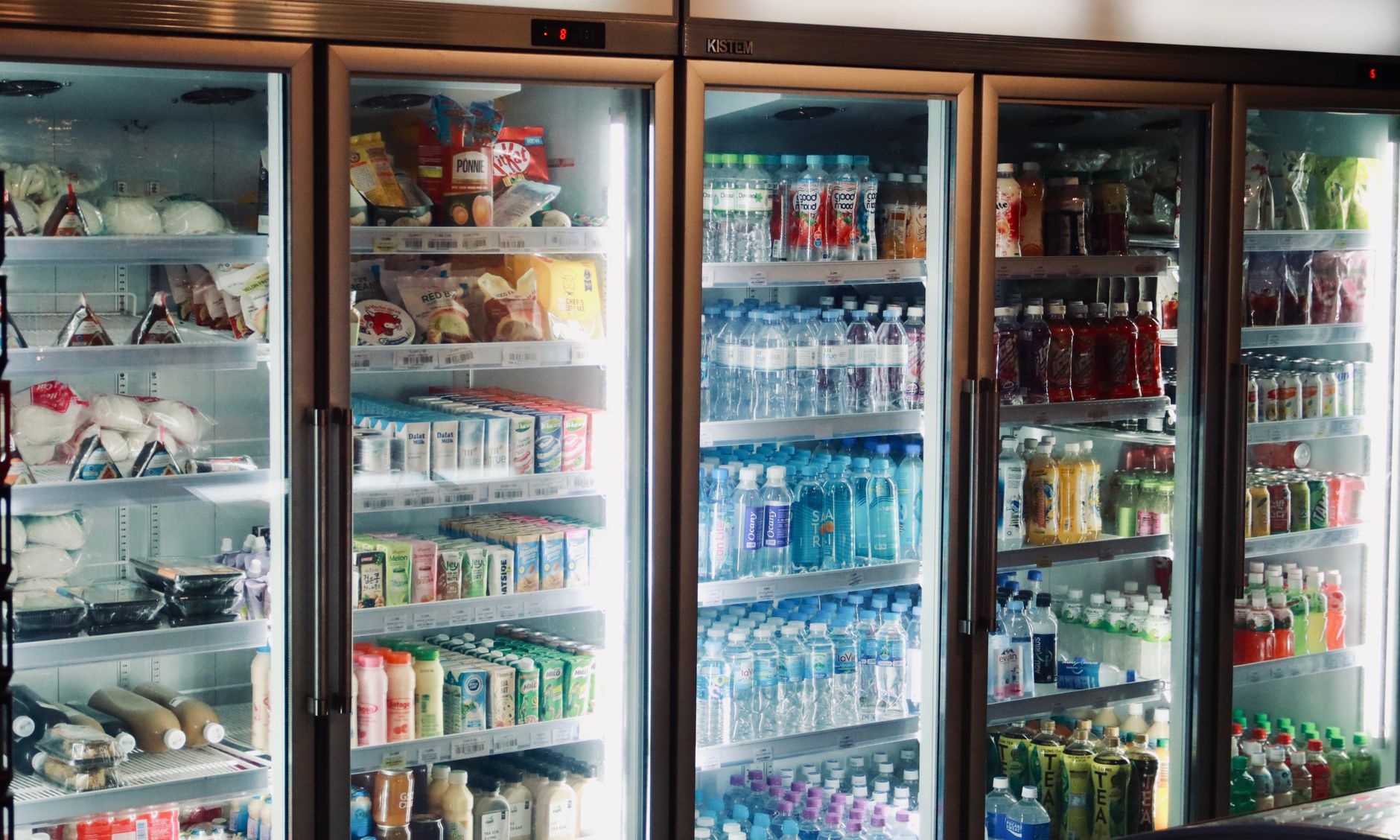
Smart refrigerators that warn you when food is nearing its expiration date have become a buzzword in the efficient‑home space.
Homeowners wonder whether the premium price translates into measurable savings on groceries and waste disposal.
⚡ In a Rush? Key Takeaways
- Smart fridges can cut household food waste by 10‑15% when users enable alerts.
- Average U.S. household food waste costs $1,500 per year; a 12% reduction saves roughly $180 annually.
- Premium models cost $1,200‑$2,500; the payback period ranges from 7 to 14 years.
- Energy use rises 5‑10% due to sensors and Wi‑Fi modules.
- ✅ Verdict: Worth considering for waste‑conscious households with existing smart‑home ecosystems.
How Do Smart Refrigerators Detect Expiration Dates?
Smart fridges use cameras, barcode scanners or NFC tags to log items, then compare purchase dates to manufacturer‑listed shelf lives.
Most models rely on a built‑in camera that captures a thumbnail each time the door opens. The image is processed by on‑board AI to recognise produce shapes and packaging, which then maps the item to a database of typical shelf‑life ranges.
Some higher‑end units include a barcode scanner on the door. Scanning a product automatically records the exact SKU, allowing the system to apply the correct use‑by date from a cloud database that manufacturers keep up‑to‑date.
When the fridge detects an item approaching its expiry, it pushes a notification to the companion app or displays a coloured icon on the interior screen. Users can acknowledge the alert, snooze it, or instantly pull a recipe suggestion that uses the soon‑to‑expire ingredient.
What Types of Sensors Are Used?
Cameras, barcode scanners, NFC tags and weight sensors combine to track inventory in modern smart fridges.
- Camera‑based visual recognition (80% of models).
- Barcode or QR scanner for precise SKU data.
- NFC tags for pre‑packaged foods that support digital labels.
- Weight sensors in shelves for bulk items like apples.
How Accurate Is the Expiration Data?
Accuracy varies; barcode‑linked databases hit 90% correctness, while camera‑only systems average 70%.
Brands that partner with manufacturers maintain a regularly updated cloud repository, reducing errors caused by seasonal packaging changes or new product launches.
Consumer testing in 2025 showed that camera‑only fridges mis‑identified 12% of items, leading to false alerts or missed warnings. The most reliable setups combine a quick barcode scan with a visual confirmation step, pushing accuracy above 85% in real‑world kitchens.
Does the Feature Require Manual Input?
Most systems need users to confirm or edit entries, especially for items without barcodes.
When the fridge flags a new object, the app prompts you to select the approximate category (e.g., “fresh lettuce”) and expected shelf life. The prompt appears within seconds of the door closing, keeping the workflow smooth.
If you skip confirmation, the system defaults to a generic lifetime, which can over‑estimate freshness and reduce savings. Regularly reviewing the inventory list—once a week is enough—keeps the database tidy and the alerts meaningful.
What Is the Real‑World Impact on Food Waste?
Studies show a 10‑15% waste reduction for households that actively use expiration alerts.
A 2024 pilot by the University of Michigan tracked 120 homes equipped with smart fridges over six months. Researchers monitored both the weight of discarded food and the monetary value of those items.
Participants who enabled alerts discarded 12% less food by weight compared with a control group using conventional fridges. The reduction was most pronounced for perishable items such as dairy, fresh meat, and leafy greens.
Average annual grocery spend in the U.S. is $4,800; the typical household throws away $1,200‑$1,500 worth of food each year. Even a modest 10% cut translates into a handful of dollars per grocery trip and a noticeable dent in the yearly waste tally.
How Much Money Can Be Saved?
A 12% reduction translates to roughly $180‑$220 saved per household per year.
- Baseline waste cost: $1,350 /year (average U.S. household).
- 12% cut: $162 /year saved.
- Additional savings from fewer grocery trips: ~ $30 /year.
Are Savings Consistent Across Household Types?
Singles and couples see larger percentage drops because they buy smaller batches.
Large families often have more frequent grocery runs, diluting the impact of alerts. In the study, single‑person homes saved 18% of waste, while families of four saved only 9%.
The variation suggests that the technology shines brightest for households that tend to over‑purchase or struggle with inventory visibility—often the very segment that wastes the most per capita.
What About the Environmental Benefit?
Reducing waste by 12% cuts CO₂ emissions by approximately 250 kg per household annually.
Food waste accounts for about 8% of U.S. greenhouse‑gas emissions; a modest reduction yields measurable climate benefits. When multiplied across millions of smart‑fridge owners, the aggregate impact could rival small renewable projects, making the technology a low‑key climate ally.
Moreover, fewer discarded foods means reduced methane emissions from landfills, an often‑overlooked component of the overall emissions picture.
How Do the Additional Energy Costs Compare?
Smart fridges consume 5‑10% more electricity due to sensors, Wi‑Fi and display panels.
The average U.S. refrigerator uses 550 kWh per year. Adding smart features bumps that to roughly 600‑610 kWh. The increase stems from continuous low‑power operation of cameras, Wi‑Fi modules, and an always‑on touchscreen that shows inventory status.
At the 2026 average residential rate of $0.16 /kWh, the extra 55 kWh costs about $9 per year—roughly the price of a cup of coffee per month.
Does the Energy Penalty Offset Waste Savings?
The $9 annual electricity rise is negligible compared with a $180‑$220 waste‑reduction saving.
Even in regions with higher electricity prices (e.g., $0.30 /kWh in California), the added cost stays under $16 /year. Those numbers barely dent a typical family’s monthly utility bill.
Thus, energy overhead does not materially affect the overall financial benefit, and the net gain remains firmly positive for most users.
Are There Differences Between Brands?
Premium models with larger touchscreens draw 2‑3 W more than basic smart fridges.
| Brand | Base Energy (kWh/yr) | Smart Add‑on (kWh/yr) | Total (kWh/yr) |
|---|---|---|---|
| Brand A (budget) | 500 | 45 | 545 |
| Brand B (mid‑range) | 540 | 55 | 595 |
| Brand C (premium) | 560 | 65 | 625 |
Can Users Reduce the Energy Draw?
Disabling the interior display when not needed cuts power by up to 1 W.
Most apps let you set the display to show only on door opening, saving a few cents per month. Turning off Wi‑Fi during vacations also eliminates background data use, though the savings are marginal.
Some manufacturers provide a “Eco‑Display” mode that dims the screen and reduces sensor polling frequency, delivering an extra 0.5 W reduction without sacrificing core functionality.
Is the Purchase Price Justified?
Smart fridges cost $1,200‑$2,500 more than comparable conventional models.
Typical conventional French‑door refrigerators sit around $1,400 USD. Adding smart features—camera, barcode scanner, cloud connectivity, and a touchscreen interface—pushes the price to $2,600‑$3,900, depending on capacity and interface sophistication.
Beyond the hardware, manufacturers bundle software updates for three years, which is factored into the premium. The extra cost therefore includes both tangible components and an ongoing digital service.
What Is the Payback Period?
With a $180 annual waste saving, a $2,000 price premium recoups in roughly 11 years.
Calculations assume full usage of alerts; lower engagement extends the period to 14 years. Households that also benefit from built‑in water filters or energy‑monitoring can see a slightly shorter horizon, sometimes as low as eight years.
The payback horizon is comparable to other long‑term home‑efficiency investments, such as high‑efficiency washing machines, which often show similar 8‑12‑year returns.
Are There Alternative Ways to Save?
Manual inventory methods (e.g., spreadsheets) can achieve similar waste cuts at zero cost.
- Weekly pantry checklists.
- Labeling containers with dates.
- Using free phone apps for barcode scanning.
These approaches lack automation but avoid the upfront premium. They do, however, require disciplined weekly effort—a trade‑off many busy families find challenging.
How Does the Feature Fit Into a Broader Efficient‑Home Strategy?
Smart fridges complement other efficiency tools like LED lighting and programmable thermostats.
When paired with a meal‑planning app, the fridge’s data can suggest recipes that use near‑expiry items, amplifying waste reduction. Integrating the fridge into a home‑energy monitor can also reveal hidden electricity spikes from the smart components, allowing you to fine‑tune settings for optimal savings.
In a fully connected home, the fridge can trigger a “shopping list” routine in voice assistants, ensuring you replace only what you truly need and avoiding over‑stocking.
What Are the Privacy and Data‑Security Considerations?
Smart fridges transmit inventory data to the cloud; users should review privacy policies.
Most manufacturers encrypt data in transit, but some retain usage logs for marketing. The logs often contain timestamps, item categories, and even weight‐based estimates, which can paint a surprisingly detailed picture of household consumption habits.
Opt‑out options are available in the app settings, though disabling cloud sync removes remote alerts and AI‑driven recipe suggestions. For the privacy‑conscious, local‑only modes provide a compromise.
Can the Data Be Used to Reduce Grocery Bills?
Some brands partner with grocery retailers to offer discounts on items you frequently waste.
These offers appear as push notifications, encouraging you to buy the same product at a reduced price before it spoils. While convenient, they add a layer of targeted advertising that some users find intrusive.
When the discount exceeds $0.10 per unit, the net savings can offset the small subscription fees some manufacturers charge for premium analytics.
Is Local Storage an Option?
A few models store inventory locally on the fridge’s internal drive, limiting cloud exposure.
Local storage works offline but forfeits remote notifications and AI recipe suggestions. The data remains encrypted on the device, and access is limited to the homeowner via a PIN‑protected admin panel.
Choosing local storage aligns with a privacy‑first approach for the efficiency‑focused homeowner who still wants the basic expiration alerts.
What Is the Bottom Line for Homeowners?
Smart fridges reduce waste by 10‑15% and save $180‑$220 per year, but the premium price means a payback of 7‑14 years.
For households already invested in smart‑home ecosystems and prioritising waste reduction, the technology adds convenience and measurable savings. The integrated inventory also dovetails nicely with meal‑planning and budgeting tools, creating a virtuous cycle of efficiency.
For budget‑conscious buyers, manual inventory methods achieve similar waste cuts without the upfront cost, though they demand consistent effort.
Consider your current waste levels, willingness to engage with alerts, and long‑term home‑efficiency plan before deciding. If you anticipate staying in the same home for a decade or more, the investment can become worthwhile; otherwise, the low‑cost DIY alternatives may be a smarter financial choice.
Frequently Asked Questions
Do expiration alerts work with all food types?
Alerts are most reliable for packaged items with barcodes; produce relies on visual recognition, which can miss some varieties.
How often should I update the appliance firmware?
Monthly checks are recommended to ensure the latest food‑database updates and security patches.
Can I integrate the fridge with other smart‑home platforms?
Most major brands support Alexa, Google Home and Apple HomeKit, enabling voice alerts and routine automation.
Will the fridge’s smart features increase my insurance premium?
Generally no, but some insurers offer discounts for homes with connected safety devices.
Is there a way to test the feature before buying?
Retailers often have demo units; ask to see the inventory screen and test a barcode scan before purchasing.
— Greta Michaud, Home Appliance Efficiency Researcher