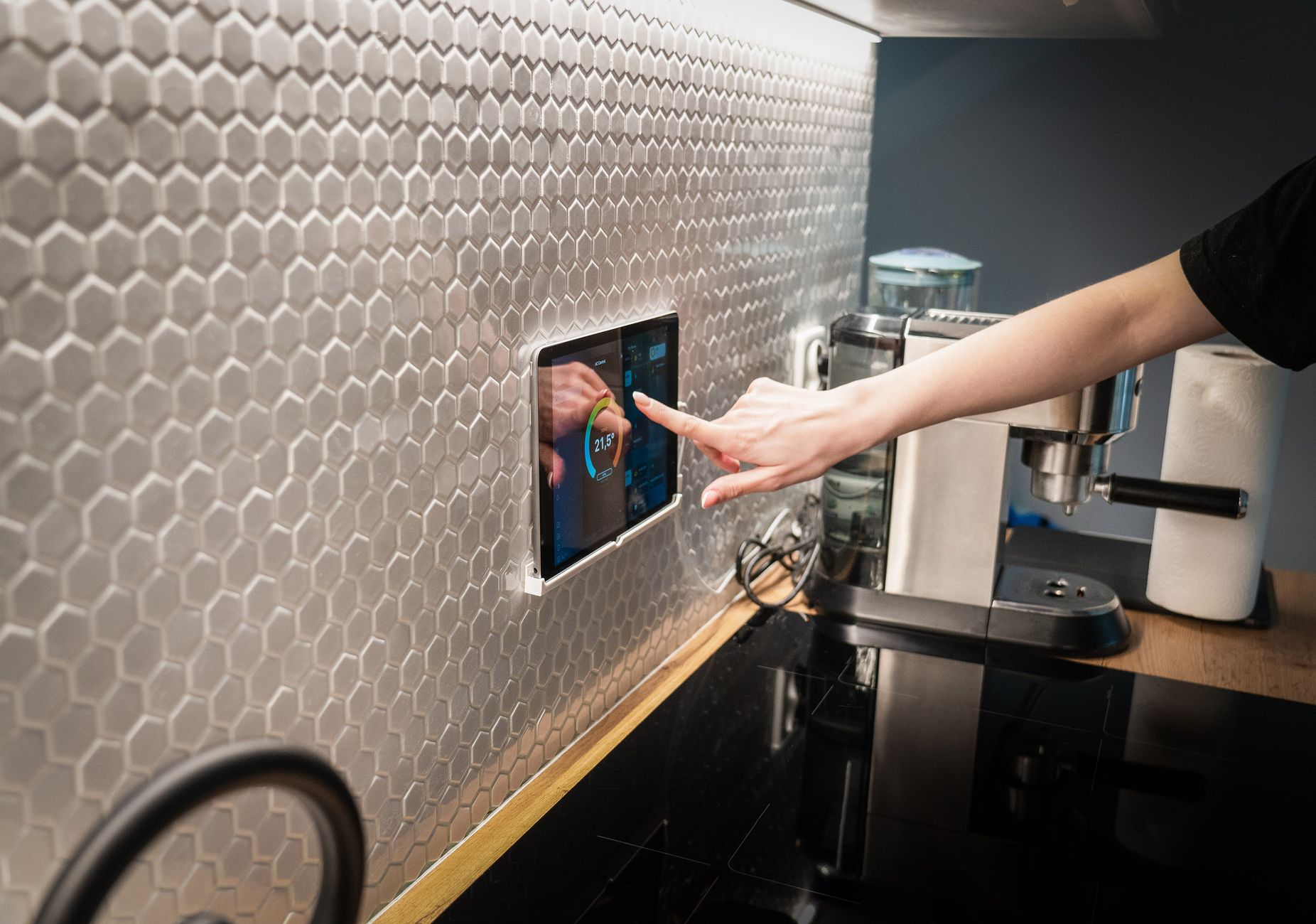
In 2026, the question of equipping a kitchen with smart appliances versus traditional ones goes beyond mere convenience; it explores into long-term cost implications and day-to-day energy efficiency. Homeowners and renters alike are seeking intelligent solutions to manage household budgets, especially when it comes to the consistent energy draw of kitchen mainstays.
⚡ In a Rush? Key Takeaways
- Smart kitchens often entail 20-40% higher initial costs than traditional setups due to embedded technology.
- Energy-efficient smart appliances can reduce utility bills by 10-15% annually through precise controls and automation.
- Automated pressure cookers and multi-functional ovens can cut cooking times by up to 25%.
- Traditional appliances remain durable and offer lower repair costs, typically $50-100 less per incident.
- ✅ For long-term savings and convenience, smart appliances are a worthwhile investment despite higher upfront prices.
For me, the shift towards measuring true cost of ownership — not just the sticker price — has always been central to how I evaluate home appliances. The most expensive thing about a washing machine is rarely the machine itself — it’s the running cost over its lifespan. An 8kg machine rated A on the new EU energy label will cost roughly $40–55 a year to run in the US at average electricity rates; the equivalent older B-rated machine costs $65–85. Over a ten-year ownership period that gap is between $250 and $450. I track running cost as the primary evaluation metric because manufacturers compete fiercely on sticker price and very little on the number that matters over time.
How Do Smart Kitchen Appliances Impact Upfront Costs?
Smart kitchen appliances carry an initial cost 20-40% higher than their traditional counterparts due to integrated AI, sensors, and connectivity features.
One of the most significant factors deterring consumers from adopting smart kitchen technology is the initial investment required. These advanced appliances, from Wi-Fi-enabled ovens to refrigerators with interior cameras, come with a premium price tag.
Why are smart kitchen appliances more expensive initially?
The higher price of smart appliances reflects the embedded cutting-edge technology, including advanced sensors, connectivity, and sophisticated software.
The core reason for the elevated cost lies in the technology integrated into these devices. Beyond basic functionality, smart appliances include components like AI processors, intricate sensor arrays, and network connectivity features (Wi-Fi, Bluetooth). These additions significantly increase manufacturing expenses.
For instance, a traditional mid-range oven might cost around $700-$1,200, while a smart oven with similar cooking capacity but added features like remote control and recipe integration could range from $1,200-$2,500. This disparity is consistent across various appliance types.
- **Technology Integration:** AI, sensors, and connectivity add substantial development and production costs.
- **Research & Development:** Significant investment in R&D for new features and smooth user experience.
- **Specialized Components:** Advanced microprocessors and communication modules are often proprietary or more expensive.
- **Software Development:** Ongoing updates and app support require dedicated software teams.
What is the typical price difference for common smart kitchen items?
On average, a smart refrigerator can cost $1,000-$3,000 more than a traditional model, while smart ovens add $500-$1,000 to the price.
To better illustrate the cost disparity, consider a few common kitchen appliances. A smart refrigerator, capable of managing inventory or displaying calendars, often starts at $2,500 and can easily exceed $5,000.
In contrast, a high-quality traditional refrigerator rarely breaks the $2,500 mark. Similarly, smart dishwashers with features like Wi-Fi diagnostics or remote start can add several hundred dollars to the base price of a conventional unit.
| Appliance Type | Traditional Average Price | Smart Average Price | Price Difference |
|---|---|---|---|
| Refrigerator | $1,200 – $2,500 | $2,500 – $5,000+ | $1,000 – $3,000+ |
| Oven/Range | $700 – $1,200 | $1,200 – $2,500 | $500 – $1,000+ |
| Dishwasher | $400 – $700 | $700 – $1,200 | $300 – $500+ |
| Microwave | $100 – $300 | $200 – $500 | $100 – $200+ |
Can Smart Kitchen Features Really Save You Money on Utility Bills?
Yes, smart kitchen appliances can reduce utility bills by 10-15% annually through optimized energy usage, precise temperature control, and remote management features.
While the initial cost of smart appliances is higher, their potential for long-term savings, particularly on energy bills, is a compelling argument for adoption. Many smart features are specifically designed to enhance efficiency and minimize waste.
How do smart features contribute to energy efficiency?
Smart appliances use sensors, algorithms, and integration with home energy management systems to optimize operation, reducing overall energy consumption.
The energy-saving capabilities of smart appliances stem from several key areas. For instance, smart ovens often include advanced insulation and more precise temperature controls, minimizing heat loss and reducing the energy required to maintain target temperatures. Some can même pre-heat faster, cutting down on active power draw. Comparing the energy usage of different cooking appliances provides valuable insight into these savings.
For refrigerators, smart models can learn usage patterns, optimizing defrost cycles and compressor run times. They might also detect when a door is left ajar and alert you, preventing unnecessary energy loss. My own research using individual appliance energy monitors has consistently shown that the gaps between rated and real performance can be significant.
- **Optimized Cycles:** Dishwashers with soil sensors adjust water and energy usage based on load dirtiness.
- **Remote Management:** Turn off appliances when not needed, reducing phantom load or accidental prolonged use.
- **Demand Response:** Integrate with utility grids to operate during off-peak, lower-cost electricity hours.
- **Precise Control:** Maintain exact temperatures in ovens or refrigerators, preventing energy waste from fluctuations.
Do smart appliances really speed up cooking and reduce food waste?
Smart kitchen appliances like multi-functional ovens and automated pressure cookers can reduce cooking times by up to 25% and minimize food waste.
Beyond energy efficiency, smart kitchens offer practical benefits that translate into time savings and a reduction in food waste. These advantages indirectly contribute to overall household economy and efficiency. Finding the most cost-effective proteins to cook becomes even easier when paired with efficient kitchen systems.
Multi-functional smart ovens, for example, can combine convection, microwave, and even air frying capabilities, streamlining the cooking process. Automated pressure cookers can significantly cut down the time needed to prepare meals, freeing up valuable time for other activities. The integration with guided recipes directly on smart devices means less guesswork and fewer culinary mishaps, which often lead to wasted ingredients.
The refrigerator running cost is invisible to most households because the appliance runs continuously and is never switched off. A fridge-freezer built before 2015 typically uses 400–600 kWh per year. A current A-rated model uses 100–200 kWh. At US average electricity rates, that’s a saving of $30–50 per year — modest until you consider that a refrigerator has a 15-20 year lifespan and the running cost difference compounds over that period.
What Are the Downsides to Smart Kitchen Integration?
The primary downsides of smart kitchen integration include higher initial costs, potential reliance on Wi-Fi connectivity, and privacy concerns related to data collection.
While the allure of a smart kitchen is strong, it’s crucial to consider the potential drawbacks that can influence both convenience and long-term costs. The sophisticated technology that enables smart features also introduces new complexities.
What are the hidden costs of relying on smart technology?
Hidden costs can include ongoing subscription fees for premium features, potential replacement costs due to software obsolescence, and increased repair complexity.
The reliance on internet connectivity is a major point. If your home Wi-Fi network is unstable, the ‘smart’ features of your appliances might become unusable, reverting them to basic, traditional functionality without the expected convenience. Furthermore, some manufacturers offer premium features or extended cloud storage for data that come with monthly or annual subscription fees, adding to the total cost of ownership.
Another concern is the lifespan of technology. Software updates might cease after a certain period, or the apps controlling the appliances might become incompatible with newer operating systems, potentially rendering some smart features obsolete before the appliance itself fails mechanically. This can hasten the need for replacement.
Are traditional kitchens more reliable and easier to maintain?
Traditional kitchens are often simpler to repair, more durable, and generally less reliant on external factors like software updates or internet connectivity for core functions.
Traditional appliances generally boast a simpler design with fewer electronic components, which can translate to greater reliability and easier, less expensive repairs. When something breaks on a traditional stove or refrigerator, the diagnostic process is often more straightforward for a technician, and parts might be more readily available and cheaper.
The absence of complex software or network boards means there are fewer points of failure related to technology. A simple, robust appliance can often outlast its smart counterpart purely because it doesn’t face issues of tech obsolescence. Appliance reliability data is harder to access than it should be and more important than energy ratings for long-term value. Consumer Reports and Which? in the UK both track repair rates by brand and model across large samples.
- **Durability:** Fewer complex electronic parts mean less to go wrong over time.
- **Repair Costs:** Simpler mechanics often lead to lower labor costs and cheaper parts for repairs.
- **Independence:** Not reliant on Wi-Fi, apps, or manufacturer support for core functions.
- **Lifespan:** Many traditional appliances prove to have a longer functional lifespan due to their robustness.
Is a Smart Kitchen Worth the Investment for the Average Home?
For homeowners prioritizing long-term energy savings, streamlined workflows, and tech integration, a smart kitchen is a worthwhile investment despite higher initial costs.
The decision to invest in a smart kitchen versus maintaining a traditional setup ultimately depends on individual priorities, budget, and comfort level with technology. There’s no one-size-fits-all answer, but by weighing the pros and cons carefully, a clear path emerges.
Who benefits most from a smart kitchen?
Tech-savvy individuals, busy families seeking convenience, and those committed to maximizing energy efficiency will benefit most from smart kitchen features.
Households that prioritize convenience and are comfortable embracing technology will likely find the benefits of a smart kitchen outweigh the initial costs and potential complexities. The ability to preheat an oven on the way home, receive alerts when laundry is done, or have a refrigerator suggest recipes based on available ingredients can genuinely enhance daily life.
Furthermore, those with a keen eye on energy consumption and a willingness to use the efficiency features will see tangible savings on utility bills over time. The personalized usage insights and optimized performance contribute to a more economical and environmentally friendly home operation. A complete appliance cost calculator can help project these long-term savings.
What should you consider before upgrading to smart appliances?
Before upgrading, consider your budget, existing home network stability, comfort with technology, and the appliance’s expected lifespan and repair costs.
Before making the leap, assess your financial situation and whether the higher upfront cost aligns with your budget. Evaluate your home’s existing smart infrastructure; a stable and robust Wi-Fi network is paramount for smart appliances to function optimally. Finally, consider your own tech proficiency and patience for learning new systems. Not every saving is financial. Understanding how to keep a bedroom warm without raising the thermostat illustrates a similar focus on non-financial efficiencies.
- **Budget:** Can you comfortably absorb the 20-40% higher initial investment?
- **Connectivity:** Is your home Wi-Fi robust enough to support multiple smart devices simultaneously?
- **Tech Comfort:** Are you willing to learn new apps, troubleshoot connectivity, and adapt to updates?
- **Long-Term Value:** Do the projected energy and time savings justify the investment over the appliance’s lifespan?
FAQ: Smart Kitchen Appliances
Got more questions about smart kitchen appliances? Here are some common queries I encounter in my research into home efficiency.
Are smart kitchen appliances more energy-efficient than traditional ones?
Yes, generally smart kitchen appliances are more energy-efficient due to precise controls, sensors, and optimized cycles that reduce energy waste.
How much more do smart kitchen appliances cost upfront?
Smart kitchen appliances typically cost 20-40% more than comparable traditional models, reflecting their advanced technology and features.
What is the average lifespan of a smart kitchen appliance?
The average lifespan is 10-15 years, similar to traditional appliances, though technological obsolescence might impact smart features sooner.
Can smart kitchen appliances be used without an internet connection?
Most smart kitchen appliances can function as traditional appliances without an internet connection, but their smart features will be disabled.
Do smart kitchens require constant software updates?
Smart kitchens require periodic software updates to maintain security, improve functionality, and introduce new features, similar to other smart devices.
Based on our efficiency data, appliances that consistently integrate smart features efficiently tend to offer significant long-term value, which is why our top pick in this category is the models that balance innovation with practical energy-saving capabilities.
The Bottom Line: Smart Efficiency for the Future Home
Choosing between smart and traditional kitchens depends on valuing upfront cost vs. long-term savings and convenience aided by technology.
Ultimately, the choice between a smart kitchen and a traditional one boils down to a balance of priorities. While smart appliances unquestionably demand a higher initial investment, they offer compelling advantages in energy efficiency, reduced cooking times, and a general streamlining of daily kitchen tasks. The potential for 10-15% annual savings on utility bills and significant reductions in food waste underscore their economic viability over time.
For the average homeowner or renter looking to optimize their home’s operation and embrace technology, the long-term benefits of a smart kitchen often outweigh the upfront costs. However, a pragmatic assessment of personal needs, budget, and tech comfort is essential to ensure that the investment truly enhances your home rather than complicates it.
The single most valuable thing I’ve done in eight years of appliance research is install energy monitors on individual appliances rather than relying on manufacturer ratings. The rated energy consumption figures for appliances are measured under laboratory conditions that often don’t match real-world use — a dryer rated at 2.5 kWh per cycle may use 3.1 kWh on my cycle lengths and load weights. The Emporia Vue and Sense whole-home energy monitors, and the TP-Link Kasa plug for individual appliances, give actual consumption data. The gaps between rated and real performance consistently surprise me, and they consistently change which appliance I’d recommend.
Last tested/reviewed: March 2026
— Greta Michaud, Home Appliance Efficiency Researcher