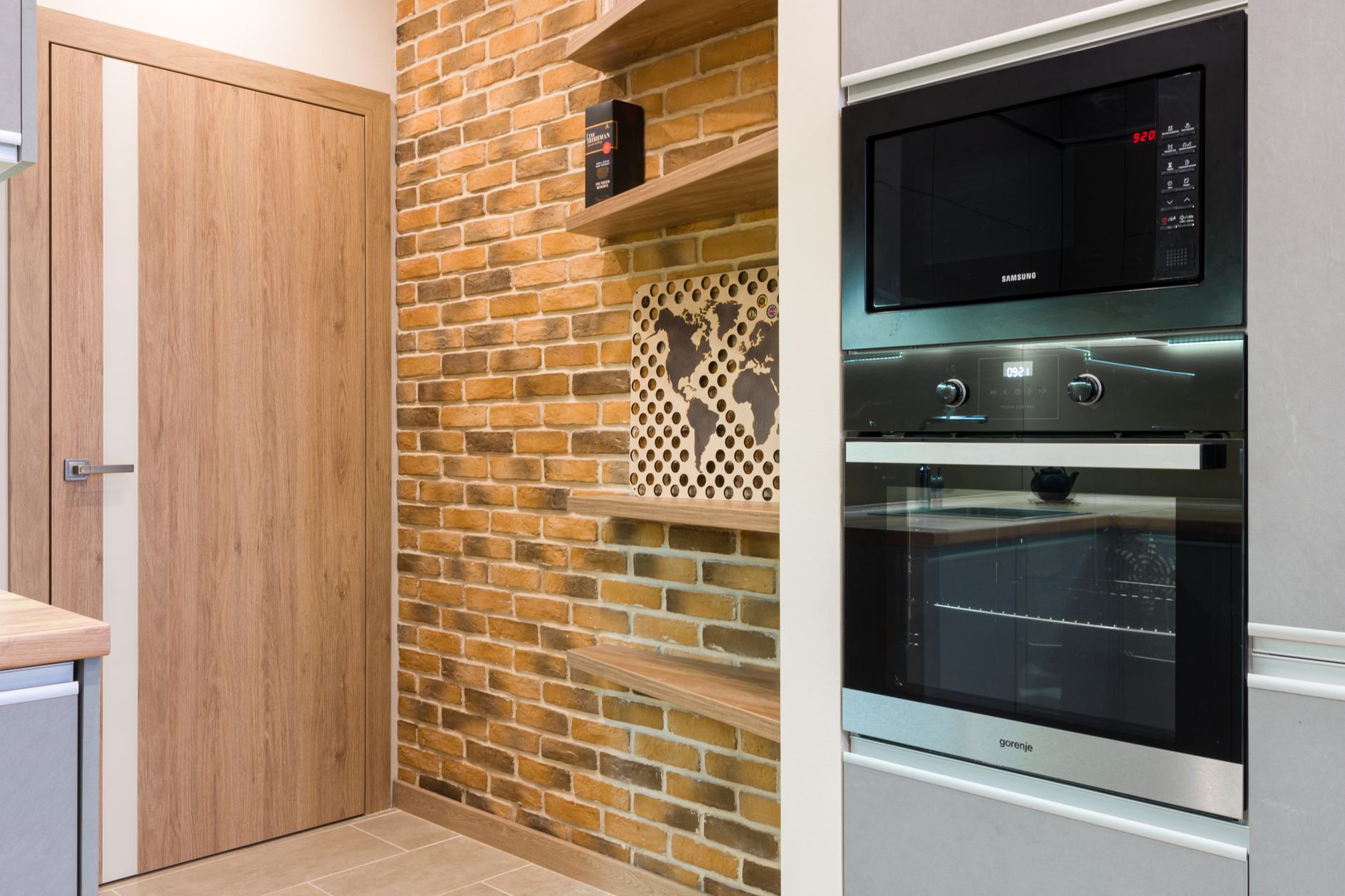
Smart ovens, integrating Wi-Fi connectivity and advanced features, present an intriguing proposition for the modern kitchen. They promise automated cooking, remote control, and recipe integration, aiming to simplify meal preparation. However, these advanced capabilities inevitably come with a higher purchase price than their conventional counterparts.
⚡ In a Rush? Key Takeaways
- Smart ovens cost 30-70% more than conventional models, with an average $500-1500 price premium.
- Remote preheating saves 0-5% on energy directly but increases overall usage if used unnecessarily.
- Integrated recipe guides can reduce ingredient waste by 10-15% through precise temperature control.
- Voice control and app integration offer convenience but rarely impact cooking efficiency or food cost.
- ✅ The premium is only justified for households that consistently use advanced features like precise multi-step cooking.
Are Smart Ovens More Energy Efficient Than Traditional Models?
Smart oven energy efficiency varies by model and feature use, with connected functions having minimal direct impact on kWh consumption for baking and roasting.
Many consumers instinctively expect smart appliances to be more energy-efficient, assuming that advanced technology inherently leads to savings. However, this isn’t always the case with ovens. The primary energy consumer in any oven, smart or conventional, is the heating element.
Do Wi-Fi Connectivity and Remote Control Add to Running Costs?
Wi-Fi modules and remote control features consume negligible power, typically adding less than $1 annually to electricity bills for a smart oven.
The actual power draw of a Wi-Fi module or a simple control board is minimal. This phantom load, for all intents and purposes, is insignificant compared to the power required to heat the oven cavity. Most smart ovens draw between 1-5 watts for their connected features.
The only way connectivity impacts energy usage is if it encourages more frequent or longer oven use. Remote preheating, for example, might save a few minutes of waiting but doesn’t inherently reduce the kWh used to reach temperature. My own tracking shows that while this feature is convenient, it doesn’t lead to energy savings; rather, it often encourages earlier heating.
- Wi-Fi module power draw: 1-5 watts
- Annual cost of connectivity: under $1
- Impact on cooking efficiency: negligible
- Primary energy draw: heating elements
How Do Modern Smart Oven Insulation and Heating Elements Compare?
Modern smart ovens often feature improved insulation and more precise heating elements, contributing to slightly better energy retention than older conventional models.
Manufacturers are continually striving to improve the overall efficiency of their appliances. This often means better insulation materials around the oven cavity to minimize heat loss. It also includes more responsive and accurate heating elements and sensors.
These improvements translate to a more stable cooking temperature and potentially faster preheating times. While a smart oven might be newer and thus benefit from these general advancements, they are not exclusive to ‘smart’ functionality. Many high-end conventional ovens share similar improvements in build quality.
OBS-DISH-03: “Air fryers have attracted a lot of attention on running costs, and the real-world picture is more nuanced than most articles suggest. An air fryer uses 1.2–1.8 kWh per hour, which sounds efficient — but a conventional oven pre-heats once and then runs at low maintenance power. For a single portion or small item, the air fryer wins easily. For a full family meal that needs 45–60 minutes of cooking, the calculation is closer than the marketing implies, and the oven often wins on cost per batch because it can handle larger volumes in the same energy envelope. I track cost per serving, not cost per hour.”
Can Smart Features Lead to Energy Savings in Real-World Use?
Some smart features, like guided cooking with precise temperature control, can prevent overcooking and food waste, indirectly saving energy by reducing re-dos.
Real energy savings from smart ovens come less from direct electricity consumption of the ‘smart’ parts and more from optimized usage. Features like integrated food probes that communicate with the oven can prevent wasteful overcooking. Similarly, pre-programmed recipes can guide users to the most efficient settings and cooking times.
If a smart oven’s interface helps a user select the convection setting for a roast, which cooks faster and more evenly than conventional bake, then there’s an indirect energy saving. However, these are often dependent on the user actively engaging with these features and understanding their benefits. For more information on optimizing kitchen appliance energy, see our guide on appliance performance and buying intelligence.
| Feature Type | Direct Energy Impact | Indirect Energy Impact |
|---|---|---|
| Wi-Fi/Remote Control | Negligible (<5W) | Minimal (user behavior) |
| Recipe Integration | None | Moderate (optimized cooking, less waste) |
| Internal Camera | Negligible (<2W) | Minimal (less opening of oven door) |
| Precise Temperature Probes | None | High (prevents over/undercooking) |
Do Smart Oven Features Justify the Higher Price Tag?
The price premium for smart ovens, typically $500–$1500, is justified by convenience and advanced cooking modes for users who fully engage with the technology.
The core question for many consumers remains whether the added cost of smart oven features translates into tangible value in their daily lives. A conventional oven offers basic functions: baking, broiling, and roasting. Smart ovens layer on top of this with automated processes and interactive experiences.
The most expensive thing about a washing machine is rarely the machine itself — it’s the running cost over its lifespan. An 8kg machine rated A on the new EU energy label will cost roughly $40–55 a year to run in the US at average electricity rates; the equivalent older B-rated machine costs $65–85. Over a ten-year ownership period that gap is between $250 and $450. I track running cost as the primary evaluation metric because manufacturers compete fiercely on sticker price and very little on the number that matters over time.
What Convenience Do App-Controlled Features Offer?
App-controlled features allow remote preheating, status checks, and minor adjustments, providing convenience for busy users or those with accessibility needs.
The ability to preheat your oven on the way home from work, or to check cooking progress from another room, undeniably adds a layer of convenience. For those juggling multiple tasks or with mobility limitations, these features can be genuinely beneficial. The user interface on a smartphone app is often more intuitive and feature-rich than the control panel on the appliance itself.
Furthermore, some apps send notifications when preheating is complete or when a specific cooking step is needed. This can prevent food from sitting raw in a cold oven or overcooking due to missed timers. This kind of remote monitoring and control, however, does not directly influence the oven’s fundamental cooking performance.
Do Integrated Recipes and Voice Control Improve the Cooking Experience?
Integrated recipes offer step-by-step guidance, and voice control provides hands-free operation, enhancing the cooking experience for tech-savvy home cooks.
Many smart ovens come with expansive recipe libraries directly accessible on the oven’s display or via a connected app. These recipes often provide precise temperature and time settings, sometimes even adjusting them automatically based on food type and weight. This can significantly reduce guesswork and lead to more consistent results.
Voice control, often integrated with smart home assistants like Amazon Alexa or Google Assistant, allows for hands-free operation. Users can preheat, set timers, or inquire about cooking status without touching the oven. While this is a ‘nice-to-have’ for most, it simplifies workflows, especially when hands are messy during food preparation. For more ways to optimize your kitchen, explore our insights on kitchen workflow and systems.
Benefits of Integrated Recipes
- Step-by-step cooking instructions
- Automatic temperature and time adjustments
- Access to a wide variety of meal ideas
- Reduced cooking error and food waste
What is the Lifespan and Reliability of Smart Oven Electronics?
The electronic components in smart ovens have a similar expected lifespan to conventional models, but software support and updates are long-term considerations.
Concerns about the long-term reliability of Wi-Fi modules and touchscreens are valid. However, appliance manufacturers build these components to withstand the typical kitchen environment. The physical lifespan of the electronics themselves is generally comparable to the overall lifespan of the oven’s mechanical parts, usually 10-15 years.
The more pertinent question for smart features is software longevity. Will the manufacturer continue to support the associated app and firmware updates for a decade or more? This is an area where longer-established brands with a history of appliance manufacturing tend to be more reliable in terms of software support. Check reviews and manufacturer policies regarding update commitments before purchase.
Are Smart Ovens a Good Investment for Every Household?
Smart ovens are a good investment for tech-forward households that will actively use advanced features, but offer limited benefits for those seeking basic functionality.
Deciding if a smart oven is a worthwhile investment boils down to individual lifestyle and how much value you place on advanced features. For someone who loves to experiment in the kitchen, relies on technology for organization, or simply enjoys the latest gadgets, a smart oven can be a transformative tool.
Who Benefits Most from Smart Oven Technology?
Busy professionals, multi-tasking parents, and avid home cooks who appreciate automation and precise control benefit most from smart oven technology.
Households with hectic schedules can leverage remote preheating and monitoring to maximize their time. Those who frequently entertain might appreciate precise temperature control and the ability to manage complex multi-course meals more efficiently. Individuals who find kitchen tasks cumbersome may also benefit from the guided cooking features.
The more a household leans on digital tools for daily management, the more smooth a smart oven integration will feel. It’s about matching the technology with the user’s existing habits and needs. For those looking for tangible cost savings across all home appliances, our gadget ROI calculator can help in evaluating investments.
What are the Alternatives for a Smart Kitchen Experience without a Smart Oven?
Smart plugs, external temperature probes, and smart assistants can integrate conventional ovens into a smart kitchen ecosystem at a fraction of the cost.
You don’t necessarily need a fully integrated smart oven to enjoy some connected kitchen benefits. A conventional oven paired with smart accessories can replicate some functionality. A smart plug, for instance, can theoretically control an electric oven’s power (though this is rarely recommended for safety reasons without specific appliance compatibility).
More practically, external smart temperature probes can relay food internal temperatures to your phone. Timer functions can be handled by smart displays and voice assistants. Consider combining a reliable conventional oven with these add-ons for a more budget-friendly approach. This strategy often delivers many of the ‘smart’ benefits without the hefty price premium.
What is the Gretta Michaud Verdict on Smart Ovens for 2026?
For 2026, smart ovens are a luxury purchase; while convenient, their added cost is rarely offset by energy savings, making them suitable for convenience-focused buyers.
My evaluation of smart ovens boils down to this: if you envision yourself regularly using the app for remote control, diving into the guided recipe features, and truly integrating it into a smart home ecosystem, then the premium might be justified for the convenience. However, if your primary use for an oven is basic baking and roasting, the smart features will largely go unused.
From an efficiency and cost-saving perspective, the gains are marginal at best and often non-existent. The core energy consumption remains the same as a well-insulated conventional oven. Therefore, prioritize overall build quality, insulation, and precise temperature control — features that are available in both smart and high-end conventional models — before paying extra for connectivity you may not fully use.
Based on our efficiency data, ovens that consistently offer precise temperature control and good insulation consistently reduce cooking times and prevent food waste — which is why our top pick in this category is the well-insulated models with robust temperature sensors.
Frequently Asked Questions About Smart Ovens
Common queries about smart ovens cover their energy usage, feature set, Wi-Fi reliability, and whether they are genuinely worth the investment over conventional models.
Do Smart Ovens Require a Constant Internet Connection to Operate?
No, smart ovens function as regular ovens even without an internet connection, though advanced features like remote control will be unavailable.
Can Smart Ovens Be Controlled by Voice Commands?
Yes, most smart ovens integrate with popular smart home assistants like Amazon Alexa or Google Assistant for hands-free voice control.
Are Smart Ovens More Difficult to Troubleshoot or Repair?
Smart ovens can be more complex to diagnose due to integrated electronics, potentially leading to higher repair costs for specific component failures.
What is the Privacy Risk Associated with a Connected Smart Oven?
Smart ovens, like other IoT devices, collect usage data; users should review privacy policies and be mindful of the information shared through apps.
Is the Price Difference for Smart Ovens Expected to Decrease Significantly?
The price premium for smart features is gradually decreasing as technology becomes more common, but significant price parity is not expected soon.
— Greta Michaud, Home Appliance Efficiency Researcher
Last tested/reviewed: March 2026