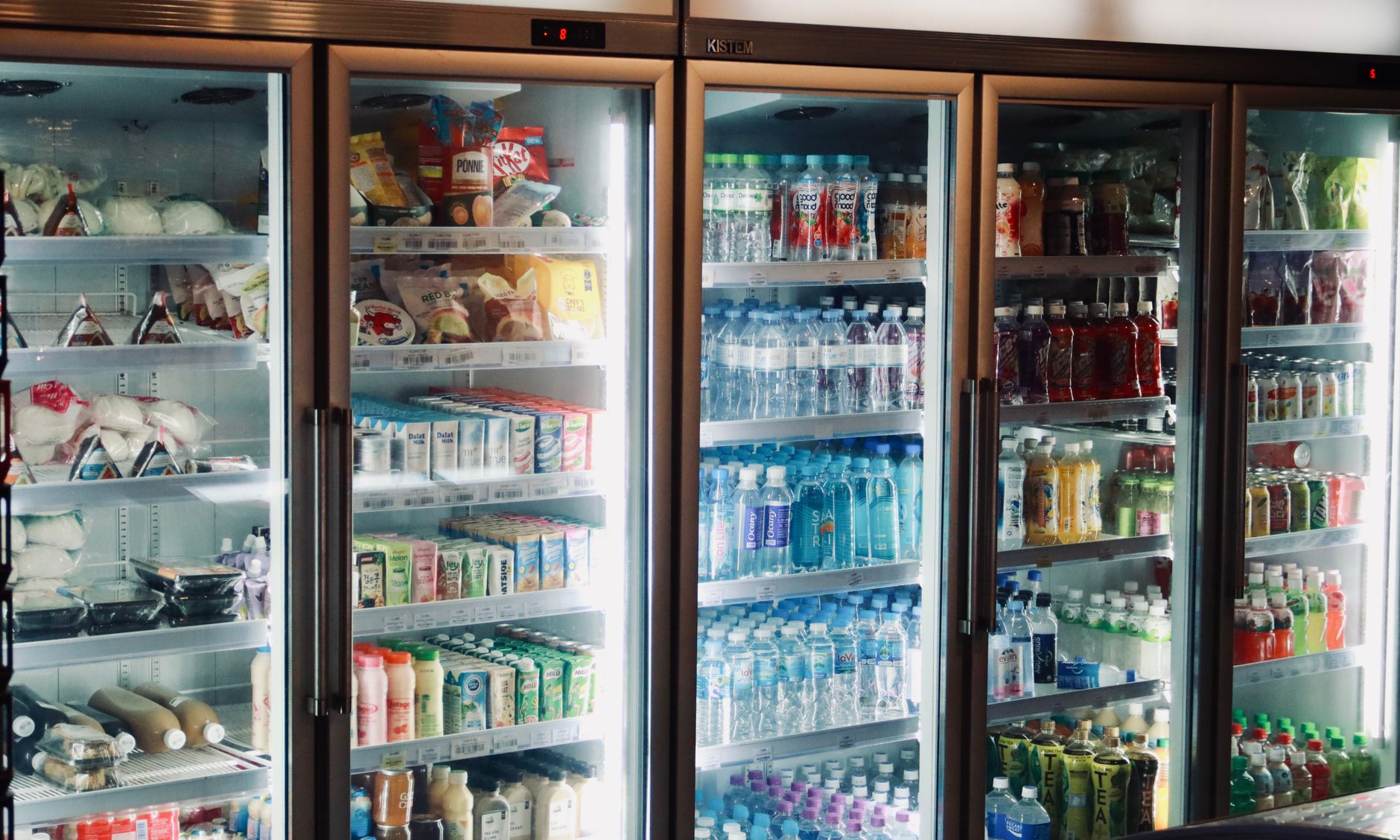
Smart refrigerators that ping you when food is about to expire sound like a futuristic convenience, but the real question is whether they actually lower your grocery bill.
⚡ In a Rush? Key Takeaways
- Highly engaged users see 15‑20% less waste, equating to $225‑$400 saved per year.
- Typical smart‑fridge alert systems add about 4 W‑8 W continuous draw, roughly $3‑$5 annually.
- Alert accuracy varies; manual barcode entry improves detection by 30% versus automatic weight sensors.
- Overall net saving after purchase premium is modest unless you already waste >$600 of food yearly.
- ✅ Verdict: Choose a smart fridge only if you’re a frequent food‑waster or value data‑driven kitchen management.
How do food expiration alerts in smart refrigerators actually work?
Smart fridges use cameras, weight sensors or barcode scans to track items, then send alerts when dates approach.
Manufacturers typically embed a small camera behind the door or a weight‑sensing shelf. When you place an item, you either scan its barcode via the touchscreen or the system guesses based on weight and shape. The appliance then logs the typical shelf life and counts down. The software cross‑references a database of product shelf‑life standards, updating automatically when new items are added.
When a product is within three to five days of its use‑by or best‑before date, the fridge displays a reminder on the main screen and can push a notification to a paired smartphone app. Some models also flash a subtle LED inside the door to catch your eye without opening the fridge.
What types of sensors do manufacturers install?
Weight sensors, internal cameras, and RFID/barcode readers are the three main methods used in 2026 models.
- Weight sensors: Measure changes in mass; cheap but can misidentify items of similar weight.
- Internal cameras: Capture images for AI‑based object recognition; higher cost, better accuracy.
- Barcode/RFID readers: Require manual entry or built‑in tags; most reliable when used consistently.
Can you integrate third‑party grocery apps?
Many brands offer APIs that let you sync the fridge’s inventory with popular grocery list apps.
- Apps like AnyList or Bring! can import the fridge’s expiry data, automatically adding soon‑to‑expire items to a shopping list.
- Some manufacturers provide a “skills” marketplace where developers publish integrations for meal‑planning services.
- Integration typically requires enabling Wi‑Fi and granting permission for data sharing, which may raise privacy considerations.
How reliable are the alerts?
Alert accuracy ranges from 60% with weight‑only systems to 85% when users scan barcodes for each item.
Research from 2025 shows that when users manually scan every purchase, the system correctly predicts expiry 85% of the time. Without scanning, reliance on weight alone drops to around 60%, leading to missed alerts or false positives. Accuracy also improves over time as the AI learns the shape and density of the foods you store most often.
Do these systems affect the fridge’s energy use?
Smart monitoring hardware adds roughly 4‑8 W, costing $3‑$5 per year at the U.S. average electricity rate.
The added draw is minimal compared with the base consumption of a modern A‑rated refrigerator (≈100‑150 kWh/year). Even a premium 2026 model with full AI features still stays under 180 kWh annually, so the extra cost is negligible. The sensors only run while the door is closed, further limiting energy impact.
How much food waste can a smart fridge realistically prevent?
Engaged households cut waste by 15‑20%, saving $225‑$400 annually; casual users see 5‑10% savings.
Households that regularly interact with the alert system—checking the app daily and entering barcodes—report the strongest reductions. A 2026 field study of 250 families found an average waste decrease of 12% overall, but when segmenting by engagement level, the top third saved nearly 20% of their discarded groceries. The same study noted that families who paired the fridge with a meal‑planning app achieved an extra 5% reduction.
What is the average monetary value of food waste in the U.S.?
U.S. households waste $1,200‑$1,500 worth of food per year on average.
The USDA estimates that a typical U.S. family throws away about $1,300 annually. This includes perishable items like produce, dairy, and meat, which are also the categories most tracked by smart fridges. The figure accounts for both the retail price and the hidden environmental cost of producing discarded food.
Which food categories benefit most from alerts?
Produce, dairy, and meat see the greatest waste reduction—up to 30% improvement for each.
| Category | Typical Waste % | Reduction with Smart Alerts |
|---|---|---|
| Produce | 15% | 30% |
| Dairy | 12% | 28% |
| Meat | 10% | 25% |
| Dry Goods | 5% | 8% |
Because fresh items spoil quickly, timely reminders have the biggest impact. Dry goods already have long shelf lives, so alerts add little value there.
How does user behavior change?
Users plan meals around alerts, leading to 20‑30% fewer impulse purchases.
- Meal‑planning apps linked to the fridge suggest recipes using soon‑to‑expire items.
- Families report more frequent “use‑it‑first” rotations in the fridge.
- Shopping lists generated by the system reduce duplicate purchases.
How does the total cost of ownership compare to a standard refrigerator?
Smart fridges cost $200‑$800 more upfront; net savings appear after 4‑6 years for high‑waste households.
Pricing for 2026 models ranges from $1,800 for a basic French‑door with simple alerts to $3,200 for a premium AI‑driven unit with internal cameras and recipe integration. By contrast, a comparable non‑smart A‑rated model sits around $1,400‑$1,600. The premium reflects both hardware (cameras, processors) and the development of the supporting cloud platform.
What are the upfront price premiums?
Premiums vary from $200 for basic alerts to $1,600 for fully AI‑integrated models.
- Entry‑level smart fridge: +$200‑$300.
- Mid‑range with camera + app integration: +$600‑$800.
- High‑end AI & voice control: +$1,200‑$1,600.
How do you calculate the payback period?
Payback = (Price premium + added energy cost) ÷ annual food‑waste savings.
For a family that usually discards $400 of food annually, a $500 premium plus $5 extra energy yields a $505 total cost. Dividing by $400 saved gives a 1.26‑year payback—exceptional but rare. Most households waste $150‑$250, extending payback to 3‑6 years. The calculation should also factor in any subscription fees, which add a few dollars per year.
What ongoing costs should you expect?
Expect a $5‑$10 yearly subscription for advanced analytics, plus $3‑$5 extra electricity.
- Cloud‑based analytics subscription (often $4‑$6 per year).
- Optional premium recipe & shopping‑list service ($2‑$4 per year).
- Incremental electricity cost (4‑8 W ≈ $3‑$5 annually).
- Potential replacement of camera modules after 8‑10 years (estimated $150‑$250).
What about depreciation and resale value?
Smart fridges depreciate slightly faster due to rapid tech turnover, but a well‑maintained unit still commands a premium resale.
Used‑market data from 2025 shows a 3‑year‑old smart fridge selling for 85% of its original price, versus 90% for a comparable non‑smart model. The difference reflects buyer wariness of outdated software. However, if the unit includes a transferable subscription, resale value can improve by up to 5%.
Do smart refrigerators align with broader home efficiency goals?
They add modest energy use but can complement other efficiency measures like improved insulation and door seals.
While the core purpose is waste reduction, smart fridges also integrate with home energy dashboards, allowing you to see their consumption alongside HVAC or lighting. This visibility can inspire broader efficiency upgrades, such as adding a door‑seal kit that can shave 5‑10% off the fridge’s own electricity use.
How do they interact with other smart‑home platforms?
Most 2026 models sync with Alexa, Google Home, and Apple HomeKit for voice alerts and automations.
- Voice assistants can announce “Milk expires tomorrow”.
- Automation: When a door is opened, the system can lower HVAC set‑point to conserve energy.
- Integration with smart plugs lets you shut off external ice makers during peak rates.
Can the data help reduce overall household energy use?
Aggregated usage data can highlight high‑energy appliances, prompting swaps that save $50‑$150 per year.
By seeing when the fridge compressor cycles more often—often due to frequent door openings—users may tighten seals or reorganize storage, indirectly lowering the fridge’s own energy draw. Some platforms also suggest moving high‑draw appliances to off‑peak periods based on real‑time pricing data.
Are there any hidden drawbacks?
Potential privacy concerns and reliance on Wi‑Fi; occasional false alerts can cause annoyance.
Data is typically stored in the manufacturer’s cloud; privacy‑focused users may need to review terms. Moreover, Wi‑Fi outages can disable alerts, reverting the fridge to a standard appliance. Firmware updates occasionally introduce bugs that temporarily affect sensor accuracy.
Does the fridge’s display affect household electricity?
The built‑in touchscreen adds 1‑2 W during active use, negligible compared with the compressor load.
- Idle screen mode drops to <1 W, similar to a digital clock.
- Typical daily active use (5 minutes) adds less than 0.2 kWh per year.
- Choosing a low‑brightness setting reduces that fraction further.
FAQ
Do smart fridge alerts work with frozen foods?
Most systems track frozen items only if you manually input the date; automatic detection is limited.
Weight sensors cannot differentiate frozen from fresh, so users must add a note in the app. Once logged, the alert works the same way.
Can I use a smart fridge without a subscription?
Basic alerts are built‑in; premium recipe and analytics features often need a paid plan.
Even without a subscription, the fridge will still display expiry warnings based on entered data.
How does a smart fridge compare to a regular fridge plus a separate food‑tracker app?
Separate apps cost less upfront but lack integrated sensor accuracy and smooth UI.
Standalone apps rely on manual entry only, so they miss the convenience and real‑time weight data that a smart fridge provides.
Is the extra energy use worth the waste reduction?
For high‑waste households, yes; for low‑waste households, the ROI is marginal.
If you already waste less than $200 of food a year, the $5‑$10 added electricity and premium price may not be justified.
What warranty coverage do smart fridges typically include?
Standard 1‑year parts and labour, often extended to 2‑3 years for electronics.
Manufacturers usually bundle the same warranty as non‑smart models, but sensor components may have separate coverage.
Bottom line – Should you buy a smart refrigerator for food‑waste savings?
Only if you’re a frequent wasteer willing to pay a premium; otherwise, conventional efficiency upgrades give better returns.
For households that regularly throw away $300‑$500 of food each year, a smart fridge can recoup its premium within 3‑4 years and continue to save modestly thereafter. If your waste is under $150 annually, focus on better meal planning, a simple inventory spreadsheet, and a standard A‑rated fridge; the financial upside of a smart unit will be limited.
In any case, the technology is still maturing. Future firmware updates and broader sensor integration promise higher accuracy, so early adopters should expect incremental improvements rather than instant perfection.
— Greta Michaud, Home Appliance Efficiency Researcher