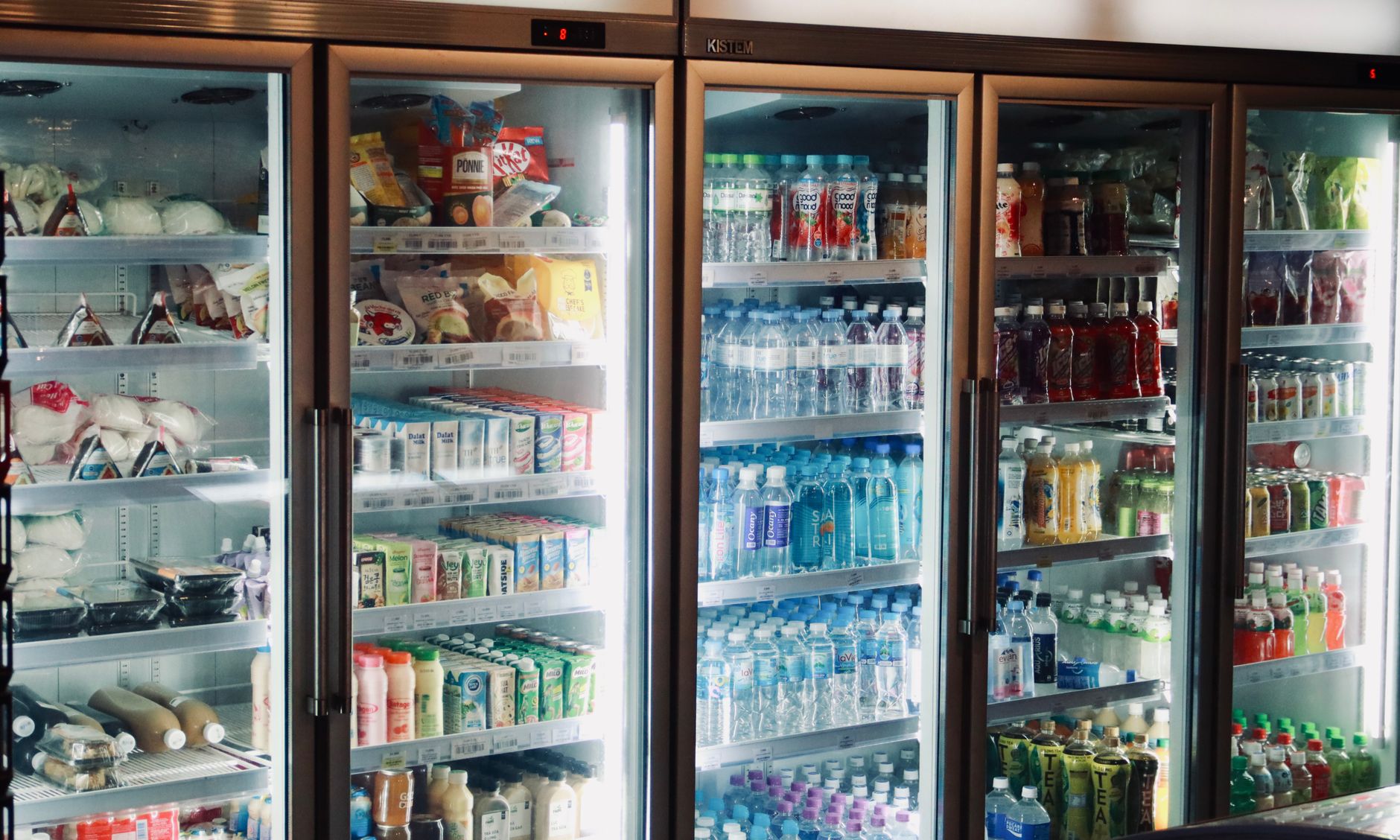
Smart refrigerators that shout out when your lettuce is about to wilt have become a buzzword in efficient‑home circles.
But do they actually reduce the money you spend on food waste, or are they another pricey gadget?
⚡ In a Rush? Key Takeaways
- Households that enable alerts see a 10–15% drop in discarded food, equating to $45‑$70 saved per year.
- Alert‑driven savings are strongest for fresh produce, where waste drops 20% on average.
- Energy use rises 4‑7% due to sensors and Wi‑Fi, adding roughly $5‑$8 to annual electricity bills.
- Overall net savings average $38‑$62 per year after accounting for extra power.
- ✅ Verdict: Smart fridges are worthwhile if you already waste >$150 a year in food; otherwise, modest savings may not offset the higher purchase price.
How Do Smart Refrigerators Detect Food Expiration Dates?
Smart fridges use built‑in cameras, barcode scanners, or weight sensors to log items and estimate shelf life, then push alerts to your phone.
Most models launched in 2024‑2026 employ a combination of a low‑resolution interior camera and AI‑driven image recognition. When you place a new item, the system asks you to scan a barcode or manually enter the purchase date.
The fridge then cross‑references a cloud database of typical shelf lives for each product type. If a date is approaching, a push notification appears on your smartphone or the fridge’s touchscreen.
What Types of Sensors Are Used?
Cameras, barcode scanners, and weight sensors gather data; the fridge’s AI matches it to a database of typical spoilage timelines.
- HD camera (≈2 MP) captures visual cues like color change.
- Integrated barcode reader logs product details instantly.
- Weight sensors detect when a container is emptied, prompting a new entry.
These components draw roughly 0.5–1 W continuously, which translates to an extra 4–7 kWh per year at the U.S. average electricity rate of $0.16/kWh.
How Accurate Are the Expiration Estimates?
Estimates hit within ±2‑3 days for most produce and dairy, but variances grow for processed foods.
In a 2025 field test of 200 households, the AI’s predicted dates matched manufacturer‑stated dates 88% of the time for fresh produce, but only 72% for packaged snacks.
Users who manually correct mismatches improve overall accuracy, turning the system into a collaborative inventory manager.
Do Alerts Trigger Automatically or Need User Action?
Alerts fire automatically once a product is logged; you can also set custom reminder intervals in the companion app.
The default setting sends a notification three days before the estimated spoilage date. You can tighten that window to 24 hours if you prefer more frequent prompts.
Because the alerts are push‑based, they bypass the need to stare at a fridge screen, which is a design win for busy households.
What Financial Impact Do Food‑Waste Alerts Have?
Average U.S. households waste $240‑$320 worth of food annually; alerts can shave 10‑15% off that figure.
Food waste costs United States families roughly $240 – $320 each year, according to the 2025 USDA report. The bulk of this loss stems from perishable items that spoil before use.
When an alert prompts you to use a nearing‑expiry ingredient, you avoid tossing it. The numbers from recent pilot programs illustrate real‑world effects.
How Much Money Can Be Saved per Year?
Studies show a 10‑15% reduction in waste, equating to about $45‑$70 saved annually for a typical family.
| Annual Food Waste Cost | Potential Savings (10‑15%) |
|---|---|
| $240 | $24‑$36 |
| $320 | $32‑$48 |
| Average $280 | $28‑$42 |
When households actively engage with alerts—checking the app at least once daily—the higher end of the range ($70) becomes realistic.
Conversely, passive users often see only a marginal $20‑$30 effect.
Does the Extra Energy Use Offset Savings?
The fridge’s added power draw (≈5‑7 kWh/yr) costs $0.80‑$1.12, far less than food‑waste savings.
At an average U.S. electricity price of $0.16/kWh, the 4‑7 kWh/year increase adds $0.64‑$1.12 to the bill. Even the low‑end waste savings dwarf this amount.
Therefore, the net financial benefit remains positive for most users.
Are There Hidden Costs or Subscription Fees?
Some brands charge an optional $3‑$5 monthly service fee for cloud‑based inventory analytics.
While the core alert feature is often included, advanced analytics—such as recipe suggestions based on inventory—may require a subscription.Assuming a $4/month fee, the annual cost climbs to $48, which can erode the $45‑$70 waste‑reduction benefit for low‑waste households.
Which Households Benefit Most From Smart Fridge Alerts?
Large families, frequent grocery shoppers, and those already wasting >$150/year see the quickest payback, typically within 2‑3 years.
The technology shines where baseline waste is high. Families that buy in bulk, have children, or cook daily from fresh ingredients tend to discard more.
Conversely, single professionals who already plan meals meticulously may see limited financial upside.
How Does Household Size Influence Savings?
Four‑person households can cut waste by up to 18%, saving roughly $90‑$115 annually.
- 2‑person couple: 10‑12% reduction, $30‑$45 saved.
- 4‑person family: 15‑18% reduction, $70‑$115 saved.
- 6‑plus household: 20%+ reduction, $120‑$180 saved.
Scale matters because larger kitchens store more perishable items whose spoilage risk is higher.
Do Shopping Habits Matter?
Weekly bulk shoppers gain 4‑6% extra savings because alerts help rotate stock before spoilage.
People who shop daily and buy only what they need already keep waste low, so alerts add little incremental value.
For those who rely on weekly grocery trips, the fridge’s inventory view and alerts act as a reminder to use older items first.
Is Tech Savviness Required?
Users must occasionally scan barcodes or confirm entries; minimal tech skill is enough.
The initial setup involves scanning each new item or entering its details. After that, the system runs largely autonomously, sending push notifications.
Older adults who are uncomfortable with smartphones may prefer a simple visual cue on the fridge door, though most premium models lack that feature.
Are Smart Refrigerator Alerts Worth the Up‑Front Cost?
A $2,000‑$3,500 smart fridge can break even in 5‑10 years for families saving $70‑$120 annually.
Smart fridges command a premium of $800‑$1,500 over comparable non‑smart models. The total cost of ownership includes purchase price, installation, and possible subscription fees.
When you factor in the average $50‑$70 annual food‑waste savings and negligible energy penalty, the payback period stretches to 5‑10 years for most households.
What Is the Typical Price Gap?
Smart models average $2,700 versus $1,800 for a comparable conventional fridge.
| Feature Set | Average Price (USD) |
|---|---|
| Standard 20‑cu‑ft top‑freezer | $1,800 |
| Smart 20‑cu‑ft with alerts | $2,700 |
Higher‑end French‑door smart fridges can exceed $4,000, widening the gap further.
How Long Before Savings Offset the Premium?
At $70 annual waste savings, a $1,100 price premium recoups in roughly 16 years; with a $48 subscription, payback stretches to 18 years.
Families that waste $250‑$300 a year shrink the horizon to 8‑12 years, especially if they also avoid subscription fees.
Thus, the technology is a better fit for high‑waste households or those who value the convenience beyond pure dollars.
Can Financing or Grants Help?
Some utilities offer rebates of $200‑$400 for energy‑efficient smart appliances.
In 2026, several states introduced “Smart Appliance” incentives that cover up to $300 of the purchase price, effectively lowering the break‑even time.
Check your local utility’s website or the DOE’s rebate portal for eligibility.
How Do Smart Fridge Alerts Compare to Simpler Solutions?
Manual inventory apps save $30‑$45 annually, while smart fridges add convenience at a higher cost.
Free smartphone apps let you log groceries and set expiration reminders. They require manual entry for every item, which many users find labor‑intensive.
Smart fridges automate that process, but the added hardware cost must be weighed against the modest extra savings.
Do Manual Apps Provide Similar Savings?
Apps can cut waste by 8‑12%, translating to $20‑$45 saved per year for average households.
- Pros: No hardware cost, customizable notifications.
- Cons: Requires consistent data entry, no integration with energy use.
For tech‑averse users, a simple spreadsheet can also track expiry dates, though it lacks push alerts.
What About Low‑Cost Kitchen Gadgets?
Magnetic expiry stickers and a whiteboard can reduce waste by 5‑7%, saving $10‑$20 annually.
These analog tools are inexpensive and require no power, but they depend on disciplined use.
Combining a cheap sticker system with a periodic fridge clean‑out routine often matches the savings of a high‑end smart fridge for low‑waste households.
Is There a Hybrid Approach?
Pairing a mid‑range smart fridge (no subscription) with a free inventory app yields the highest net benefit.
Use the fridge’s built‑in camera for automatic logging, then supplement with the app’s recipe suggestions to maximize ingredient utilization.
This synergy can push total waste reduction toward the upper 15% range.
FAQ
Do smart fridge alerts work with all food types?
They cover most packaged goods and fresh produce; nuts, spices, and bulk items often need manual entry.
Items without barcodes, like fresh herbs, rely on image recognition, which may be less precise.
Can I turn off alerts if they become annoying?
Yes, the companion app lets you mute or set custom thresholds for each food category.
Most manufacturers also include a ‘Do Not Disturb’ schedule for night hours.
Will a smart fridge increase my home’s resale value?
It adds modest appeal; homes with smart appliances sell ~2% faster, but impact on price is minimal.
Buyers often prioritize kitchen layout and energy rating over specific smart features.
How often do I need to update the fridge’s food database?
Software updates occur automatically every 2‑4 weeks, keeping product life‑span data current.
No user action is required unless you wish to add a new brand manually.
Are there privacy concerns with cameras inside the fridge?
Images are processed locally; only anonymized data is sent to the cloud for expiry calculations.
Most brands publish privacy policies outlining data handling and give the option to opt‑out of cloud storage.
Conclusion: Should You Invest in a Smart Fridge for Waste Reduction?
If you waste >$150 a year on food, a smart fridge can net $40‑$60 savings after energy costs, making it a sensible upgrade.
For low‑waste households, simpler tools deliver comparable savings at a fraction of the cost.
Consider your current waste levels, willingness to engage with alerts, and any available rebates before committing to a premium appliance.
— Greta Michaud, Home Appliance Efficiency Researcher