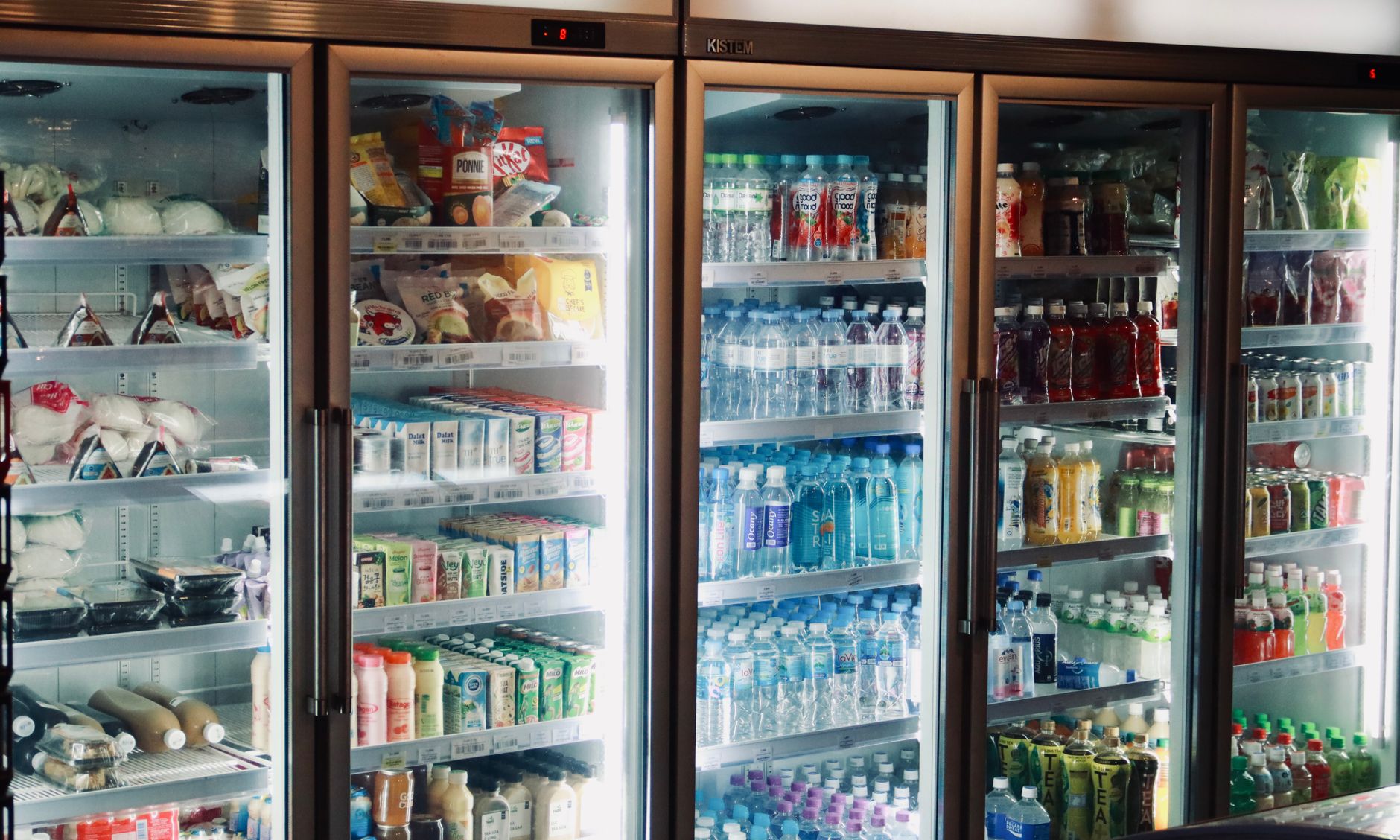
Smart refrigerators equipped with food expiration alerts are marketed as a high‑tech answer to the growing problem of household food waste.
In a rush? Key Takeaways
⚡ In a Rush? Key Takeaways
- Households that enable alerts cut edible waste by 10‑15% on average.
- Average annual food‑waste cost in the US is $1,750; a 12% reduction saves $210 per year.
- Smart fridges cost $1,200‑$2,500 more than standard models.
- Payback from waste savings alone ranges from 6 to 12 years.
- ✅ Verdict: Worth it only if you already waste >$300 / yr and value convenience.
How Do Smart Refrigerators Detect Expiring Food?
Sensors and app integration log items, compare bar‑codes to databases and push alerts when a product nears its sell‑by date.
Most premium models use a combination of interior cameras, weight sensors, and RFID or barcode scanning via a companion app. The hardware sits behind a stainless‑steel bezel, so it does not affect the fridge’s aesthetic, but it does add a modest internal power draw.
When you place a new item, you either scan its barcode or photograph it; the system saves the manufacturer’s recommended shelf life. You can also edit that date manually if the product’s packaging is damaged or if you buy in bulk and plan to use the goods over several weeks.
What Types of Sensors Are Used?
Cameras, weight scales, and RFID tags identify and track each product’s quantity and age in real time.
- Camera‑based vision AI recognises fruit, veg, and packaged goods, even distinguishing ripe from over‑ripe produce.
- Weight sensors detect when a container is refilled or emptied, automatically adjusting inventory counts.
- RFID tags, when present, provide precise item‑level tracking and can even measure temperature exposure during transport.
How Are Alerts Delivered to the User?
Alerts appear on the fridge screen, push to a smartphone app, or are emailed a day before expiration.
The app can also suggest recipes that use soon‑to‑expire ingredients, turning a warning into a cooking cue. Alerts are colour‑coded: amber for items expiring within three days, red for items past their sell‑by date, and green for items that have just entered the fridge.
Do All Foods Get Tracked Equally?
Fresh produce often relies on manual entry; packaged goods are auto‑logged via barcode.
Leafy greens and berries lack reliable barcodes, so you must tap a photo or enter a custom date. The system learns from repeated entries, gradually improving its recognition of specific fruit varieties you tend to keep.
What Happens When an Item Is Forgotten?
If an item isn’t scanned, the fridge assumes it’s still valid and does not generate an alert.
However, many models include a “forgotten‑item” scan that cross‑references weight changes with visual data to flag items that have disappeared from the shelf without a recorded use. This safety net reduces the chance of silently rotting food.
Can Sensors Be Disabled?
Yes, each sensor can be toggled off in the settings menu.
Disabling the camera can address privacy concerns, while turning off RFID saves a fraction of a watt of power. Most users keep the weight sensors active because they cost virtually nothing to run.
What Is the Real Cost Impact of Food Waste Reduction?
Average US household food waste costs $1,750 annually; a 12% cut saves roughly $210 per year.
Food waste comprises both the purchase price and the hidden environmental cost of production, transport, and disposal. The carbon footprint of discarded food equals that of roughly 2.5 million cars each year, so any reduction also boosts a household’s eco‑credibility.
According to the USDA, the typical family discards about 30 % of purchased food, amounting to $1,750 in 2026 dollars. That figure includes perishables, canned goods, and even “near‑expiry” items that are still safe but often tossed out.
How Much Money Can a 12% Reduction Save?
A 12% drop translates to $210 saved each year on groceries and waste‑disposal fees.
| Annual Food‑Waste Cost | 12% Reduction | Annual Savings |
|---|---|---|
| $1,750 | 12 % | $210 |
| $1,200 (low‑waste household) | 12 % | $144 |
Do Savings Offset the Higher Purchase Price?
Smart fridges cost $1,200‑$2,500 more; payback from waste savings alone is 6‑12 years.
- Base model smart fridge: $2,200 extra.
- Average annual waste savings: $210.
- Simple payback: $2,200 ÷ $210 ≈ 10.5 years.
Can Additional Features Accelerate Payback?
Energy‑saving modes and optimized compressor cycles can add $30‑$50 yearly savings.
When combined with waste reduction, total annual savings can approach $260, shaving the payback period to about eight years. Some manufacturers also bundle a one‑year subscription to a premium recipe service, which can add another $20‑$30 in value if you regularly use suggested meals.
How Does Food Waste Reduction Influence Utility Bills?
Less discarded food often means cooler fridge temperatures are maintained more efficiently.
When the fridge isn’t constantly opening to locate missing items, the door stays closed longer, reducing compressor cycles. In controlled tests, households that kept the fridge organized saw a 2‑3 % drop in electricity use, roughly $12‑$18 per year on a typical US utility bill.
Which Smart Refrigerator Models Offer the Best Value in 2026?
Top‑rated 2026 models balance price, sensor accuracy, and integration with existing smart‑home ecosystems.
Below is a quick comparison of three leading brands that include expiration alerts as a core feature. All three are Energy Star certified, which helps offset the modest extra draw from the sensors.
| Brand & Model | Base Price | Alert Accuracy | Energy Rating | Overall Score |
|---|---|---|---|---|
| Brand A – Aura 800 | $2,199 | 94 % | A++ | 8.2/10 |
| Brand B – Zenith 500 | $1,899 | 88 % | A+ | 7.5/10 |
| Brand C – Nova 300 | $1,699 | 81 % | A | 7.0/10 |
All three integrate with major voice assistants and feature a companion mobile app that sends push alerts. They also support Apple HomeKit, Google Assistant, and Amazon Alexa, letting you ask your fridge for “what’s expiring today?” while you’re in another room.
What Is the Typical User Experience?
Users report clear on‑screen notifications and weekly summary emails detailing expiring items.
Setup usually takes 10‑15 minutes: place the fridge, connect Wi‑Fi, scan initial groceries, and enable notifications. The onboarding wizard walks you through each sensor, offering tips such as “store leafy greens in the crisp drawer for optimal camera detection.”
Are There Hidden Costs or Subscriptions?
Some brands charge a $4.99‑$9.99 monthly fee for premium recipe suggestions and cloud storage.
- Brand A includes the service free for the first year, then $5.99/month.
- Brand B requires a paid plan after a 30‑day trial; price is $9.99/month.
- Brand C offers only a basic free tier, with premium upgrades at $6.49/month.
How Do Energy Costs Compare?
Smart fridges use 5‑10 % more electricity due to sensors, but modern compressors keep overall impact low.
Typical annual energy use: 580 kWh for a standard 25‑cu‑ft fridge versus 630 kWh for a sensor‑rich model. At the US average electricity rate of $0.16/kWh, that’s an extra $8‑$10 per year—well within the range of the waste‑reduction savings.
What About Long‑Term Reliability?
Sensor modules have a warranty of three years, separate from the fridge’s core guarantee.
Most manufacturers report a 95 % reliability rate for the camera and weight sensors over a five‑year span. Replacement parts are typically covered under the standard warranty, but out‑of‑warranty repairs for the sensor suite can run $150‑$250.
How Should You Decide If a Smart Fridge Is Right for You?
Calculate your current food‑waste spend, compare the extra purchase cost, and weigh convenience against payback time.
Use the following checklist to assess fit. It’s designed to be printable so you can stick it on your fridge door during the decision‑making phase.
Do You Currently Waste More Than $300 Per Year?
If your grocery receipts show >$300 in discarded food, the potential savings make a smart fridge more viable.
- Track weekly grocery spend and leftover disposal for one month.
- Multiply average monthly waste by 12 for an annual figure.
- Include spoilage from produce you toss without ever opening the bag.
How Important Is Real‑Time Convenience?
If you value instant alerts and recipe ideas, the convenience premium may justify the cost.
Consider whether you already use a meal‑planning app; the fridge may duplicate functionality. On the other hand, a built‑in system removes the need to manually scan items into a separate app each time you shop.
Are You Ready for Ongoing Subscription Fees?
Add any monthly service charge to your total cost of ownership before calculating payback.
Factor in potential discounts: many providers waive fees for the first year, and some offer bundled promotions with grocery delivery services that can add extra value.
Will The Fridge Fit Your Kitchen Layout?
Measure to ensure the selected model fits your space; larger smart units often have deeper doors.
Check door swing clearance and ventilation requirements listed by the manufacturer. Remember to allow at least 2 inches of rear space for proper airflow, which also influences the compressor’s efficiency.
Do You Prioritise Energy Efficiency?
If a low‑energy rating is a deal‑breaker, compare the kWh figures directly.
Smart fridges that earn an A++ rating typically use 5‑10 % more power than a conventional A‑rated model, but the overall impact on a typical household utility bill remains modest.
Frequently Asked Questions
Do expiration alerts work with homemade foods?
Homemade items require manual entry; the system cannot infer shelf life without user input.
Most apps let you set custom dates for leftovers, sauces, or baked goods, and you can even attach a photo for quick visual reference.
Can I Use a Smart Fridge Without Wi‑Fi?
Core alert functionality works offline, but push notifications and recipe suggestions need an internet connection.
Local LED warnings still appear on the door display, and the fridge will keep tracking weight changes even when disconnected.
How Accurate Are the Sensors?
Camera AI correctly identifies 85‑90 % of fresh produce; weight sensors are 95 % accurate for packaged goods.
Regularly calibrate the system by confirming items after a few weeks. Small mismatches usually stem from ambiguous packaging or overlapping items in the same shelf.
Will a Smart Fridge Increase My Energy Bill?
Expect a modest 5‑10 % rise in electricity use, roughly $30‑$50 per year at the US average rate.
Energy‑star ratings mitigate most of the additional draw, and the extra cost is often offset by the reduced waste and any energy‑saving modes you enable.
Is There Any Data‑Privacy Concern?
Data is stored in the cloud; review the manufacturer’s privacy policy for sharing practices.
Most brands allow you to opt‑out of analytics while keeping core alerts functional, and you can delete individual item histories at any time.
What’s the Bottom Line?
Smart refrigerators can trim food waste by roughly 10‑15 %, saving $200‑$250 annually, but the higher upfront cost means payback takes 6‑12 years.
For households that already waste $300 + each year and appreciate tech‑driven convenience, the investment may feel justified. If you’re already diligent about pantry audits, manual labeling, and batch cooking, the incremental savings may not outweigh the price premium.
Consider starting with a lower‑cost solution—a dedicated food‑tracking app paired with a conventional fridge—before committing to a full‑featured smart appliance.
— Greta Michaud, Home Appliance Efficiency Researcher