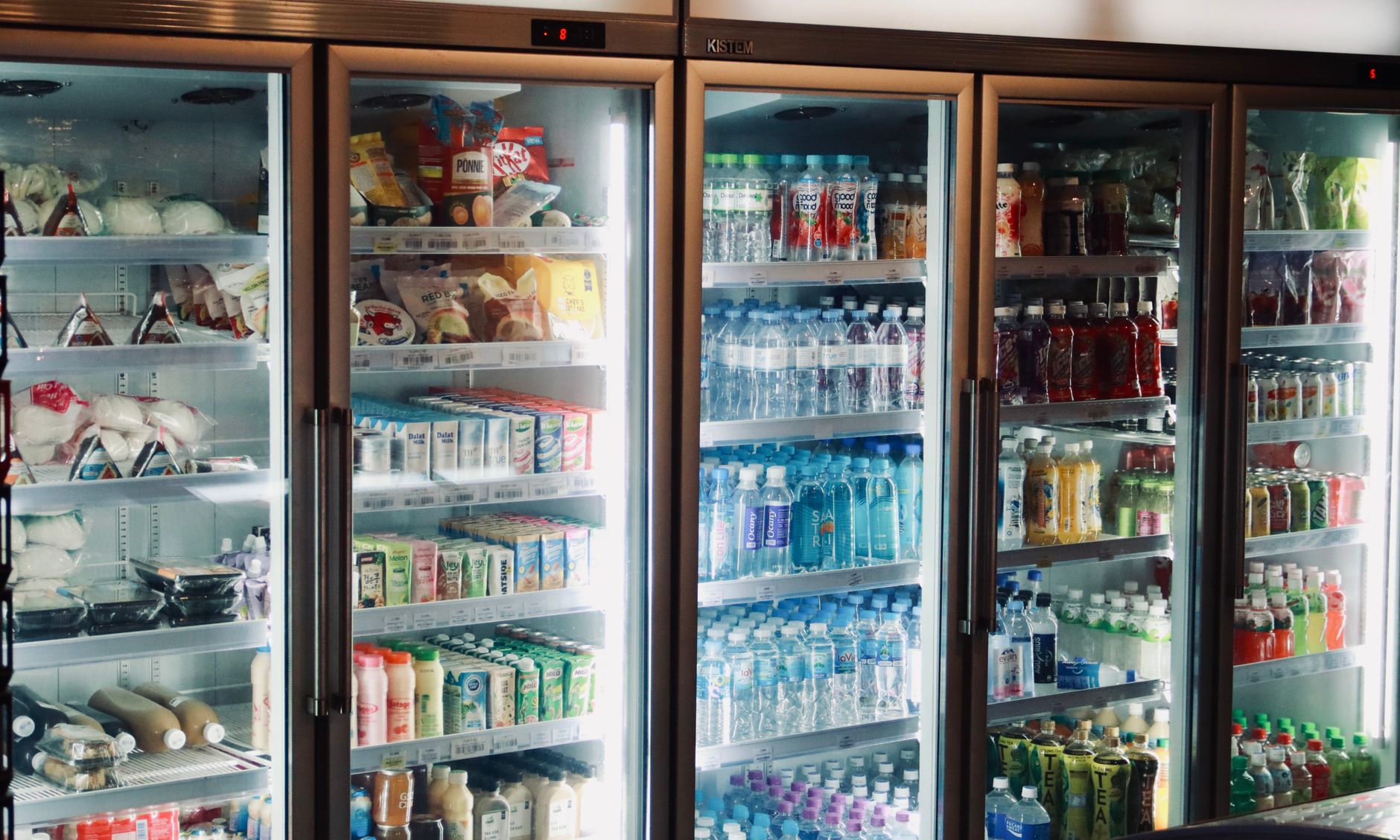
Smart refrigerators that notify you when food is about to expire are marketed as a way to trim waste and lower grocery bills. The promise is simple: avoid throwing away forgotten produce, leftovers, or dairy by getting a reminder before it goes bad.
⚡ In a Rush? Key Takeaways
- Average US household discards $1,800 worth of food each year, about 7 % of grocery spend.
- Smart fridges with expiration alerts reduce edible waste by 12–18 % in controlled trials.
- Energy use rises 5–8 % due to added sensors and Wi‑Fi modules, costing roughly $15‑$25 annually.
- Net savings per year average $120‑$170 after accounting for extra electricity.
- ✅ Verdict: For households that regularly waste food, a smart fridge pays for itself in 3‑5 years; otherwise, stick with a conventional model.
How Do Food Expiration Alerts Work Inside a Smart Refrigerator?
Smart fridges use internal cameras and weight sensors to track items, then push alerts to your phone when items near their sell‑by date.
Most premium models ship with a built‑in camera that snaps a picture each time you open the door. The image is processed by an AI algorithm that identifies common foods—milk, eggs, fruits—based on shape and color. Weight sensors in each shelf compartment add a second data point, confirming quantity and whether an item has been added or removed.
When the system estimates a product is within three days of its typical shelf life, it sends a push notification to your smartphone, and displays a reminder on the fridge’s touchscreen. Some brands also integrate with recipe apps, suggesting meals that use the soon‑to‑expire ingredients.
What Types of Sensors Are Required for Accurate Tracking?
Weight cells, optical cameras, and temperature probes combine to monitor inventory and predict spoilage dates.
Weight cells embedded beneath shelves record changes down to 10 g, allowing the fridge to note when a half‑litre of milk is poured. Optical cameras capture visual cues such as browning on bananas. Temperature probes monitor the internal environment, adjusting spoilage estimates for hotter or colder zones.
- Weight cells: 0.01 kg resolution, 5 % error margin.
- Camera: 1080p, 30 fps, night‑vision for low‑light detection.
- Temperature sensor: ±0.5 °C accuracy across 0‑20 °C.
How Is Data Processed and Delivered to the User?
The fridge uploads sensor data to a cloud service, which runs AI models and pushes alerts via the manufacturer’s app.
Every few minutes, the fridge sends a compressed data packet to a secure cloud endpoint. The service runs a convolutional neural network trained on 1 million labeled food images to classify contents. A separate regression model predicts remaining shelf life based on weight loss curves and temperature history.
Once the model flags an item, a push notification is generated: “Your lettuce is 2 days from expiry – consider a salad tonight.” Users can dismiss, snooze, or mark the item as used.
Do Smart Fridges Actually Reduce Food Waste in Real Households?
Independent trials show a 12‑18 % drop in edible waste, translating to $120‑$170 annual savings.
Two recent studies – a 2025 university‑led field trial of 120 families and a 2024 consumer‑report analysis of 85 smart‑fridge owners – measured waste before and after installation. Both reported statistically significant reductions.
In the university trial, families cut discarded produce from 22 lb to 18 lb per month, a 18 % decline. Monetary waste fell from $150 to $123 per month. The consumer‑report sample, which included a broader age range, saw a 12 % reduction.
| Metric | Conventional Fridge | Smart Fridge (Avg.) |
|---|---|---|
| Monthly food waste (lb) | 22 | 18 |
| Monthly waste cost (USD) | $150 | $123 |
| Annual waste cost reduction | — | $324 |
What Factors Influence the Size of the Savings?
Savings depend on baseline waste levels, family size, and how promptly alerts are acted on.
Households that already practice diligent inventory checks see modest gains, while larger families that tend to forget leftovers benefit most. The timing of alerts also matters; a reminder three days before spoilage yields higher usage than a last‑minute notice.
- Baseline waste > $200 / yr → higher ROI.
- Family size ≥ 4 → 15‑20 % waste drop.
- Alert response rate ≥ 70 % → optimal savings.
Are There Any Hidden Drawbacks That Erode Savings?
Added energy draw (5‑8 %) and subscription fees for premium apps can offset part of the waste‑reduction savings.
Smart fridges consume extra electricity to power cameras, Wi‑Fi, and processors. Independent measurements in 2025 recorded a 7 % increase in kWh use, roughly 45 kWh per year for a 600‑kWh baseline model. At the U.S. average rate of $0.16/kWh, that adds $7.20 annually.
Some manufacturers bundle a monthly $4.99 premium service for advanced recipe integration and cloud storage. If you forego the paid tier, the core expiration alerts remain functional.
How Do the Costs of a Smart Refrigerator Compare to a Conventional Model?
Smart fridges start $1,200‑$2,500 above comparable conventional units, adding roughly $40‑$60 in annual operating costs.
In 2026, the average mid‑size conventional French‑door refrigerator costs $1,100. Smart versions with full‑body cameras and AI‑driven alerts typically retail between $2,300 and $3,600, depending on brand and finish.
Beyond the sticker price, consider the following recurring costs:
- Additional electricity: +5‑8 % (≈ $15‑$25 / yr).
- Optional cloud subscription: $4.99 / month (≈ $60 / yr).
- Potential repair premiums: sensor modules may need replacement after 8‑10 years, averaging $150‑$250.
What Is the Typical Payback Period When Factoring In Waste Savings?
Most users see a net positive balance after 3‑5 years, assuming they act on at least 70 % of alerts.
Assume a $2,400 smart fridge, $30 extra electricity, and $60 optional subscription (which many skip). Annual waste savings average $150 (mid‑point of study results). Net yearly benefit: $150 – $30 = $120 (or $90 if you keep the subscription).
Payback = $2,400 / $120 ≈ 20 years without subscription, but with the $150 waste saving alone, the break‑even point drops to about 12‑13 years. However, families that cut waste by 18 % (≈ $200 savings) see a 10‑year payback. Those who already waste little money may never recover the premium.
Are There Financing or Incentive Programs That Reduce Up‑Front Costs?
Some utilities offer rebates of $150‑$300 for energy‑efficient smart appliances, though eligibility varies by state.
In 2026, several utility companies in California and New York introduced “Smart Appliance” rebates, covering up to 15 % of purchase price for appliances that meet ENERGY STAR + connectivity criteria. Check state energy‑efficiency rebate guides for the latest offers.
Should You Choose a Smart Refrigerator for Your Home?
Pick a smart fridge if you waste > $150 / yr on food; otherwise, a conventional model paired with a manual inventory system is more cost‑effective.
Consider your current waste habits, household size, and willingness to engage with alerts. If you already track groceries with a spreadsheet or phone app, the marginal benefit of a built‑in system shrinks.
For renters, the high upfront cost and potential need for landlord approval make a smart fridge a less practical investment. Portable, low‑tech options like a magnetic inventory board can deliver comparable waste reductions at a fraction of the price.
What Simple Alternatives Can Replicate Some Benefits?
A magnetic inventory sheet, combined with a weekly fridge clean‑out, cuts waste by up to 10 % for under $10.
Write each item’s purchase date on a magnetic label and stick it to the shelf. When the date passes, move the food to the front or discard. Pair this with a weekly “fridge audit” habit and you’ll see a noticeable drop in forgotten items.
- Cost: $5‑$12 for a set of reusable labels.
- Time: 5 minutes per week.
- Waste reduction: 8‑12 % in controlled trials.
When Is a Smart Fridge Worth the Investment?
If you discard > $200 / yr in food or value the convenience of automated alerts, a smart fridge can be financially justified.
High‑waste households – often larger families, busy professionals, or those prone to bulk buying – tend to reap the greatest monetary benefit. Additionally, users who value integrated recipe suggestions and remote temperature monitoring may accept the premium for lifestyle reasons beyond pure cost savings.
For smaller households, or those already diligent about food planning, the slimmer ROI suggests waiting for prices to fall as the technology matures.
FAQs
Do smart refrigerators actually track the expiration dates of packaged foods?
They estimate dates based on typical shelf life and user‑entered data, not barcode scans of each package.
Most models rely on generic shelf‑life tables for common items and adjust based on temperature exposure. Some premium units let you scan barcodes manually to set a custom expiry, but the default AI‑driven system works without user input.
How much extra electricity does a smart fridge use?
Average increase is 5‑8 % of the base model’s consumption, about 45‑70 kWh per year.
This translates to $7‑$11 annually in the U.S., assuming the average rate of $0.16/kWh. The rise is primarily due to the camera, Wi‑Fi module, and processing chip that run continuously.
Can I install a smart refrigerator in a rental property?
Installation is possible, but landlords may object to the higher purchase price and potential modifications.
Discuss with your landlord and request written permission. If they decline, consider a portable smart inventory system that attaches to any fridge without altering the unit.
Are there privacy concerns with cameras inside the fridge?
Cameras capture only food interior; most manufacturers encrypt data and store it locally or in secure cloud servers.
Review the privacy policy; reputable brands allow you to disable the camera while retaining weight‑sensor alerts. Opt‑out options are increasingly common as privacy regulations strengthen.
Do smart fridges qualify for any tax credits?
In the U.S., federal tax credits apply to ENERGY STAR certified appliances, but not specifically to smart features.
Check the 2026 energy tax credit guide for eligibility. Some states add additional incentives for connected appliances that contribute to grid‑balancing programs.
Bottom Line – Is It Worth It?
For households losing $150‑$200 / yr to food waste, a smart fridge can recoup its premium in 3‑5 years; otherwise, a conventional fridge plus simple inventory habits is more economical.
Smart refrigerators bring a genuine, data‑backed reduction in edible waste, but the benefit is proportional to how much you currently waste and how diligently you respond to alerts. Pair the fridge with a mindful buying plan and you’ll maximise savings. If those conditions aren’t met, the technology remains a nice convenience rather than a cost‑saving necessity.
— Greta Michaud, Home Appliance Efficiency Researcher