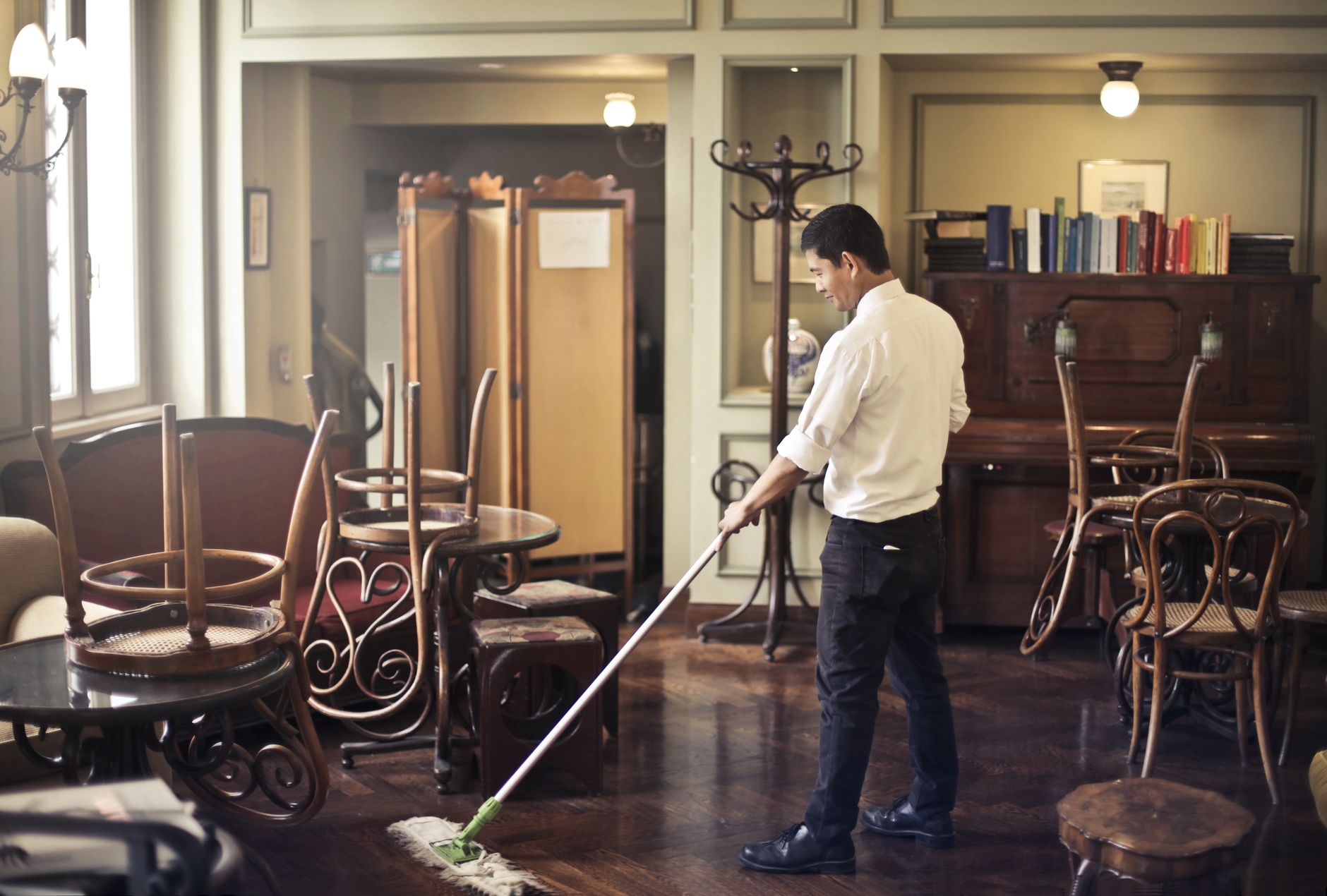
Steam mops are highly efficient for sanitising hard-sealed floors because they eliminate the need for chemical cleaners and require only small amounts of water to generate high-temperature steam. By relying on heat rather than detergents, they offer a consistent cleaning method that is both cost-effective and environmentally sound for daily maintenance.
⚡ In a Rush? Key Takeaways
- Steam mops use roughly 0.5 to 1.2 kWh per cleaning session, costing pennies per use.
- High-temperature steam kills 99.9% of common bacteria without requiring expensive chemicals.
- Microfibre pads for steam mops can be washed 50+ times before losing effectiveness.
- The best value is found in models with variable steam control and washable pads.
How Much Does It Cost to Run a Steam Mop?
Operating a steam mop typically costs less than $0.15 per session, as they consume between 0.5 and 1.2 kWh depending on the power setting.
Is a steam mop cheaper than using chemical cleaners?
Yes, steam mops remove the recurring cost of buying floor detergents, potentially saving $40–$60 annually for a standard three-bedroom home.
When you stop buying bottled floor cleaners, you immediately see a shift in your monthly home maintenance budget. Most chemical cleaners are 90% water, meaning you are effectively paying for shipping and plastic packaging.
By using tap water, a steam mop turns your utility costs into your primary cleaning expense. Because the electricity draw is intermittent rather than continuous, the financial impact on your monthly power bill remains minimal for the average household.
How does steam mop energy consumption compare to other tools?
Steam mops use significantly less energy than a full floor-drying vacuum or a heavy-duty carpet cleaner, averaging 1,000 to 1,500 watts per hour.
While they draw a fair amount of power while active, the total cycle time is short. Most users find that a quick floor refresh takes less than 15 minutes, meaning the energy used is a fraction of a larger appliance’s cycle.
- Steam mop usage: 0.2–0.3 kWh per typical floor cleaning
- Standard vacuum usage: 0.5–0.9 kWh per full house cleaning
- Corded floor polisher: 0.4–0.6 kWh per use
Which Floors Are Safe for Steam Mop Cleaning?
Steam mops are safest on sealed hardwood, ceramic tile, and vinyl, provided the floors have no cracks or gaps that allow moisture to enter.
Can I use a steam mop on unsealed hardwood?
No, unsealed wood is highly porous and will warp or rot when exposed to the high-temperature moisture emitted by any standard steam mop.
If you are unsure whether your floor is sealed, place a single drop of water on the surface. If it beads up, you have a finish; if it absorbs quickly, it is unsealed and should avoid steam entirely.
For those interested in maintaining floors safely, my guide on home maintenance and DIY repair offers tips on testing surface integrity. Protecting the underlying wood is essential to preventing expensive floor replacement costs.
Are steam mops effective on luxury vinyl plank?
Steam mops are suitable for luxury vinyl plank only at lower steam settings to avoid weakening the adhesive bonds or damaging surface finishes.
Always verify the manufacturer’s warranty for your specific flooring. Many vinyl brands explicitly void warranties if high-heat steam is applied, so err on the side of caution.
| Floor Type | Steam Suitability |
|---|---|
| Sealed Hardwood | Safe (Low Setting) |
| Ceramic/Porcelain | Fully Safe |
| Laminate | Use Caution/Avoid |
| Unsealed Wood | Not Safe |
How to Maintain a Steam Mop for Maximum Longevity?
Regularly descaling the internal boiler and washing microfibre pads after every use extends a steam mop’s lifespan from two years to five years.
How often should I descale the water reservoir?
Descale your steam mop every three to six months, especially if you live in a hard water area, to prevent mineral deposits from clogging jets.
Mineral buildup acts as an insulator, forcing the heating element to work harder. This eventually leads to slower warm-up times and increased energy consumption during operation.
Proper tool upkeep is a pillar of my broader home organisation and cleaning systems strategy. Keeping appliances clean ensures they don’t become a drain on your efficiency.
Are replacement pads worth the extra expense?
Washable microfibre pads are a better long-term investment than disposable options, as they last for dozens of cycles before needing replacement.
If you are looking for ways to reduce your daily household outgoings, you might also be interested in my analysis of home finance and running costs. Every small change, like switching to reusable cleaning tools, contributes to a more efficient household budget.
Frequently Asked Questions
-
Do steam mops kill bacteria without chemicals?
Yes, the high temperature of steam kills 99.9% of bacteria and germs on contact, providing a hygienic clean using only plain water.
-
How long do steam mop pads last?
A quality microfibre pad can last for 50 to 100 machine washes, depending on the floor texture and how often you perform heavy-duty cleaning.
-
Can I add scent to the water tank?
Never add essential oils or chemicals directly into the tank unless the manufacturer explicitly states it is safe for the boiler mechanism.
-
Is a steam mop better than a mop and bucket?
A steam mop provides a more sanitising clean and dries faster than a traditional mop, though a bucket is still better for heavy spills.
-
Last tested or reviewed: March 2026
— Greta Michaud, Home Appliance Efficiency Researcher