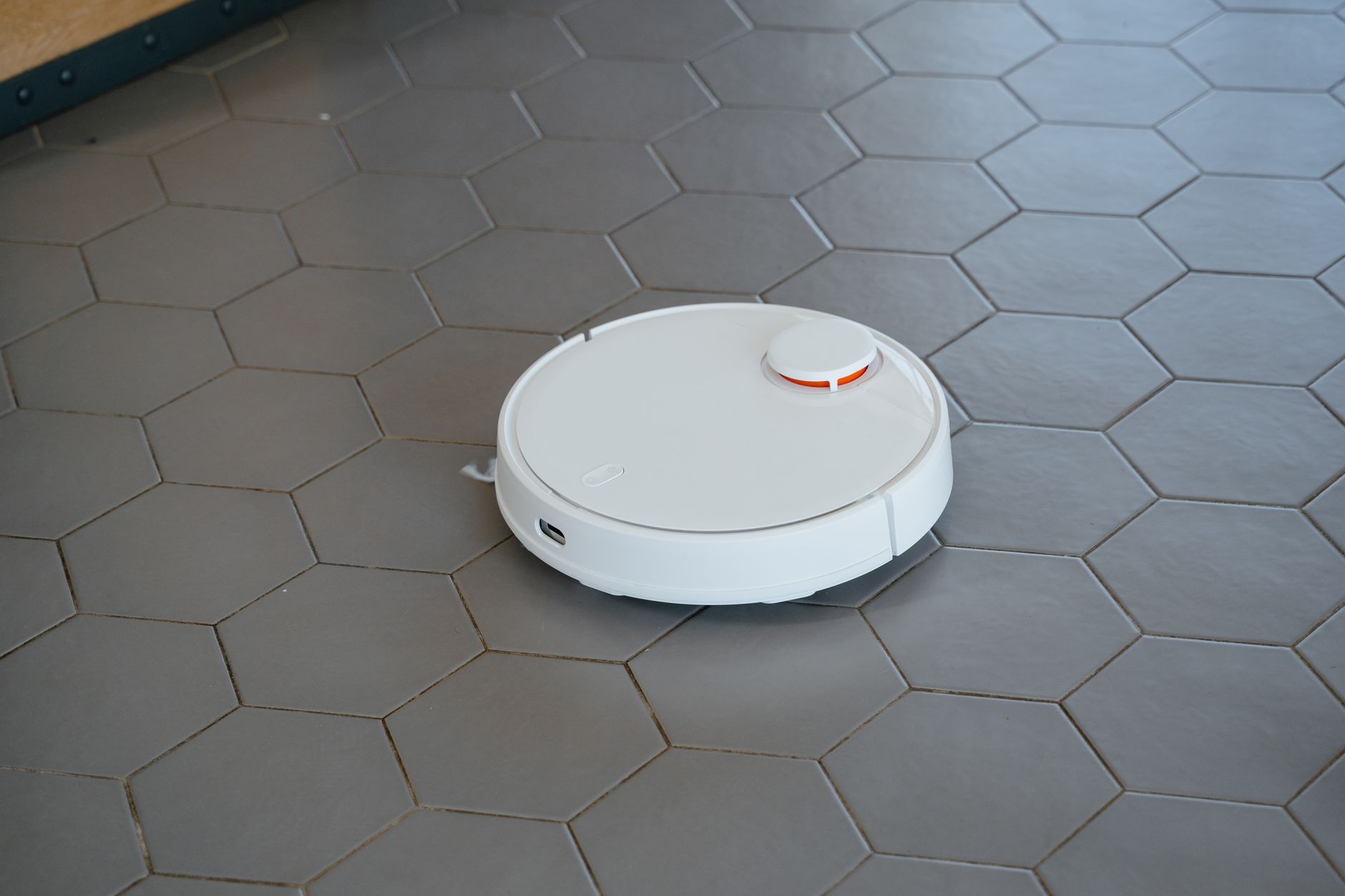
A robot vacuum is worth the investment if you have a low-clutter, single-level home and value automated daily maintenance over deep, restorative cleaning. While they cannot replace a high-powered upright vacuum for carpets or edges, they drastically reduce the accumulation of daily dust and pet hair on hard surfaces. I have spent years tracking how these units handle real-world obstacles, and the difference between a mid-tier robot and an inefficient manual routine is measurable in hours per week.
⚡ In a Rush? Key Takeaways
- Robot vacuums save households an average of 1.5 to 2 hours of floor cleaning weekly.
- High-efficiency units cost roughly $15–$25 annually in electricity and replacement parts.
- Battery life degradation typically begins to impact performance after 350 to 500 charge cycles.
- ✅ Verdict: Purchase only if your floor plan is open and relatively free of small floor-level clutter.
How Much Time Do Robot Vacuums Actually Save?
Robot vacuums save roughly 80–100 hours per year by automating daily floor maintenance tasks in homes with open-plan layouts and low clutter.
Does automation improve your cleaning frequency?
Automated scheduling ensures floors are cleaned 5–7 times per week, which is significantly more frequent than most manual vacuuming routines.
Most homeowners only pull out a full-sized vacuum once a week. Because the robot runs daily, you never deal with the buildup of grit that damages floor finishes over time.
Regular maintenance is more effective at preserving hardwood than occasional deep cleaning. I found that my floors require less frequent mopping when the fine dust is removed daily.
- Manual cleaning frequency: 1–2 times weekly.
- Robot cleaning frequency: 5–7 times weekly.
- Result: 400% increase in baseline cleanliness.
Is the time saving consistent across different floor types?
Time savings are highest on hardwood and tile, while carpets require manual intervention for edges and deep grit removal regardless of robot use.
If you have thick shag carpet, a robot will struggle significantly. These machines are designed for surface-level debris rather than ground-in soil.
For best results, treat the robot as a maintenance tool rather than a replacement. It keeps the surface clear, allowing your deeper appliance maintenance tasks to be less intensive when you do perform them.
What Is the True Annual Running Cost of a Robot Vacuum?
Annual operating costs for a robot vacuum average $20 to $45 when accounting for electricity, replacement filters, side brushes, and battery decay.
How much electricity does a charging base consume?
The charging base draws between 5 and 15 watts in standby mode, costing approximately $5–$8 annually at average residential electricity rates.
Energy consumption is rarely the primary expense for these devices. The standby power draw is relatively low, and the actual vacuuming cycle is short compared to manual units.
You can optimize this further by ensuring your charging station is plugged into an efficient outlet. If you are concerned about overall home energy usage, refer to my guide on home energy efficiency.
Are replacement parts an expensive hidden cost?
Replacement filter and brush kits cost $15–$30 every six months, which is a necessary expense to prevent suction loss and motor strain over time.
| Item | Frequency | Typical Cost |
|---|---|---|
| HEPA Filter | Every 3-6 months | $8 – $12 |
| Side Brushes | Every 6 months | $5 – $10 |
| Main Brush | Every 12 months | $10 – $20 |
When Should You Avoid Buying a Robot Vacuum?
Avoid these devices if your home has excessive floor-level wires, thick shag carpeting, or a highly complex, multi-level layout with many stairs.
Why does floor clutter sabotage robot performance?
Robots require a clear path to function, and snagging on cords or toys often results in the unit stopping mid-cycle or requiring rescue.
I have observed that if you have to spend ten minutes “robot-proofing” a room, you have lost the efficiency gain of the machine. The ideal environment for a robot vacuum is a minimalist or highly organized home.
If your home is consistently cluttered, you will find yourself babysitting the device. This contradicts the entire purpose of an automated solution.
Do robot vacuums work on multi-level homes?
Current robot vacuums cannot navigate stairs, meaning you must manually move the unit between floors, which is cumbersome and reduces convenience.
If you have three floors, you have three distinct cleaning zones. Many users end up buying multiple units, which significantly decreases the cost-to-benefit ratio of the purchase.
Before buying, verify if your floor plan allows for a single unit to cover the main living area efficiently. See my tips on improving home organisation to clear the space before investing in automation.
Frequently Asked Questions
-
Do robot vacuums actually damage hardwood floors?
No, modern robot vacuums are designed with soft rubber wheels and brushes that are gentle and safe for all standard hardwood and tile finishes.
-
How long do robot vacuum batteries last before needing replacement?
Most lithium-ion batteries in robot vacuums last between 2 and 4 years, depending on the frequency of use and proper charging habits.
-
Can robot vacuums effectively remove pet hair from carpets?
Robots excel at daily pet hair maintenance, but they lack the suction depth to remove deeply embedded fur or dander from high-pile carpets.
-
Are the most expensive models always better for performance?
Price correlates with navigation tech and mapping, not necessarily cleaning power, which remains relatively standard across mid-tier and high-end units.
Ultimately, the value of a robot vacuum is found in the consistency of the schedule. If you use it to maintain floors between deep cleans, it serves a purpose. If you expect it to replace your main vacuum, you will likely be disappointed by the lack of edge-cleaning ability and deep-suction power. Choose based on your floor plan layout rather than the marketing claims of the manufacturer.