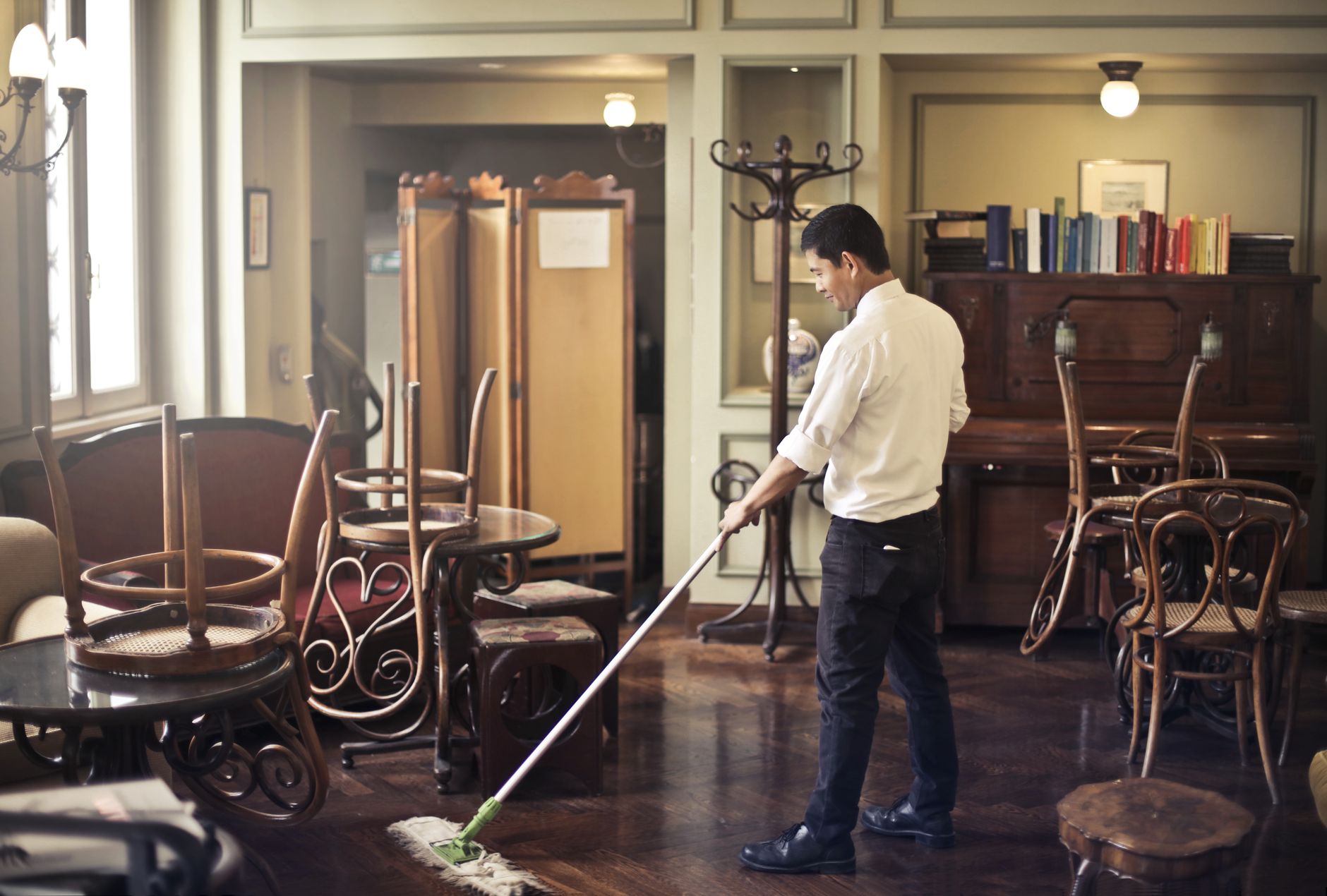
A steam mop uses high-temperature water vapor to sanitize hard floors, typically removing 99.9% of common household bacteria without requiring chemical detergents. For most homes with sealed hard floors, these appliances offer a faster, more hygienic alternative to traditional bucket-and-mop methods by loosening grime instantly and drying within seconds.
⚡ In a Rush? Key Takeaways
- Steam mops use 80-90% less water than traditional bucket-and-mop cleaning methods.
- Models typically consume 1,200 to 1,500 watts, costing about $0.03 per 15-minute use.
- High-heat vapor kills 99.9% of bacteria without leaving chemical residue behind.
- ✅ Best value: Choose a corded model with a removable handheld steamer unit.
Is a Steam Mop Actually Cheaper Than Traditional Mopping?
Steam mops save money long-term by eliminating the need for expensive chemical cleaning fluids, though they do increase your electricity bill.
How Much Does the Electricity Cost per Cleaning Session?
At the US average rate of $0.16/kWh, a 1,500W steam mop costs roughly $0.04 for twenty minutes of continuous floor steaming usage.
When you account for the electricity, the cost remains incredibly low. You are essentially trading the recurring purchase of floor cleaning solutions for a fractional increase in your power usage.
- Standard mop bucket cost: ~$25/year for solution refills.
- Steam mop electricity: ~$8/year for weekly home cleaning.
- Microfiber pad replacements: ~$10/year for quality longevity.
Do You Need Specialized Cleaning Fluids for Steam Mops?
You should avoid all chemical additives in your steam mop tank to prevent internal mineral buildup and damage to your floor finish.
Most manufacturers strictly forbid adding soap or disinfectant to the water tank. Using only distilled water is the most effective way to ensure the internal boiler doesn’t clog with limescale.
Which Flooring Types Are Safe for Steam Cleaning?
Steam mops are perfectly safe for sealed hardwood, tile, and vinyl, but can warp unsealed wood or melt delicate adhesive-backed floors.
Can You Use a Steam Mop on Sealed Hardwood Floors?
Yes, you can safely use a steam mop on sealed hardwood if you use a low-steam setting and keep the mop moving to avoid moisture buildup.
The key to longevity with wood is never allowing the wood to become saturated. If the mop leaves a heavy wet trail, your floor finish may be compromised, and you should switch back to a damp mop.
Why Is Steam Dangerous for Unsealed or Laminate Floors?
High-temperature vapor forces moisture into the joints of laminate and unsealed wood, causing immediate swelling, bubbling, and warping.
If you aren’t sure if your floor is sealed, avoid steam. The heat can cause the glue in laminate flooring to soften, leading to permanent damage that cannot be reversed.
How Do You Maintain a Steam Mop for Longevity?
To keep your mop running for years, empty the water tank after every use and descale the internal boiler using a vinegar solution monthly.
How Often Should You Wash the Microfiber Mop Pads?
Wash your microfiber pads after every use in a standard laundry cycle without fabric softener to ensure they retain their deep cleaning.
Fabric softener clogs the microscopic fibers that make these pads effective. If you aren’t laundering them immediately, rinse them well to prevent a buildup of bacteria that could lead to streaks on your floors.
What Is the Correct Way to Descale the Water Boiler?
Fill the tank with a 50/50 mix of white vinegar and water, run the mop until half-empty, and let it sit for two hours before rinsing fully.
I perform this maintenance every six weeks to ensure the steam pressure remains consistent. If you have particularly hard water, check your water efficiency and consider using filtered water to prevent early failure.
How to Choose the Right Steam Mop for Your Home
Look for adjustable steam settings, a sizable water tank, and a lightweight design with useful attachments for versatility.
Adjustable steam lets you match the output to different floor types—low for delicate sealed hardwood, high for tile grout. A tank holding at least 350 ml reduces refill frequency during larger cleaning sessions. Corded models generally provide steady power, while a detachable handheld steamer adds flexibility for spot‑cleaning counters, sinks, or upholstery.
Consider the weight and maneuverability; most users prefer models under 6 lb for easy stair climbing. Check for included accessories like a grout brush, carpet glider, or squeegee attachment, which expand the mop’s utility beyond basic floor steaming. Finally, verify the warranty length and availability of replacement microfiber pads to ensure long‑term support.
Frequently Asked Questions
-
Do steam mops leave floors wet?
A quality steam mop leaves floors slightly damp, and they should air-dry completely within thirty seconds of the final pass.
-
Can steam mops kill dust mites?
Yes, the intense heat of the steam is effective at neutralizing dust mites and common allergens on hard surfaces instantly.
-
How heavy are most steam mops to carry?
Most modern steam mops weigh between four and seven pounds, making them very easy to maneuver between rooms and up staircases.
-
Does the steam mop sanitize rugs?
Many models include a carpet glider attachment, allowing you to refresh and sanitize rugs, though they aren’t deep-carpet cleaners.
For deeper maintenance tips on keeping your home clean, review our guides on cleaning systems or investigate appliance performance metrics to ensure your tools serve your home efficiently.
— Greta Michaud, Home Appliance Efficiency Researcher