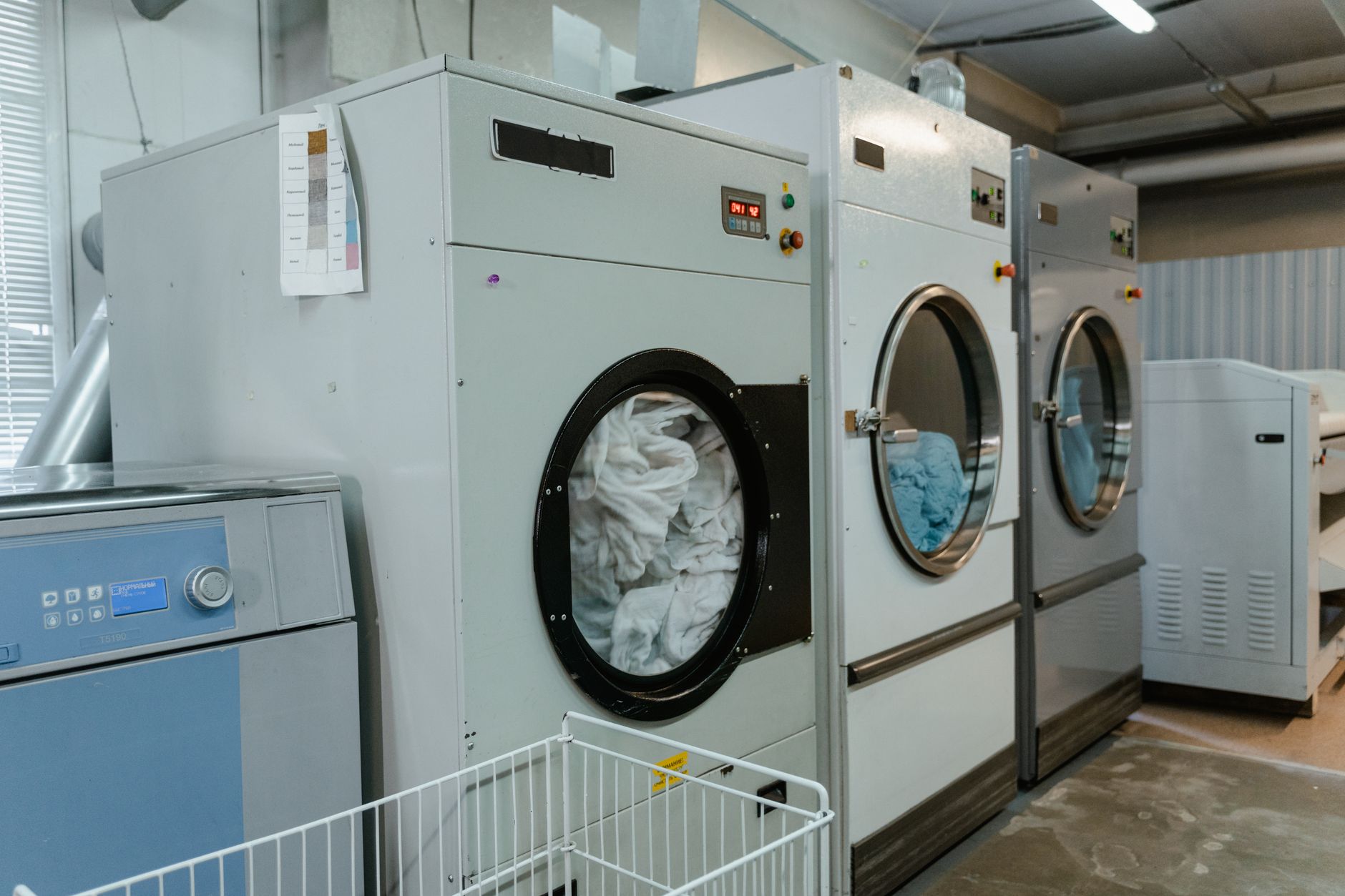
A tumble dryer is a high-consumption appliance that typically costs between £0.40 and £0.90 per cycle to run, depending on the machine type and your local electricity tariff. Choosing the right unit requires balancing the upfront purchase price against years of cumulative energy bills, which often makes modern heat pump models the more economical long-term investment.
⚡ In a Rush? Key Takeaways
- Heat pump dryers use 60% less energy than standard vented models.
- Running a vented dryer four times weekly adds ~£150 to annual bills.
- Standard cycle times for heat pump units often exceed 120 minutes.
- Regular lint filter maintenance improves drying efficiency by roughly 15%.
- ✅ Heat pump technology remains the best choice for lower running costs.
Which type of tumble dryer should you choose for your home?
Choosing between heat pump, condenser, and vented dryers depends on your budget, your laundry frequency, and your home layout capacity.
In my experience testing laundry appliances, the technology inside the cabinet dictates your monthly energy spend more than the brand name on the front. I have tracked usage cycles over years, and the efficiency gap is significant.
Is a heat pump tumble dryer worth the higher cost?
Heat pump dryers are worth the cost for most households because they use 60% less energy per load than traditional vented models.
Heat pump models operate as a closed-loop system, reusing hot air rather than venting it outside or heating from scratch. While the initial purchase price is higher, the return on investment through energy savings typically hits by year three or four.
- Energy use: 1.5–2.0 kWh per full load
- Maintenance: Requires regular heat exchanger cleaning
- Installation: Can be placed anywhere with power
How do vented tumble dryers compare on running costs?
Vented tumble dryers are the cheapest to buy but the most expensive to run, consuming 4–5 kWh of electricity per drying cycle.
These units pull in ambient air, heat it with an electric element, and push the resulting moisture outside through a hose. They are fast, but that convenience carries a steep energy premium over the life of the machine.
| Feature | Vented | Heat Pump |
| Energy Use | High (4-5 kWh) | Low (1.5-2 kWh) |
| Setup | External hose needed | No vent required |
| Upfront Cost | Lower | Higher |
What makes a condenser dryer different from the others?
Condenser dryers collect water in a removable tank rather than venting it, making them perfect for homes lacking an outside wall access.
These units sit between vented and heat pump models for energy efficiency. They are easier to install than vented units but usually require more electricity than heat pump versions to achieve the same result.
How can you reduce the running costs of your tumble dryer?
Reducing running costs involves smaller loads, consistent filter cleaning, and high-speed spin cycles on your matching washing machine.
Small changes in how you handle your laundry system can lead to immediate drops in your monthly energy usage. These aren’t just minor adjustments; they represent a fundamental change in how I approach laundry maintenance.
Does spin speed on the washer affect dryer energy use?
Higher spin speeds on your washing machine remove more water before the cycle ends, reducing the dryer time needed by 15% or more.
If your washer spins at 1600 RPM rather than 1200 RPM, the clothes reach the dryer significantly drier. This reduces the work the tumble dryer has to do, which is the most effective way to lower energy costs.
- Target 1400–1600 RPM for cotton items
- Avoid overloading the washer to allow effective spinning
- Check washer drainage periodically
Why is filter maintenance essential for efficiency?
Cleaning the lint filter after every single cycle ensures proper airflow, keeping energy use low and reducing the risk of overheating.
A clogged filter acts as an insulator, forcing the heating elements to work harder and longer. I treat filter cleaning as mandatory, just like emptying the water tank on a condenser model.
Should you consider a heated airer instead?
Heated airers are a low-energy alternative to tumble dryers, costing roughly 90% less to run but requiring more drying time per load.
For those interested in energy efficiency, heated clothes airers offer a slower, passive drying method. While they cannot match the speed of a heat pump dryer, the cost-per-load is significantly lower for routine items.
How often should you clean the heat exchanger and condenser?
For heat pump tumble dryers, cleaning the heat exchanger every few months prevents performance loss and keeps energy use low.
The heat exchanger is where moisture is removed from the air; dust and lint can accumulate on its fins, reducing airflow and forcing the pump to work harder. A simple vacuum or soft brush every 8–10 cycles is usually enough, with a deeper wash using warm water and mild detergent every 2–3 months.
- Unplug the dryer and remove the rear access panel (refer to the manual).
- Gently vacuum the fins or use a soft brush to dislodge lint.
- If washing, rinse thoroughly and let dry completely before reassembly.
- Check the condenser water tank (if present) for mineral deposits and descale with vinegar solution quarterly.
What are the most common questions about tumble dryers?
Homeowners often ask about machine lifespan, the impact of drying on fabric quality, and when to call a professional for repairs.
How long should a decent tumble dryer last?
A well-maintained tumble dryer should provide 10–14 years of reliable service before needing major components or replacement.
Are tumble dryers damaging to your clothing?
Tumble dryers cause minor wear over time through heat and agitation, but using lower heat settings can mitigate most long-term fabric issues.
Can you DIY a faulty tumble dryer?
You can replace basic parts like filters or belts, but electrical work or heat pump repairs should always be handled by professionals.
If you are struggling with home maintenance tasks, never hesitate to call a certified tradesman for internal motor or element issues.