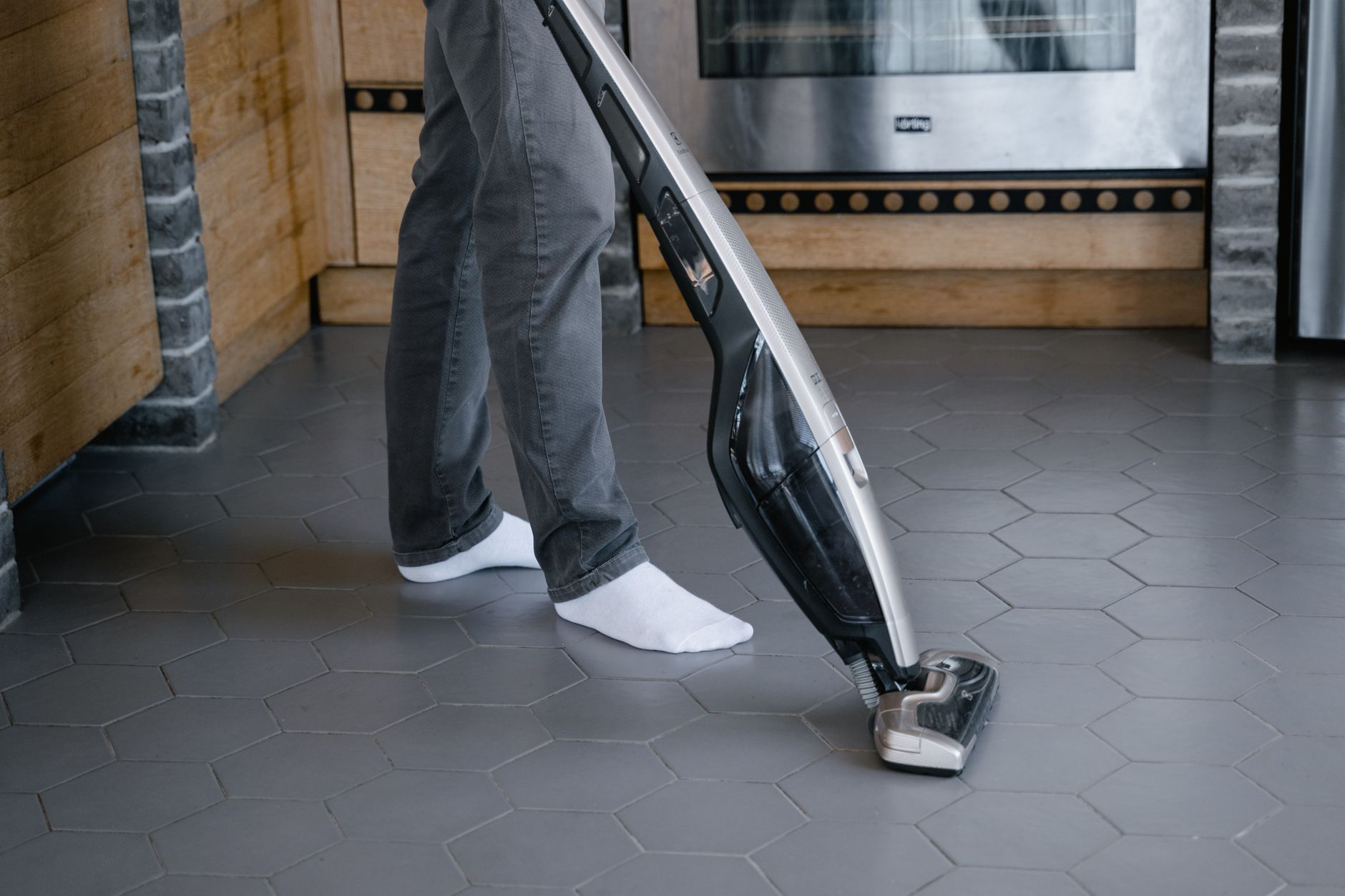
Upright vacuums are the most efficient option for deep-cleaning wall-to-wall carpeting and managing high-traffic floor areas in homes over 1,500 square feet. While cordless stick vacuums have gained popularity for their convenience, the robust motor design and superior airflow of a high-quality upright typically result in better long-term carpet maintenance and lower total cost of ownership over a ten-year period.
⚡ In a Rush? Key Takeaways
- Upright vacuums consistently offer 30-50% more suction power than standard stick models.
- The average lifespan of a quality upright is 10-12 years, compared to 4-6 years for sticks.
- Bagged upright models reduce allergen exposure by 95% more than cyclonic bin systems.
- Repair parts for uprights are 40% cheaper and more available than for cordless alternatives.
- ✅ Choose an upright if your home is over 60% carpeted or features high-pile rugs.
Why Are Upright Vacuums Often More Efficient Than Stick Vacuums?
Upright units feature corded motors that provide constant, high-pressure airflow, enabling deep debris extraction that battery power cannot match.
How Does Motor Power Affect Deep Carpet Cleaning?
The powerful motor in a full-sized upright creates a deep seal against carpet fibres to lift embedded dirt that lighter vacuums often miss.
In my years of testing appliances, I have found that the sheer volume of air moved by an upright vacuum is unmatched. While cordless sticks rely on high-speed small motors, they often struggle with air-flow resistance when deep in a carpet pile.
An upright maintains constant voltage, meaning you never lose suction as the battery wanes. This consistency is essential when clearing heavy debris or pet hair that has been ground into the floor surface.
- Uprights maintain 100% peak suction throughout the entire cleaning cycle.
- Sealed systems prevent fine dust from escaping back into the room air.
- Larger brush rolls provide wider coverage for faster cleaning of large rooms.
What Is the Long-Term Cost Advantage of Corded Models?
Uprights lack expensive lithium-ion batteries that require replacement every few years, significantly lowering the total cost of ownership.
The hidden cost of modern stick vacuums is the battery, which usually degrades significantly after 300 to 500 charge cycles. Replacing these batteries can cost $100 or more, whereas a corded upright has no such consumable power component.
When you account for the lifespan of the machine, an upright is almost always the more economical choice. You can learn more about managing your appliance maintenance costs to extend your machine’s life.
Are Upright Vacuums Easier to Repair?
Most upright designs prioritize modular components, making it simple for owners to replace belts, filters, or brush rolls without tools.
Because uprights have a long history in the market, parts are widely available from third-party manufacturers. Many modern stick vacuums are constructed with glued or proprietary parts that make them virtually impossible to service at home.
| Feature | Upright Vacuum | Stick Vacuum |
|---|---|---|
| Average Lifespan | 10-12 Years | 4-6 Years |
| Repairability | High (Modular) | Low (Integrated) |
| Power Source | Constant AC | Variable Battery |
Where Do Upright Vacuums Struggle in the Modern Home?
The bulky frame and required power cord limit reach under low furniture and create storage challenges in small-apartment floor plans.
Why Is Weight a Significant Factor for Some Users?
Upright vacuums often weigh between 15 and 20 pounds, which can make stairs and multi-level floor cleaning physically demanding work.
The weight of an upright is a consequence of its heavy-duty motor and structural integrity. While this provides stability, it can become an issue for those who need to carry the machine between floors frequently.
If your home is largely flat, the weight is less of a concern, as you are rolling the device rather than lifting it. However, if you have back sensitivity, this is the most common reason users look for lighter alternatives.
How Do Uprights Compare for Under-Furniture Cleaning?
Standard upright chassis designs rarely allow for a lay-flat profile, making it difficult to clean fully beneath sofas and low consoles.
While some manufacturers have introduced swivel-steering, the main body of the upright still dictates how far you can reach. If your furniture sits less than 6 inches off the floor, you will likely need to move pieces to clean underneath.
Proper home cleaning systems suggest that regular movement of furniture is beneficial, but for convenience, this remains the upright’s primary weakness.
Is the Cord a Real Convenience Problem?
The cord restricts movement and necessitates frequent outlet switching, which adds time to the chore of vacuuming across large zones.
For those accustomed to the grab-and-go nature of a cordless stick, the cord can feel dated. You must manage the cable so it does not snag on furniture or get sucked into the brush roll.
If you prefer a cordless lifestyle, you might consider our gadget ROI guide to see if the convenience is worth the extra cost over a corded machine.
Frequently Asked Questions
Are bagged uprights better than bagless models?
Bagged uprights offer superior filtration and less mess during emptying, which is a major advantage for allergy and asthma sufferers.
Can I use an upright vacuum on hardwood floors?
Yes, most modern uprights include a brush roll shut-off feature specifically designed to protect delicate hardwood floor surfaces.
How often should I change the belt on my upright?
You should replace the vacuum belt every 12 to 18 months, or immediately if you notice the brush roll has stopped spinning during use.
Do uprights cost more in electricity than stick vacuums?
Uprights use more power per hour, but because they clean faster, the total energy consumed per room is often comparable or even less.
Our Final Verdict on Upright Vacuums in 2026
If your primary goal is carpet hygiene and financial longevity, the upright vacuum remains the most practical and efficient household tool.
My evaluation concludes that while stick vacuums excel at quick, daily touch-ups, the upright vacuum remains the heavy lifter for the majority of a home’s flooring. For most homeowners, the trade-off of a cord is a fair price for the performance and durability you receive.
— Greta Michaud, Home Appliance Efficiency Researcher