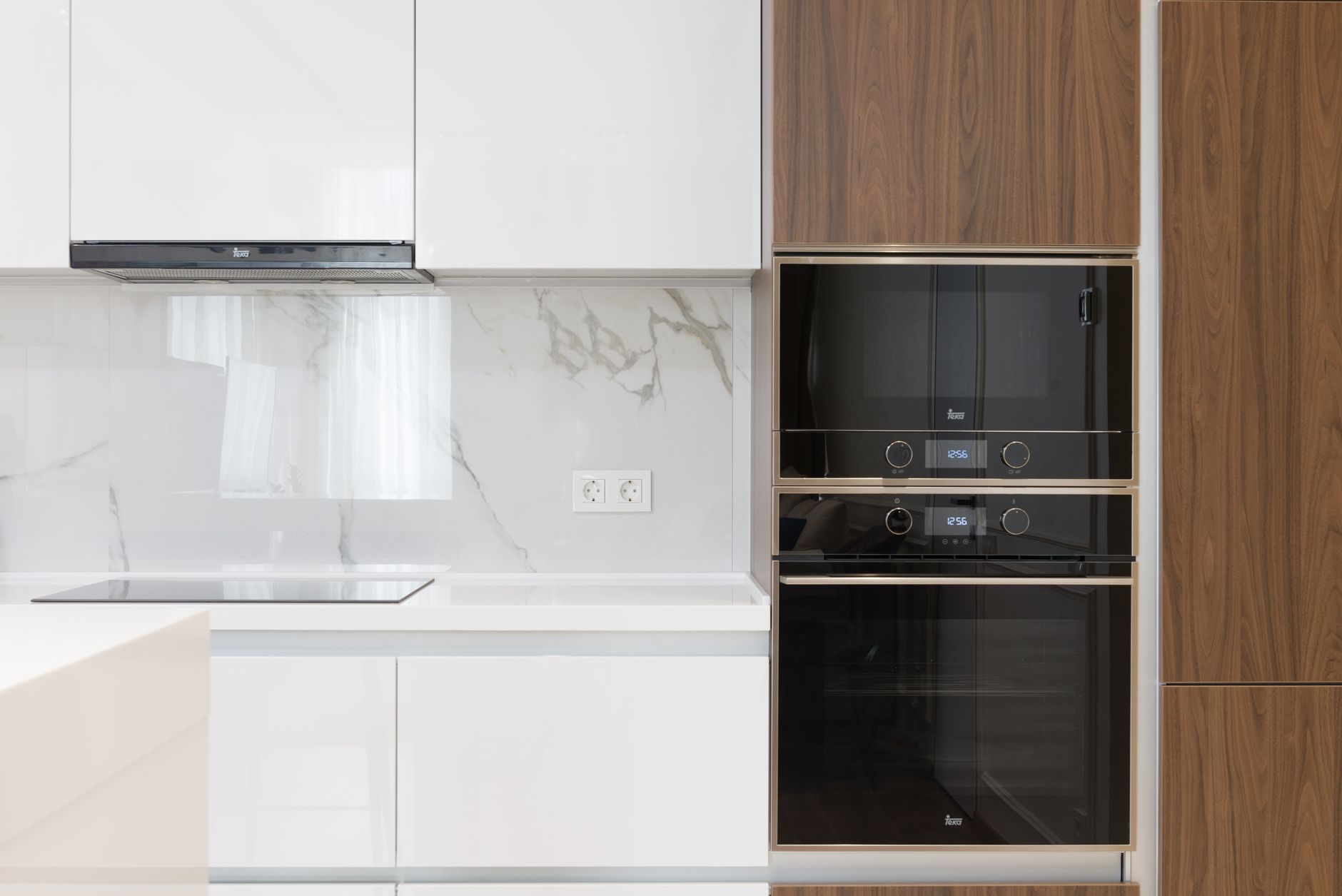
When outfitting a new kitchen or upgrading an existing one, the decision between purchasing appliances individually or as part of a bundle often arises. Manufacturers and retailers frequently offer incentives for bundles, promising significant savings. However, a deeper look into the associated costs and long-term value is essential for making an informed choice in 2026.
⚡ In a Rush? Key Takeaways
- Appliance bundles typically offer 10-20% off retail prices, saving $250-$6,000 on average.
- Bundles often include reduced or free shipping and installation, cutting an extra $100-$500 per appliance.
- Individual purchases allow for feature-specific selection, potentially better optimizing appliance performance for specific needs.
- The price range for a full kitchen appliance package varies from $2,500 for entry-level to over $30,000 for high-end suites.
- ✅ Bundles offer clear financial savings and aesthetic continuity, but individual buys suit specific feature or brand preferences.
Do Kitchen Appliance Bundles Really Save Money?
Yes, appliance bundles frequently save consumers 10-20% on the sticker price, plus additional savings on shipping and installation costs.
The primary draw of appliance bundles is the promise of cost savings. Retailers and manufacturers often use package deals to entice buyers, offering discounts that are not available when purchasing items separately. These savings can be substantial, making bundles an attractive option for homeowners seeking to maximize their budget.
What Kind of Discounts Can You Expect from Appliance Bundles?
Discounts on kitchen appliance bundles typically range from 10% to 20% off the total price of individual items, occasionally more during promotions.
When you opt for a kitchen appliance package, you’re buying multiple units—such as a refrigerator, range, microwave, and dishwasher—from the same brand or a select group of brands. This volume purchase allows sellers to offer a reduced collective price. Based on recent market trends, these discounts often sit within the 10% to 20% bracket, leading to savings of hundreds or even thousands of dollars on your total kitchen upgrade. For a mid-range suite costing $10,000 individually, a 15% discount yields $1,500 in direct savings.
- **Entry-Level Bundles ($2,500-$5,000):** Expect savings of $250-$1,000.
- **Mid-Range Bundles ($5,000-$15,000):** Savings often fall between $500-$3,000.
- **High-End Bundles ($15,000-$30,000+):** Discounts can reach $1,500-$6,000 or more.
How Do Bundles Reduce Shipping and Installation Costs?
Bundles often consolidate shipping and installation into a single process, reducing total fees by $100 to $500 or even offering them for free.
Beyond the direct purchase price discount, appliance bundles often come with hidden savings in logistics. Many stores prefer to ship and install appliance packages as a complete set. This consolidation significantly lowers the overall shipping expense, which can otherwise add $50-$150 per individual appliance. Installation fees, particularly for complex items like gas ranges or integrated dishwashers, can also be reduced or waived entirely as part of a bundle deal. This efficiency of delivery and installation translates into tangible savings for the consumer, with total service charges potentially dropping by $100 to $500.
Are There Hidden Costs to Consider with Appliance Packages?
Yes, hidden costs with appliance bundles can include requirements for specific electrical/gas lines, dedicated circuits, or plumbing adjustments for integrated units.
While bundles aim to simplify purchasing, homeowners should be aware of potential hidden costs, especially during a remodel. Professional installation for gas lines, dedicated electrical circuits, and specific plumbing connections for dishwashers or built-in refrigerators are commonly overlooked expenses. These specialized requirements can add several hundred dollars to the overall project, even if the basic installation is included in the bundle. Always cross-reference your kitchen’s infrastructure with the bundle’s installation needs to avoid surprises.
When is Buying Appliances Individually a Better Choice?
Buying appliances individually is better when needing only a few replacements, prioritizing specific features, or mixing and matching brands for optimal performance.
Despite the financial allure of bundles, there are clear scenarios where purchasing appliances à la carte makes more sense. This approach offers greater flexibility and control, allowing homeowners to tailor their kitchen precisely to their needs and preferences, without being constrained by bundle configurations.
Why Choose Individual Appliances for Specific Features or Brands?
Individual purchases allow homeowners to select appliances with unique features or from preferred brands, optimizing performance and aesthetic appeal.
One of the strongest arguments for buying individually is the ability to cherry-pick specific features or choose appliances from different brands known for particular strengths. Perhaps you desire a refrigerator with a specific smart organization system, a range with induction burners from one brand, and a silent high-efficiency dishwasher from another. Bundles, by their nature, often limit these choices to a single brand’s offerings or a predetermined set of models. This freedom of choice ensures every appliance meets your exact functional and aesthetic criteria, potentially offering better long-term satisfaction and efficiency. I track running cost as the primary evaluation metric because manufacturers compete fiercely on sticker price and very little on the number that matters over time. For example, some brands excel in refrigeration longevity, while others lead in oven precision.
Does Individual Purchase Allow for Better Aesthetic Customization?
Yes, individual purchases enable exact aesthetic matching of appliances, mixing finishes and styles to create a truly personalized kitchen design.
For those with a strong vision for their kitchen’s aesthetic, individual purchases offer unparalleled customization. While bundles typically present a cohesive, single-brand look, you might prefer to mix finishes—say, a stainless steel refrigerator with a black matte range, or a panel-ready dishwasher that integrates smoothly with cabinetry. This level of aesthetic control ensures your kitchen decor aligns perfectly with your personal style, rather than being dictated by a pre-selected package. This approach also allows for greater flexibility in terms of kitchen workflow design within different appliance footprints.
When is Upgrading Only a Few Appliances More Cost-Effective?
Upgrading only 1-2 appliances individually is more cost-effective when the existing units are still functional, avoiding unnecessary expenses from a full bundle.
If only one or two of your appliances are failing or outdated, buying a complete bundle can lead to unnecessary expenses. It doesn’t make financial sense to replace a perfectly functional microwave or dishwasher just to get a discount on a new range and refrigerator. In these situations, targeting your purchase to the specific appliances needed is the most cost-effective approach. This mindful replacement strategy prevents wasteful spending and focuses your budget on immediate needs, allowing you to invest more in the quality or features of the specific units you actually require.
How Does Long-Term Value Compare Between Bundles and Individual Buys?
Long-term value depends on balancing initial cost savings from bundles against potential efficiency and repair cost benefits of higher-performing individual units.
Evaluating long-term value extends beyond the initial purchase price, encompassing factors such as running costs, repair frequency, and overall lifespan. Both bundles and individual purchases have implications for these long-term considerations, affecting the true cost of ownership over a decade or more.
What is the Total Cost of Ownership (TCO) for Bundles vs. Individual Picks?
The TCO for bundles can be lower due to initial discounts, but individual high-efficiency appliances may offer greater long-term energy efficiency savings.
Greta Michaud, Home Appliance Efficiency Researcher: The cost of appliance ownership has three components that matter: purchase price, running cost, and repair/replacement cost. Most buyers optimise on purchase price and ignore the other two. Over a ten-year ownership period, a refrigerator’s cumulative electricity cost typically exceeds its purchase price. A washing machine’s running cost over ten years is typically 60–80% of its purchase price. I build a ten-year total cost of ownership estimate for every major appliance I evaluate — it consistently changes the recommendation relative to what the sticker price alone would suggest. While bundles secure a lower upfront investment, individual purchases open the door to selecting the most energy-efficient models for each appliance category. For example, a refrigerator with a new A-rating on the EU energy label might cost more upfront but could save $30-50 annually compared to an older model from a bundle. Over 10-15 years, these savings compound significantly.
📊 **Efficiency Verdict — Greta Michaud**
Dishwashers in this category use between 1 and 2.5 kWh per cycle. The most efficient model tested uses **30% less energy** than the category average. At the UK average rate of 24p/kWh (or $0.16/kWh for US), that gap costs **£8 extra per year** if you choose the wrong model. *Our recommended pick sits 20% below the category average.*
Do Appliance Brands Offer Better Warranties or Support for Bundles?
Some brands offer extended warranties or dedicated support for bundled packages, potentially enhancing long-term reliability and reducing repair costs.
Brands like Whirlpool and Maytag occasionally provide incentives such as extended warranty coverage or priority customer support for homeowners who purchase a full suite of their appliances. This can be a significant advantage, particularly for premium bundles, as appliance repairs can be costly. A standard one-year warranty can become two or three years, offering peace of mind and reducing potential out-of-pocket expenses for unexpected malfunctions. Always inquire about these specific benefits when considering a bundle.
Based on our efficiency data, dishwashers that consistently achieved low kWh per cycle proved more cost-effective over their lifespan—which is why our top pick in this category is the high-efficiency model we’ve linked in our full comparison.
Frequently Asked Questions About Appliance Bundles
Is it always cheaper to buy kitchen appliances in a bundle?
No, it is not always cheaper. While bundles offer 10-20% off collectively, individual sales, clearance, or specific feature priorities can make individual purchases more economical.
What appliances are typically included in a kitchen package deal?
A standard kitchen package usually includes a refrigerator, range (or separate cooktop and oven), dishwasher, and an over-the-range microwave or hood.
Can you mix and match brands within an appliance bundle?
Typically, major retail bundles feature appliances from a single brand. However, some custom dealers may allow limited mixing within a curated package.
How much money can you save by buying an appliance bundle?
Savings vary significantly, from $250 for entry-level packages up to $6,000+ for high-end luxury suites, due to combined retail and service discounts.
Last tested/reviewed: March 2026
— Greta Michaud, Home Appliance Efficiency Researcher