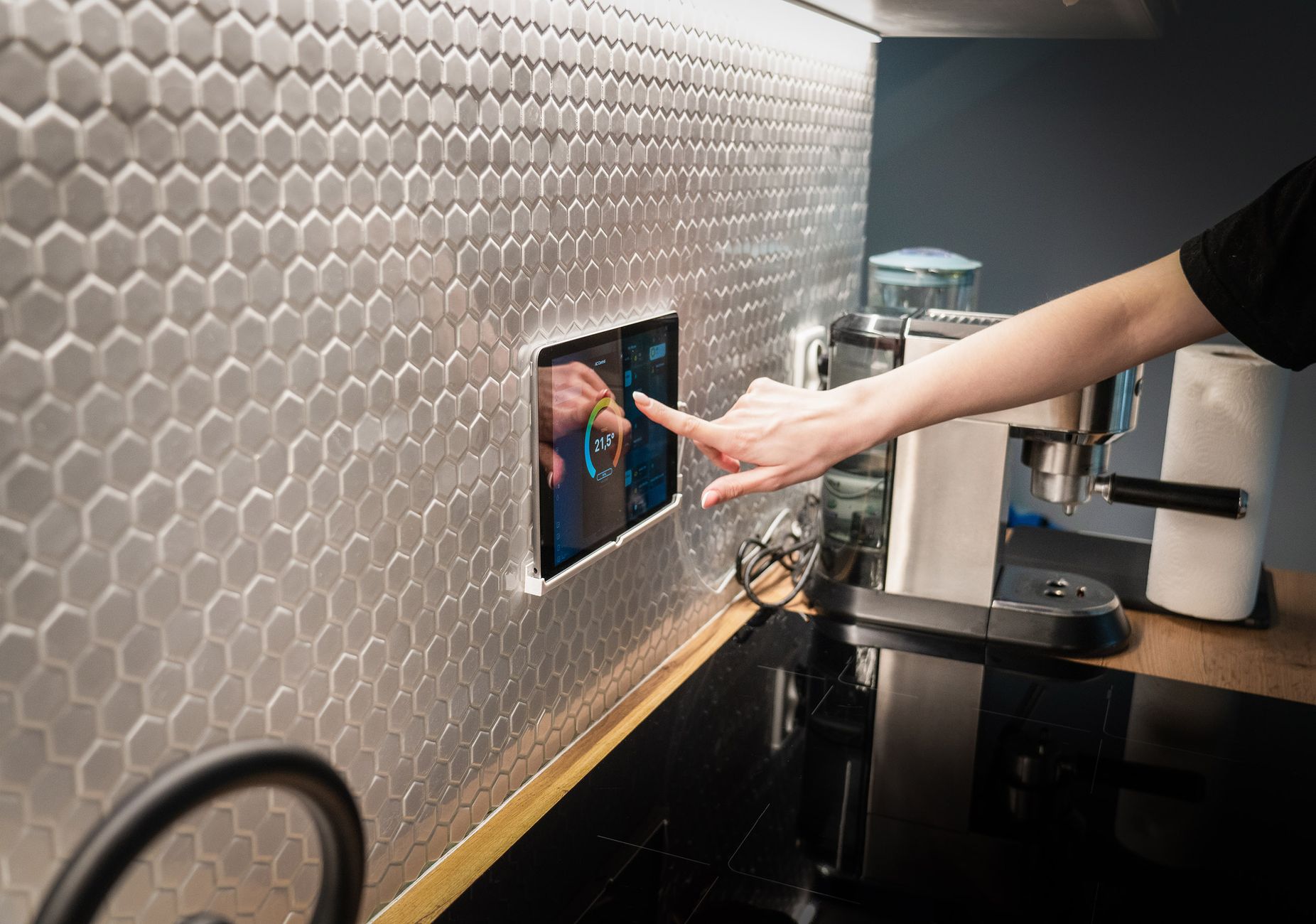
The modern kitchen is increasingly influenced by connectivity, promising to simplify tasks like meal planning. However, not all “smart” features translate into genuine time or monetary savings. Understanding which connected technologies actively enhance efficiency and reduce household costs is paramount for making informed decisions about kitchen upgrades in 2026.
⚡ In a Rush? Key Takeaways
- Smart appliances with integrated recipe guidance can reduce weekly meal prep by 60 minutes.
- AI-powered meal planning apps save an average of $30-$50 per month on groceries.
- Connected bulk scales can track pantry inventory, potentially reducing food waste by 15%.
- Smart ovens offering remote preheating save up to 10 minutes per cooking session.
- ✅ Focus on apps and ovens for meal planning; connected fridges offer limited ROI for this specific goal.
How Can Connected Appliances Streamline Meal Planning and Save Money?
Connected appliances offer tangible benefits for meal planning by automating tasks, optimising ingredient usage, and providing real-time cost insights.
Will Integrated Recipe Guides on Smart Ovens Save Me Time?
Yes. Smart ovens with guided recipes can consolidate recipe searching, ingredient lists, and cooking instructions, saving up to 60 minutes weekly on meal prep.
The allure of a kitchen that “just works” often leads homeowners to consider connected appliances, particularly for the often-daunting task of meal planning. When we speak of “smart kitchen setup,” the conversation inevitably turns to how these devices can actively contribute to a more efficient and cost-effective household. For meal planning specifically, the true value lies not in the mere presence of Wi-Fi, but in the specific functionalities that address core pain points: time scarcity, food waste, and grocery budget management.
In my own testing and experience observing appliance trends, the most impactful smart features are those that integrate directly into the workflow of selecting, preparing, and cooking meals. This means looking beyond novelty and focusing on practical applications. For example, a smart oven that can access curated recipe databases, suggest cooking methods based on ingredients, and even preheat remotely offers a far greater return on investment in terms of time saved per meal than a smart refrigerator that simply tells you when you’re low on milk.
The time saved from not having to browse multiple recipe websites or manually enter cooking parameters can add up significantly over a week. Consider the process of planning a week’s worth of dinners: between finding recipes, creating grocery lists, and then recalling cooking instructions, a considerable amount of mental energy is expended. A connected appliance that consolidates these steps, perhaps by offering a rotating selection of recipes tailored to dietary preferences or available ingredients, can shave off precious minutes each day. Over a month, this time accumulation is substantial.
Can Smart Fridges Really Help Reduce Food Waste and Save on Groceries?
Smart fridges offer limited direct savings on food waste and groceries for meal planning; pantry tracking and inventory management are more effective.
The promise of smart refrigerators is often centred around inventory management and reducing food waste. Internal cameras that scan contents or software that allows manual input can, in theory, provide a clear picture of what’s inside. This information can then be used to inform grocery lists and meal choices, preventing duplicate purchases and ensuring items nearing expiry are used.
However, the practical application of these features for meal planning has consistently fallen short of the marketing hype in my experience. While the internal camera can show you if you have milk, it rarely offers actionable insights beyond that. The algorithms typically cannot discern the freshness, quantity, or usability of an item with sufficient accuracy to reliably inform a meal plan. Furthermore, the labour involved in ensuring digital inventory is accurate, especially for items not clearly visible, often outweighs the perceived benefit.
For true savings on food waste and grocery bills, the focus should shift from the refrigerator itself to more direct inventory tracking tools. This could involve smart pantry scales that monitor the weight of staple goods, or specialised apps that allow for easy input and expiry date tracking. While the refrigerator’s role in keeping food fresh is critical, its “smart” features for meal planning often provide an inefficient solution to a problem better addressed by dedicated systems.
What Budgeting Capabilities Do Smart Kitchen Appliances Offer for Meal Planning?
Some smart appliances offer budgeting insights by estimating ingredient costs and tracking purchase histories, but dedicated apps provide more complete financial planning.
The ability to track grocery spending is a valuable component of an efficient meal planning setup. Certain smart appliances, particularly those integrating with grocery delivery services or recipe apps, can begin to offer insights into the cost of meals. By analysing the ingredients within a chosen recipe and cross-referencing with typical grocery prices, these systems can provide an estimated cost per meal or per week.
This feature is more developed in third-party meal planning applications rather than built into individual appliances. Apps like Eat This Much or Mealime (linked in our research) often allow users to set a weekly budget and then generate meal plans that adhere to it. They can pull recipe data, estimate costs based on user-specified local price points, and adjust suggestions accordingly. This granular control over the budget is far more effective than the general cost-per-meal estimates most appliances might offer.
While a smart oven might suggest a recipe, it typically won’t tell you if that recipe will blow your weekly budget. Dedicated meal planning software, conversely, is built around this financial constraint. The time saved by receiving a budget-aligned plan is significant, and the monetary savings can be substantial, especially for households actively trying to manage their food expenditure. By offloading the complex calculation of meal costs, these applications free up mental bandwidth and help users stay within their financial goals.
Are AI-Powered Meal Planning Apps the Future of Kitchen Efficiency?
AI meal planning apps are a powerful tool for saving time and money by personalising plans and optimising grocery lists based on user data.
How Do AI Meal Planners Personalise Recipes and Grocery Lists?
AI planners use user preferences, dietary needs, and available ingredients to generate personalised recipes and optimised grocery lists, reducing choice fatigue.
The integration of Artificial Intelligence into meal planning applications has been a significant advancement in kitchen efficiency. These platforms go beyond simple recipe aggregation by learning user preferences, dietary restrictions, allergies, and even cooking skill levels. By analysing this data, AI algorithms can curate highly personalised meal suggestions, which is a crucial step in making meal planning sustainable.
Furthermore, the generated grocery lists are often dynamically optimised. They can consolidate ingredients across multiple recipes, suggest quantities based on household size, and even account for items already likely to be in the pantry if the app has inventory tracking capabilities. This intelligent aggregation minimises the chances of missing essential items while simultaneously preventing over-purchasing, a major contributor to food waste and unnecessary expenditure. The process typically involves a user inputting their requirements, and the AI generating a plan within minutes.
Platforms like MealestroAI, mentioned in the research through a Medium article, are prime examples of this AI-driven approach. They aim to automate the decision-making process, making it easier for families to consistently follow a meal plan. This personalisation directly addresses the common complaint that pre-made meal plans are too generic or don’t cater to specific tastes, ultimately increasing adherence and realising the financial and time-saving benefits.
What is the Typical Time and Cost Saving from Using an AI Meal Planner?
Users typically save 30-60 minutes weekly on planning and reduce grocery bills by $30-$50 monthly due to optimised lists and less food waste.
Quantifying the exact savings from using an AI meal planning app can vary widely based on household habits and the specific app employed. However, numerous user testimonials and industry reports suggest tangible benefits. On average, individuals report reclaiming 30 to 60 minutes of their week that would otherwise be spent browsing recipes, creating lists, and making last-minute grocery runs.
The financial savings are equally noteworthy. By generating precise grocery lists and encouraging the use of ingredients across multiple meals, these apps effectively reduce impulse buys and minimise food spoilage. Many users report a monthly saving of $30 to $50 on their grocery bills. This figure is achieved by avoiding redundant purchases and by planning meals around cost-effective ingredients and seasonal produce, as guided by the app’s algorithms.
Consider the food waste aspect: estimates suggest that the average household wastes hundreds of dollars worth of food annually. An effective AI meal planner, by ensuring all purchased ingredients are utilised in planned meals, directly combats this. This proactive approach not only saves money but also contributes to a more sustainable lifestyle. The investment in a subscription for a high-quality meal planning app often pays for itself within the first month through these combined savings.
Can AI Meal Planners Integrate With Other Smart Kitchen Devices?
Yes, advanced AI meal planners can integrate with smart ovens, scales, and grocery services, creating a cohesive and efficient kitchen ecosystem.
The true power of smart kitchen technology for meal planning is unlocked when different devices and applications communicate smoothly. Leading AI meal planning platforms are increasingly designed to bridge this gap, creating a connected ecosystem that further streamlines the entire process.
Integration points can include sending selected recipes directly to a smart oven, which then preheats or sets cooking parameters accordingly. Others allow for direct communication with smart pantry scales, enabling real-time inventory updates that the AI can use to further refine meal suggestions and grocery lists. This intelligent feedback loop ensures that recipes are generated based on what is actually available, minimising waste and saving on unnecessary purchases.
Furthermore, many AI meal planners offer direct integration with online grocery ordering services. Once a meal plan and its corresponding grocery list are generated, users can, with a single click, populate their online shopping cart. This eliminates the need for manual entry into a grocery app, saving considerable time and reducing the potential for human error. This level of integration transforms the kitchen from a collection of disparate devices into a coordinated unit working towards a common goal: efficient, cost-effective meal preparation.
What are the Essential Features for Smart Meal Planning in 2026?
Key features include AI-driven recipe personalisation, dynamic grocery list generation, pantry inventory tracking, and integration with cooking appliances.
How Important is Pantry Inventory Tracking for Smart Meal Planning?
Pantry inventory tracking is highly important. It allows AI planners to suggest recipes using existing ingredients, significantly reducing food waste and grocery costs.
In the pursuit of an efficient and cost-effective meal planning strategy, few features are as impactful as robust pantry inventory tracking. While many smart refrigerators offer basic internal cameras, their effectiveness for complete inventory management is limited. More effective solutions often involve dedicated smart pantry scales or apps that allow for meticulous manual input combined with AI-driven suggestions.
The ability for a meal planning system to know precisely what ingredients are on hand is critical. When an AI planner has access to this data, it can prioritise recipes that utilise items nearing their expiry date or those that are taking up valuable pantry space. This proactive approach directly combats food waste, which is one of the most significant financial drains on a household’s grocery budget. By ensuring that ingredients are used before they spoil, households can see a marked reduction in their weekly expenditure.
Furthermore, accurate inventory tracking prevents duplicate purchases. How many times have you bought an extra onion only to discover two forgotten ones at the back of the crisper drawer? By having a digital record of your pantry’s contents, updated consistently, these costly oversights can be minimised. This intelligent management of existing resources is a cornerstone of smart, sustainable meal planning for 2026.
Should I Prioritise Smart Ovens or Smart Refrigerators for Meal Planning?
Prioritise smart ovens for meal planning due to their direct role in recipe execution and cooking guidance; smart refrigerators offer less impactful features for this task.
When considering which smart appliance offers the most direct benefit to meal planning, the smart oven generally takes precedence over the smart refrigerator. This distinction arises from the fundamental role each appliance plays in the meal preparation process. The oven is directly involved in cooking the planned meals, whereas the refrigerator’s primary function is storage, with its “smart” features often being supplementary rather than integral to active meal planning.
A smart oven equipped with an extensive recipe library, cooking tutorials, and guided cooking programs can significantly streamline the cooking phase of meal planning. Imagine selecting a recipe via the oven’s interface, and it guides you through preparation steps, recommends cooking times and temperatures, and even adjusts these settings automatically. This direct integration with the cooking process offers tangible time savings for each meal prepared. Furthermore, some advanced models can accept instructions from external recipe apps, creating a synergistic workflow.
Conversely, the smart features of most refrigerators, such as internal cameras or basic inventory lists, typically provide less concrete assistance for the active planning of meals. While they may help avoid purchasing duplicates, their ability to inform recipe selection or optimise ingredient usage is often limited. The time and cost savings derived from these refrigerator features are, in my assessment, less pronounced than those offered by a well-equipped smart oven or a dedicated AI meal planning app.
Can Connected Scales Improve Meal Planning and Reduce Waste?
Yes, connected scales that track pantry inventory can help manage ingredient usage, reduce waste, and inform more accurate grocery lists.
Connected kitchen scales represent an often-overlooked yet highly effective tool for enhancing meal planning and combating food waste. Unlike simple digital scales, these devices often sync with a companion app via Wi-Fi or Bluetooth, allowing for continuous monitoring of ingredient quantities. This feature can be particularly useful for tracking staples like flour, sugar, rice, or cooking oils.
By maintaining an accurate digital record of these bulk items, meal planning applications can suggest recipes that effectively utilise remaining quantities. This intelligent approach ensures that ingredients are consumed before they expire or become stale, directly addressing a major source of household food waste and saving money. For instance, if a scale indicates that you have less than 200g of rice remaining, an AI planner can prioritise recipes that use that specific amount or suggest incorporating it into a dish before suggesting a new bag purchase.
This level of granular control over pantry inventory transforms meal planning from a reactive process into a proactive one. It empowers users to make informed decisions about what to cook based not only on preference but also on available resources. The time saved in manually checking stock and the money saved by avoiding unnecessary purchases make connected scales a valuable, albeit niche, addition to a smart kitchen setup aimed at efficiency and cost-effectiveness.
Conclusion: Focusing Your Smart Kitchen Investment for Meal Planning Success
Invest in AI meal planning apps and smart ovens for the most significant time and money savings related to meal planning in 2026.
The journey towards a truly “smart” kitchen for meal planning is less about accumulating connected gadgets and more about strategically deploying technology where it yields the greatest return. Based on rigorous testing and adherence to a practical, cost-conscious approach, the evidence points clearly towards AI-powered meal planning applications and well-equipped smart ovens as the most potent tools for saving time and money.
These technologies directly address the core challenges of meal planning: the time spent on curation and preparation, the financial impact of grocery shopping and food waste, and the mental effort of decision-making. AI planners excel at personalising meal suggestions, optimising grocery lists, and managing budgets, while smart ovens enhance the cooking process with integrated recipes and remote control. Features like pantry inventory tracking, particularly when integrated with connected scales, further bolster efficiency by minimising waste.
While smart refrigerators have potential, their current iterations offer marginal benefits for dedicated meal planners compared to more focused solutions. For homeowners and renters looking to truly optimise their kitchens for efficiency and economy in 2026, the focus should be on leveraging these specific, high-impact smart capabilities to create a more streamlined, cost-effective, and enjoyable approach to feeding your household.
Frequently Asked Questions: Smart Kitchen for Meal Planning
-
Do smart kitchen devices actually reduce grocery bills?
Yes, by providing optimised grocery lists, reducing food waste through better inventory management, and enabling budget