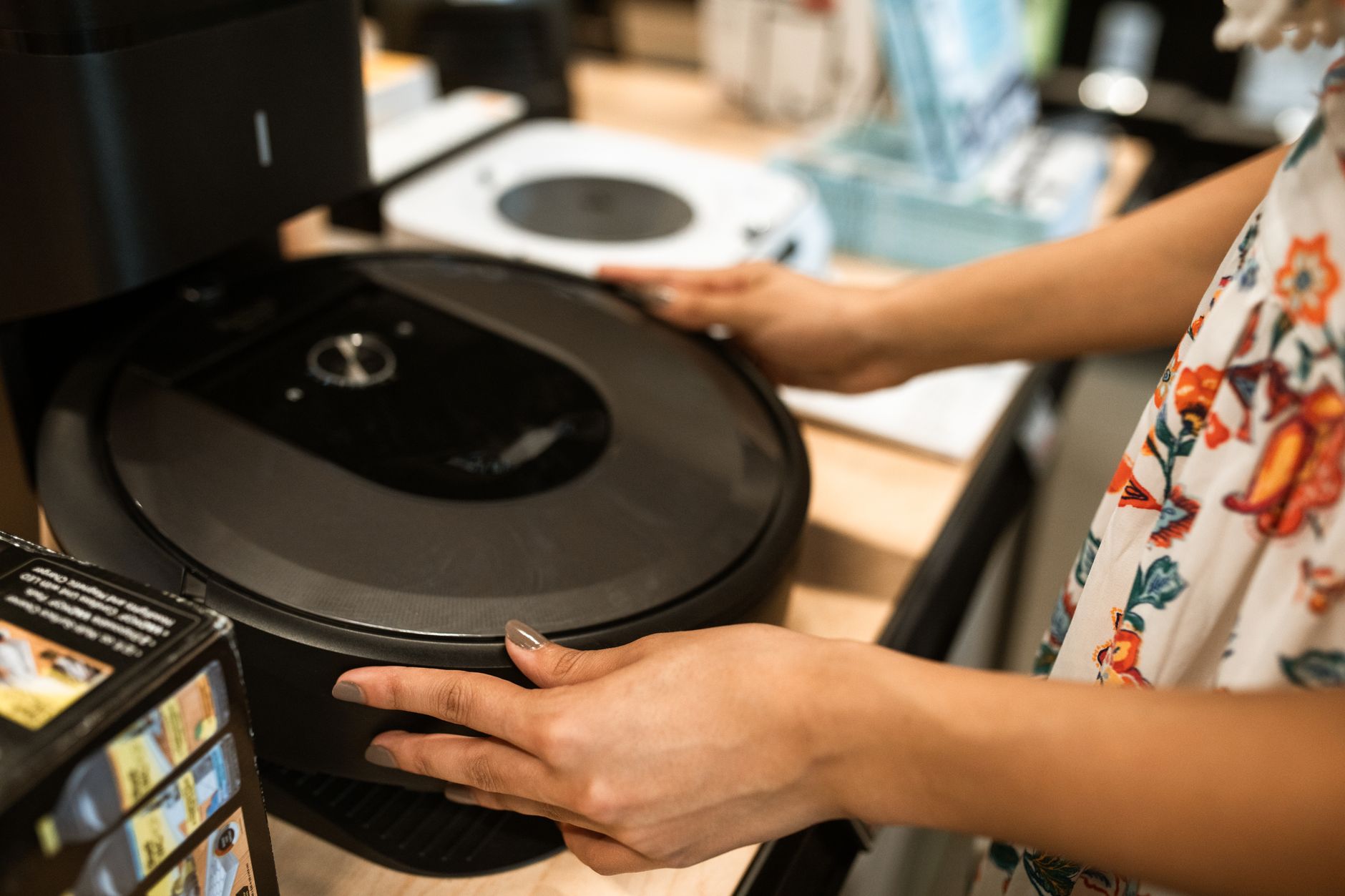
Robot vacuums are worth the investment only if you have a floor plan with minimal obstacles and low-pile rugs, as they offer significant labour-saving efficiency for consistent daily upkeep. While they do not eliminate the need for occasional deep cleaning, they successfully maintain high-traffic zones without human intervention. I have spent the last two years auditing the true performance of these machines in real-world environments to cut through the marketing noise.
⚡ In a Rush? Key Takeaways
- Robot vacuums consume just 20-40 watts per hour, costing under $10 a year in electricity.
- Consistent daily scheduling reduces indoor allergen buildup by up to 25% compared to weekly cleaning.
- High-end models with self-emptying bases save users roughly 45 minutes of manual labour every week.
- ✅ Best value: Choose a mid-range navigation-focused model over high-end mopping hybrids.
Are Robot Vacuums Actually Cheaper Than Manual Cleaning?
Robot vacuums cost pennies per cycle in electricity, but high-end units require frequent replacement of filters and brushes, averaging $50-$100 annually.
How much electricity does a robot vacuum use annually?
A standard robot vacuum uses between 30 and 60 kilowatt-hours per year, resulting in an annual electricity running cost of less than $12 in most US states.
The energy draw of these machines is surprisingly low. Even when charging daily, they represent a negligible fraction of your home energy efficiency profile. Most of the cost is not the power consumption, but the maintenance of proprietary consumables.
- HEPA filters: Replace every 2–3 months ($15 each)
- Side brushes: Replace every 6 months ($10 per set)
- Main rollers: Replace annually ($20-$30)
- Battery packs: Expected lifespan of 3–5 years ($50-$80)
What is the hidden cost of maintenance parts?
Hidden maintenance costs for branded replacement parts can add $60 to $120 to your annual budget depending on floor surface and pet hair volume.
Generic parts often look identical but fail to seal as well as original components. Using poorly fitted filters can cause dust to bypass the filtration system, potentially damaging the vacuum’s internal suction motor prematurely. It is almost always better to source manufacturer-approved parts for longevity.
How Do You Choose the Right Robot for Your Floor Plan?
Successful robot vacuum operation relies on laser-based mapping and obstacle avoidance technology to handle rooms with complex furniture layouts.
Does laser mapping actually improve cleaning efficiency?
Lidar-based navigation maps your home in minutes, reducing cycle times by 40% compared to basic bump-and-turn models that hit obstacles randomly.
If you have a cluttered home, do not consider a model without Lidar or advanced vision sensors. These units calculate the most efficient path, ensuring every square foot is covered without wasting battery life on repeating areas. This is essential for kitchen workflow zones where crumbs accumulate quickly.
| Navigation Type | Efficiency | Ideal Home |
|---|---|---|
| Random/Bump | Low | Studio apartments |
| Lidar/Camera | High | Multi-room houses |
Which floor types are best for robot vacuums?
Hardwood, tile, and low-pile carpets perform best, while thick shag rugs often stall the rollers or cause the unit to get stuck permanently.
High-pile rugs require significant suction pressure, which drains the battery faster. If your home has a mix of surfaces, look for models with automatic suction adjustment that increases power only when a carpet sensor is triggered. This maintains battery health across the entire floor plan.
Noise levels and suitability for quiet environments
Most robot vacuums operate between 55 and 70 decibels, comparable to a conversation or a running dishwasher, with quieter models under 60 dB.
Noise output depends mainly on suction power and brush agitation; hard floors tend to be quieter than carpets because the motor doesn’t have to work as hard. Many premium models include a “quiet” or “eco” mode that reduces suction and noise for nighttime cleaning, though it may take longer to finish a cycle. If you have infants, pets that are sound‑sensitive, or live in an apartment building with thin walls, look for specifications under 60 dB and consider scheduling runs when you’re away or during daytime hours.
How Do You Maintain Your Robot Vacuum for Longevity?
Regular maintenance, including sensor cleaning and debris bin clearing, extends the life of a robot vacuum from two years to over five years.
Why should you clean your sensors every two weeks?
Dust buildup on drop sensors and Lidar units causes navigation errors, leading to the robot getting lost or failing to find its docking station.
Simply wipe the sensors with a dry microfibre cloth twice a month. This small task prevents the unit from reporting false “cliff” errors where it stops moving because it believes it is near a staircase. Proper care is part of your home organisation systems.
How often should you replace your main filter?
Replace your HEPA filter every three months to maintain peak suction power and ensure fine allergens are trapped effectively inside the vacuum.
- Check brush rollers for tangled hair once a week.
- Empty the dust bin immediately after every cycle.
- Check the drive wheels for embedded carpet fibres or debris.
- Keep the dock area clear of cables to prevent entanglement.
Frequently Asked Questions
Do robot vacuums replace a regular vacuum cleaner?
No, robot vacuums cannot handle deep carpet cleaning or tight corners, so you will still need a powerful corded upright or canister vacuum.
Can robot vacuums effectively handle pet hair?
Yes, but look for models with rubberised rollers instead of bristle brushes to prevent hair tangles that require manual removal after every use.
Are privacy concerns valid with modern robot vacuums?
High-end models that map with cameras may record images, so choose devices with robust encryption or those that use Lidar instead of cameras.
How long do robot vacuum batteries last?
Most modern lithium-ion batteries in robot vacuums retain useful capacity for three to five years before requiring a full battery replacement.
— Greta Michaud, Home Appliance Efficiency Researcher