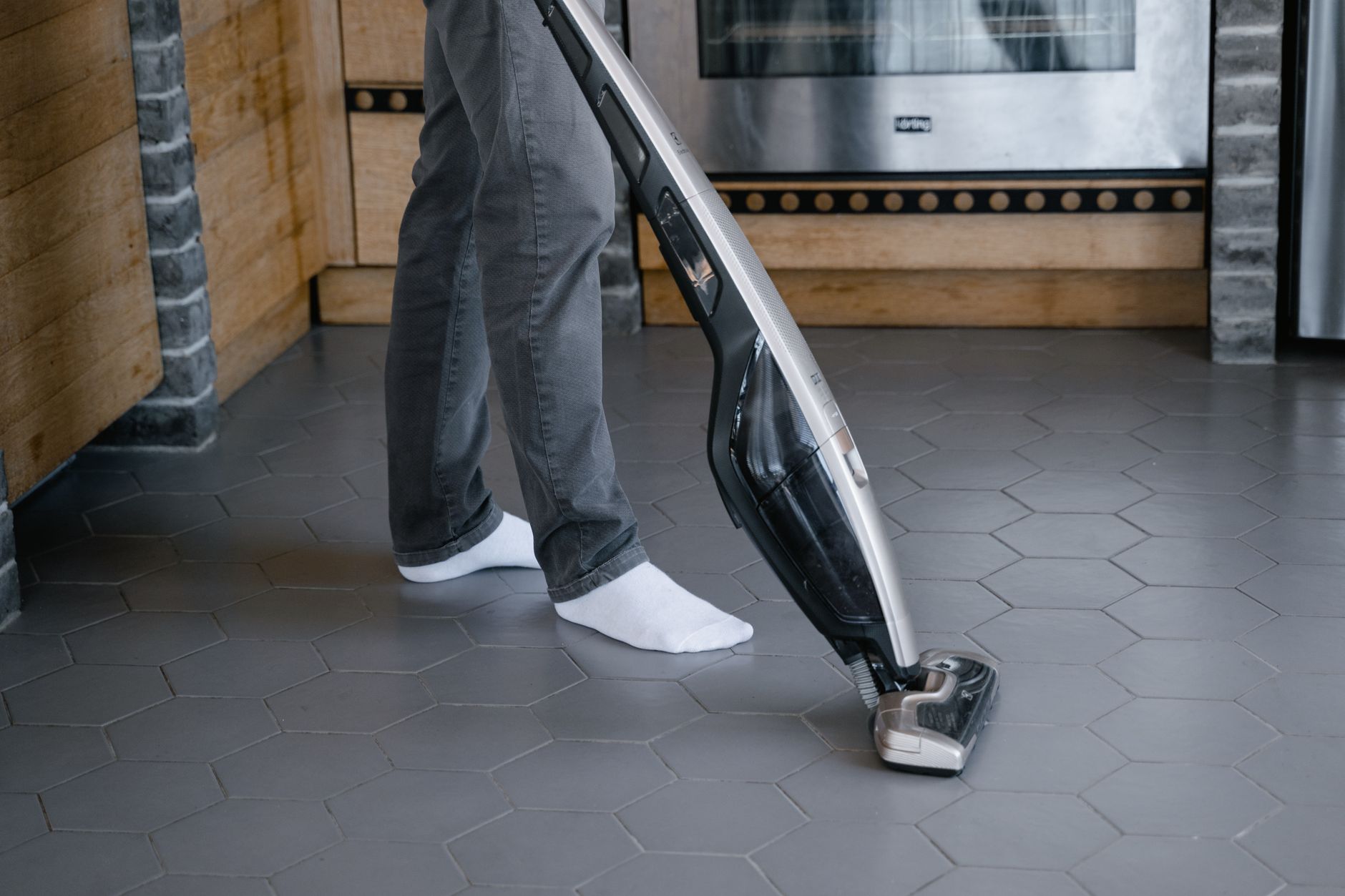
Upright vacuums are consistently more effective for deep-cleaning carpets and high-traffic areas than stick models because they use larger, more powerful motors and superior airflow dynamics. While they are heavier to maneuver, their ability to handle large floor surfaces in a single pass often reduces the total energy required per square foot.
⚡ In a Rush? Key Takeaways
- Upright vacuums typically pull 800–1,200 watts, while stick models use 150–400 watts.
- The deep-cleaning brush roll in an upright removes 30% more grit from carpets.
- Average annual maintenance costs for an upright are roughly $20–$35 for filters.
- Uprights last 10–15 years on average, compared to 3–5 years for lithium-ion sticks.
- ✅ Best choice: Use a corded upright for deep carpet care and a stick for daily spills.
Why Are Upright Vacuums Often Preferred for Carpets?
Upright units feature wider cleaning heads and high-torque brush rolls that agitate carpet fibers more effectively than lightweight stick units.
How does airflow contribute to better suction performance?
Higher airflow allows upright models to lift heavy debris and deeply embedded allergens from carpet padding where smaller vacuums fail.
The physical structure of an upright vacuum creates a shorter, more direct path for air to travel from the floor to the dust bin. This design minimizes the loss of suction pressure that occurs in the complex, curved paths often found in stick vacuums.
- Greater motor power drives larger suction fans.
- Wide floor heads cover more surface area per pass.
- Rigid brush rolls penetrate deep pile carpeting.
- Sealed filtration systems trap finer dust particles.
Why is motor size important for long-term reliability?
Larger motors operate at lower stress levels, which significantly extends the functional lifespan of the machine over many years of use.
Stick vacuums often rely on high-RPM, compact motors that generate significant heat. In contrast, the larger, corded motors in upright units are built for sustained operation, making them a better long-term investment for large houses.
Is the Weight of an Upright Vacuum a Major Concern?
Most modern upright vacuums weigh between 14 and 18 pounds, which requires more physical effort for carrying than a 6-pound stick unit.
Can you use an upright vacuum on multiple floors?
Carrying a heavy corded unit between levels is strenuous, so many homeowners prefer keeping an upright on the main floor only.
If your home features multiple levels, the ergonomics of an upright might be a drawback. You may want to look into our home maintenance systems to streamline your cleaning workflow without needing to carry heavy machinery up stairs daily.
What features mitigate the difficulty of maneuvering an upright?
Swivel steering and adjustable handle heights are standard on current models to help navigate tight spaces and around heavy furniture.
| Feature | Benefit for User |
|---|---|
| Swivel Steering | Increases agility in corners |
| Adjustable Height | Reduces wrist and back strain |
| Quick-Release Hose | Accesses stairs and upholstery |
How do upright vacuums handle pet hair and anti‑tangle technology?
Many upright models now include specialized pet‑hair brush rolls and self‑cleaning mechanisms that prevent hair from wrapping around the roller.
These brush rolls often feature staggered bristles or rubberized fins that lift and release pet hair, reducing the need for manual cleaning. Some brands also offer a detachable pet‑tool that adds extra suction power for upholstery and stairs.
Independent tests show that uprights with anti‑tangle technology remove up to 40 % more pet hair from carpets than standard brush rolls, making them a practical choice for households with dogs or cats.
Are Upright Vacuums Cheaper to Maintain Over Ten Years?
Uprights generally have lower long-term costs because they avoid the expensive battery replacements common to modern cordless stick vacuums.
Why is battery replacement a hidden cost for sticks?
Lithium-ion batteries lose capacity after 300 to 500 charge cycles, often requiring an $80–$150 replacement every three years of ownership.
When you account for the lifespan of the battery, the total cost of ownership for a premium stick vacuum can quickly exceed that of a professional-grade upright. Planning your home running costs accurately involves factoring in these unavoidable consumable expenses.
How often should filters and belts be replaced in uprights?
HEPA filters need replacement every 12 months, while drive belts typically last 3–5 years depending on carpet pile and usage frequency.
Maintaining an upright is straightforward, but neglecting filter changes can reduce motor efficiency and increase electricity usage. We recommend following a regular home cleaning system to ensure these components are swapped on time.
Frequently Asked Questions
Do upright vacuums use too much electricity?
Uprights use more watts, but since they clean faster, the total energy used per room is often comparable to running a stick vacuum longer.
Are bagless uprights better than bagged models?
Bagged models trap dust more effectively during disposal, but bagless units save money on ongoing consumable costs over the long term.
Can I use an upright on hardwood floors?
Yes, most uprights include a brush roll shut-off feature specifically designed to protect delicate hardwood surfaces from scratching.
Conclusion
For large homes with significant carpeted areas, the upright vacuum remains the superior choice for cleaning efficiency and longevity.
While stick models are convenient for quick cleanups, they cannot replace the deep-cleaning power of a corded upright. Balancing your household needs involves choosing the right tool for the specific task at hand.