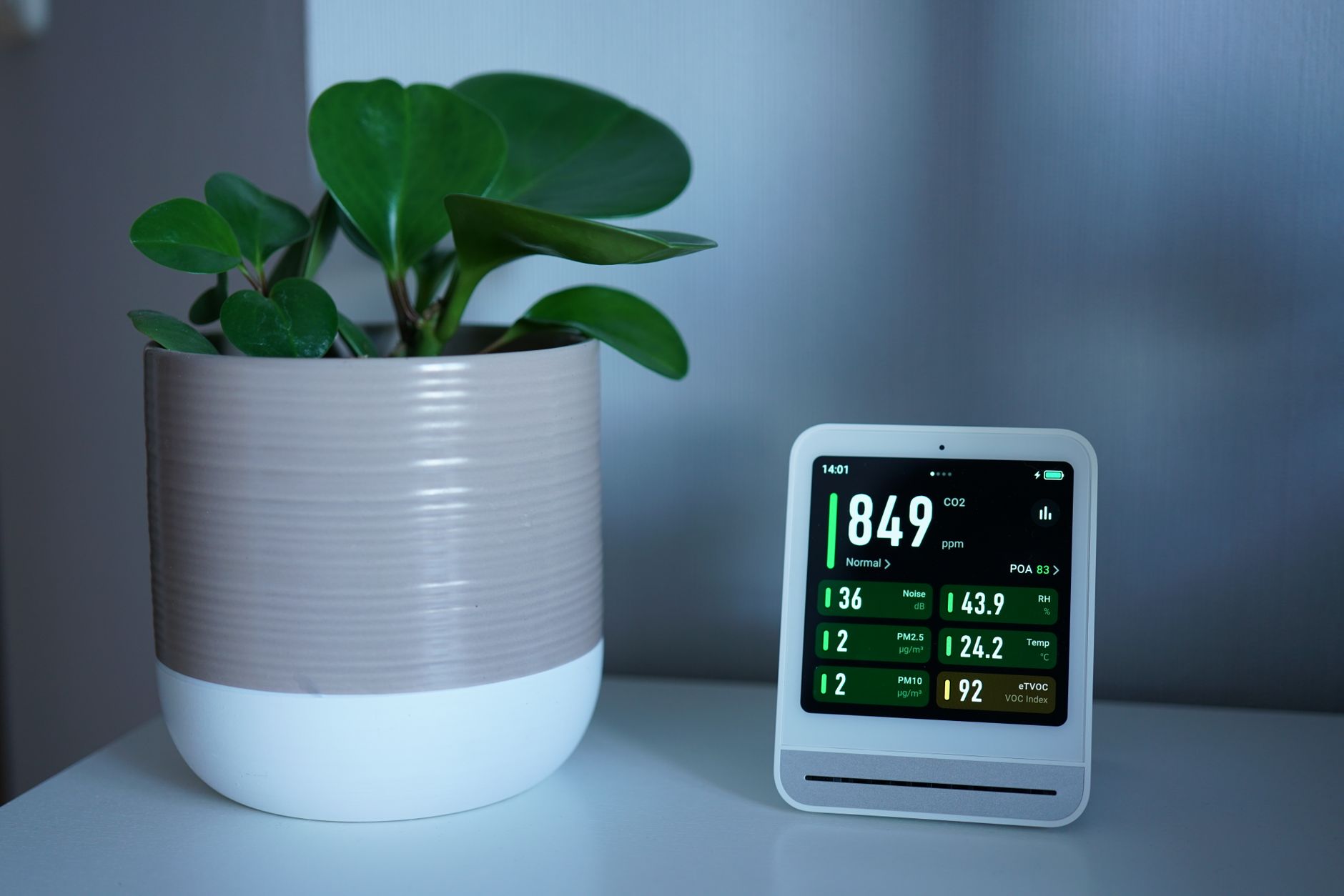
Air purifiers are effective tools for reducing indoor particulate matter, provided you match the unit’s clean air delivery rate to your specific room size and maintenance budget. While the initial purchase price is the most visible expense, the true cost of ownership is determined by electricity consumption and the frequency of HEPA filter replacements.
⚡ In a Rush? Key Takeaways
- Standard units consume 25–60 watts, costing roughly $40–$70 annually at average rates.
- HEPA filter replacements typically run $40–$100 every six to twelve months.
- Running on ‘Auto’ mode can reduce energy usage by 30% compared to constant high-speed.
- HEPA filtration is essential for 99.97% particle removal of dust, smoke, and pollen.
- ✅ Best value: Choose a unit sized for your room to avoid excessive energy strain.
How Much Electricity Do Air Purifiers Actually Use?
Most modern residential air purifiers use between 25 and 60 watts of power, leading to annual costs of roughly $35 to $75 when run continuously.
Is continuous operation the most efficient way to run them?
Running a unit on its lowest or auto setting is more efficient than cycling power, as it avoids the energy spikes of repeated start-ups.
Continuous operation allows the device to maintain air quality without the heavy energy draw required to scrub a room that has already accumulated significant dust. When a purifier starts from a high-particulate baseline, the motor works harder for longer, increasing consumption.
You can optimize your energy profile by using these settings:
- Auto-sensing mode: Adjusts fan speed based on detected particulate levels.
- Night mode: Drops the motor to minimal wattage for quiet, low-power operation.
- Timer settings: Ensures the unit only runs during hours you are actually home.
Do smart features impact the standby power consumption?
Wi-Fi enabled air purifiers typically draw 1–3 watts in standby mode, adding a negligible $2–$5 to your annual electricity bill each year.
While this is a small amount, it is a constant draw that does not stop even when the purifier fan is off. If you are concerned about overall home standby costs, plugging these into a smart power strip is a practical step.
How Do Filter Replacements Affect Long-Term Costs?
Filter replacement costs range from $40 to $120 per set, with most manufacturers recommending a change every six to twelve months of active use.
Why is the initial purchase price misleading?
Manufacturers often price the base unit low to drive volume, then charge a premium for proprietary replacement filters over the unit lifespan.
When I evaluate an appliance, I look at the ten-year ownership cost rather than the sticker price. A $100 unit with $80 annual filters is more expensive than a $250 unit with $40 annual filters.
| Filter Type | Typical Cost | Lifespan |
|---|---|---|
| HEPA/Carbon Combo | $60–$90 | 6–9 Months |
| True HEPA Only | $40–$60 | 12 Months |
| Pre-filter | $10–$20 | 3 Months |
Can you extend the life of your HEPA filter?
Vacuuming the pre-filter every month removes larger dust particles, which prevents the main HEPA filter from clogging before its scheduled date.
The pre-filter is your first line of defense. By capturing larger hair and dust, it keeps the expensive HEPA media clear for microscopic pollutants. Keeping the unit in a clean space also improves overall maintenance efficiency.
Are Air Purifiers Worth the Cost for Your Health?
Air purifiers are highly effective for managing indoor allergens, wildfire smoke, and household dust, provided they use true HEPA rated filters.
Do they actually reduce indoor dust levels?
Air purifiers capture airborne particles before they settle on surfaces, effectively reducing the frequency of your regular house cleaning needs.
They will not eliminate dust entirely because human skin and fabric movement constantly create new particles. However, they stop the cycle of air-to-surface settling, making cleaning systems more efficient over time.
Which certifications should you look for?
Look for the AHAM Verifide seal and True HEPA certification to ensure the machine actually filters air to the 99.97% efficiency standard.
Cheap units often use “HEPA-type” filters that do not meet strict testing standards. Always verify the CADR (Clean Air Delivery Rate) to ensure the machine is powerful enough for your room’s square footage.
Frequently Asked Questions
Do air purifiers need to run 24/7?
No, but continuous operation at a low setting is often more energy-efficient and effective for maintaining consistent indoor air quality levels.
Will an air purifier eliminate pet odors?
Only if the unit includes a dedicated activated carbon filter, which chemically absorbs gaseous pollutants and odors from the indoor air.
How do I know when the filter needs replacing?
Most modern purifiers feature an indicator light, but checking the filter manually for graying or blockage every few months is a better habit.
Can air purifiers help with seasonal allergies?
Yes, they are very effective at removing pollen and spores, provided windows remain closed to prevent new allergens from entering the home.
Our Verdict
Air purifiers are a sound investment if you suffer from allergies or live in an area with high pollution, provided you prioritize units with reasonable replacement filter costs. Before purchasing, verify the CADR rating and calculate the annual replacement cost to avoid an appliance that becomes a liability rather than a benefit.
— Greta Michaud, Home Appliance Efficiency Researcher