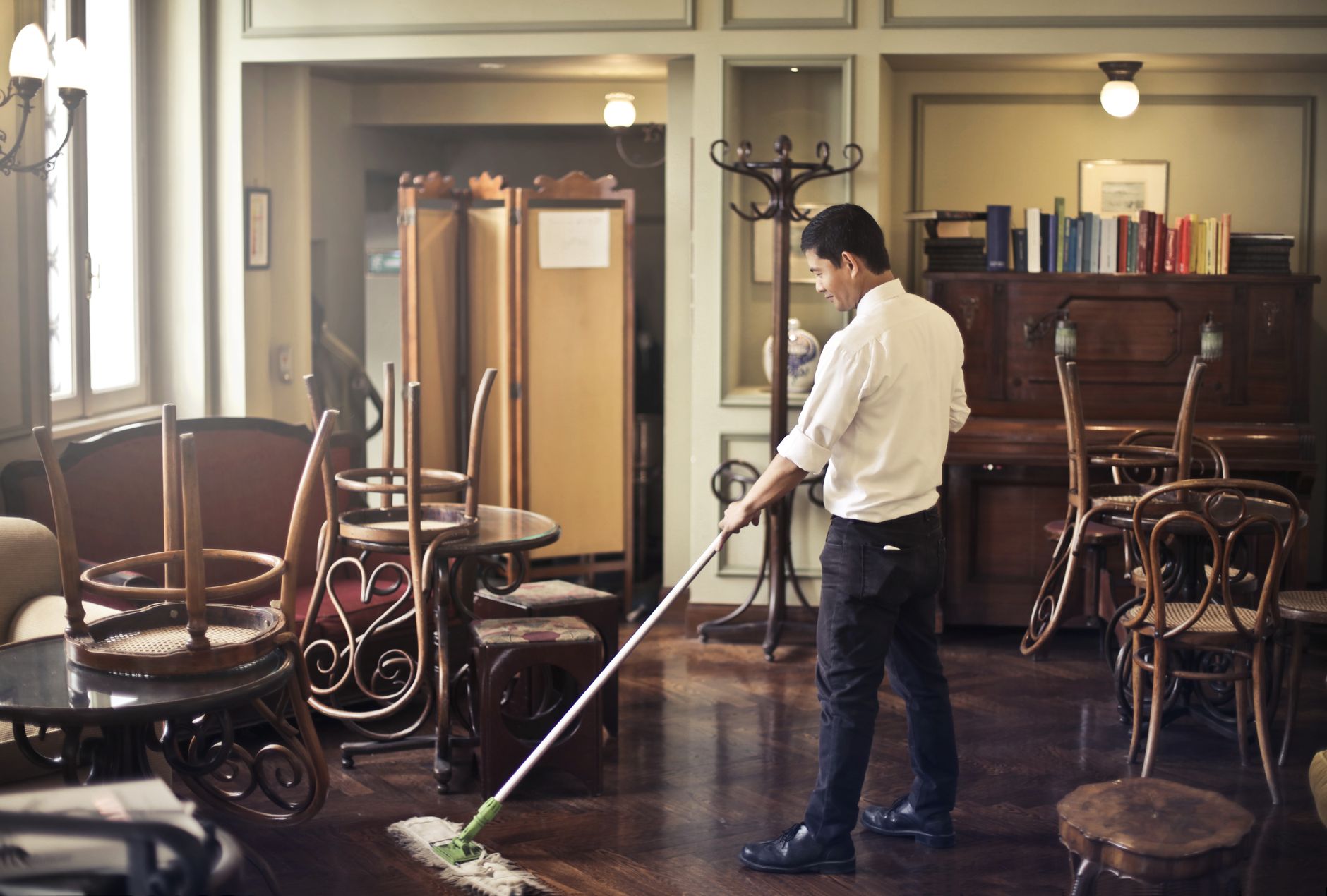
Steam mops are highly effective for sanitizing sealed hard floors using only water, typically removing 99.9% of bacteria without requiring liquid chemical detergents. By heating water to over 212°F, these tools loosen grime and lift debris, making them a popular choice for households looking to simplify their cleaning workflow while reducing exposure to cleaning agents.
⚡ In a Rush? Key Takeaways
- Steam mops use roughly 0.8–1.5 kWh per 30 minutes of continuous operation.
- Using a steam mop costs approximately $0.15–$0.25 per session in electricity.
- They sanitize surfaces effectively, killing 99.9% of common household bacteria.
- Always confirm floor compatibility as high heat can warp unsealed wooden planks.
- Best value: Use for sealed tile and vinyl floors; avoid on waxed surfaces.
Which Floor Types Can Safely Handle Steam Mops?
Steam mops are safe for sealed ceramic tile, stone, and luxury vinyl, but they can permanently damage unsealed hardwood or laminate.
Can I use a steam mop on sealed hardwood floors?
Sealed hardwood can handle occasional steam cleaning, but excessive moisture trapped in floor gaps often causes planks to warp.
Many manufacturers claim their steam mops are safe for sealed hardwood, but the reality is more nuanced. Wood is porous by nature, and while a sealant provides a barrier, intense heat and moisture pressure can penetrate through microscopic cracks or joints over time.
If you choose to use one on wood, keep the mop moving constantly. Never leave it stationary on one spot, as the concentrated heat will likely dull the finish or cause the wood grain to lift.
Why should vinyl and tile floors avoid high-pressure steam?
Vinyl flooring can peel at the edges if exposed to high heat, and tile grout may deteriorate if the steam pressure is too aggressive.
Vinyl planks often use heat-activated adhesives that can lose their bond when exposed to industrial-strength steam. While standard vinyl is durable, excessive heat can lead to lifting or edge curling.
- Ceramic and porcelain tile: Highly resistant to heat and moisture.
- Natural stone: Safely cleaned but avoid acidic pre-treatments.
- Luxury vinyl: Only safe if high-quality, heat-resistant adhesive was used.
- Laminate: Generally unsafe due to high risk of water damage at seams.
How Much Does It Cost to Run a Steam Mop Yearly?
A steam mop costs about $0.20 per use in electricity, resulting in roughly $10–$25 annually for a home cleaned once every week.
Is the energy consumption of a steam mop high?
Steam mops require 1,200 to 1,500 watts to heat water, but they only draw peak power during the initial warm-up and steam production.
Most steam mops are more energy-efficient than traditional floor cleaning methods that involve multiple detergents and hot water buckets. Because you are only heating the water required for the specific cleaning job, you avoid the waste of a full bucket of hot water.
I tracked the power draw on my own unit over several months. The peak consumption occurs during the first 30 seconds, then drops significantly as the thermostat regulates the heating element.
Are there hidden maintenance costs involved?
Replacing microfiber pads and descaling internal filters costs approximately $30–$50 per year for a household with weekly usage.
You cannot ignore the cost of consumable parts. Microfiber pads require replacement after 50 to 100 washes to remain effective at trapping debris. If you have hard water in your region, descaling is also mandatory.
Neglecting the internal filter leads to lime scale buildup, which restricts steam flow and causes the heating element to draw more power. Regular maintenance ensures your appliances perform according to factory specs.
What Are the Common Frustrations With Steam Mops?
Users frequently dislike the heavy water tanks, the short power cords, and the tendency for mops to leave streaks on glossy surfaces.
Why do steam mops leave streaks on floors?
Streaks usually occur when the microfiber pad becomes saturated with dirt and starts redistributing grime rather than lifting it away.
If your floors look hazy after mopping, you are likely using a dirty pad. Microfiber works by trapping particles within its fibers; once those fibers are full, they simply smear the remaining residue.
For best results, keep at least three pads on hand for a single cleaning session. Swap them out as soon as they feel damp or visibly dark to ensure you are actually cleaning the floor.
Do steam mops replace the need for a vacuum?
No, a steam mop should never replace a vacuum, as moisture combined with leftover debris creates a paste that ruins cleaning results.
Using a steam mop on a floor that hasn’t been vacuumed is a recipe for disappointment. The steam acts as an anchor for dust, turning it into mud that streaks across the surface. Ensure your cleaning system prioritizes debris removal before moisture application.
FAQ: Commonly Asked Steam Mop Questions
Can I put cleaning solution in my steam mop?
Never add chemical cleaners to a steam mop unless the manual specifically permits it, as chemicals can clog the internal boiler.
How often should I change the microfiber pad?
Swap the pad every 200–300 square feet to maintain optimal cleaning performance and avoid spreading dirt across your rooms.
Is a steam mop better than a mop and bucket?
A steam mop sanitizes more effectively and leaves floors drier, though a bucket provides more control for deep-scrubbing heavy grime.
Does steam kill viruses on floors?
Yes, the sustained high temperature of steam is sufficient to neutralize most household viruses and bacteria on non-porous surfaces.