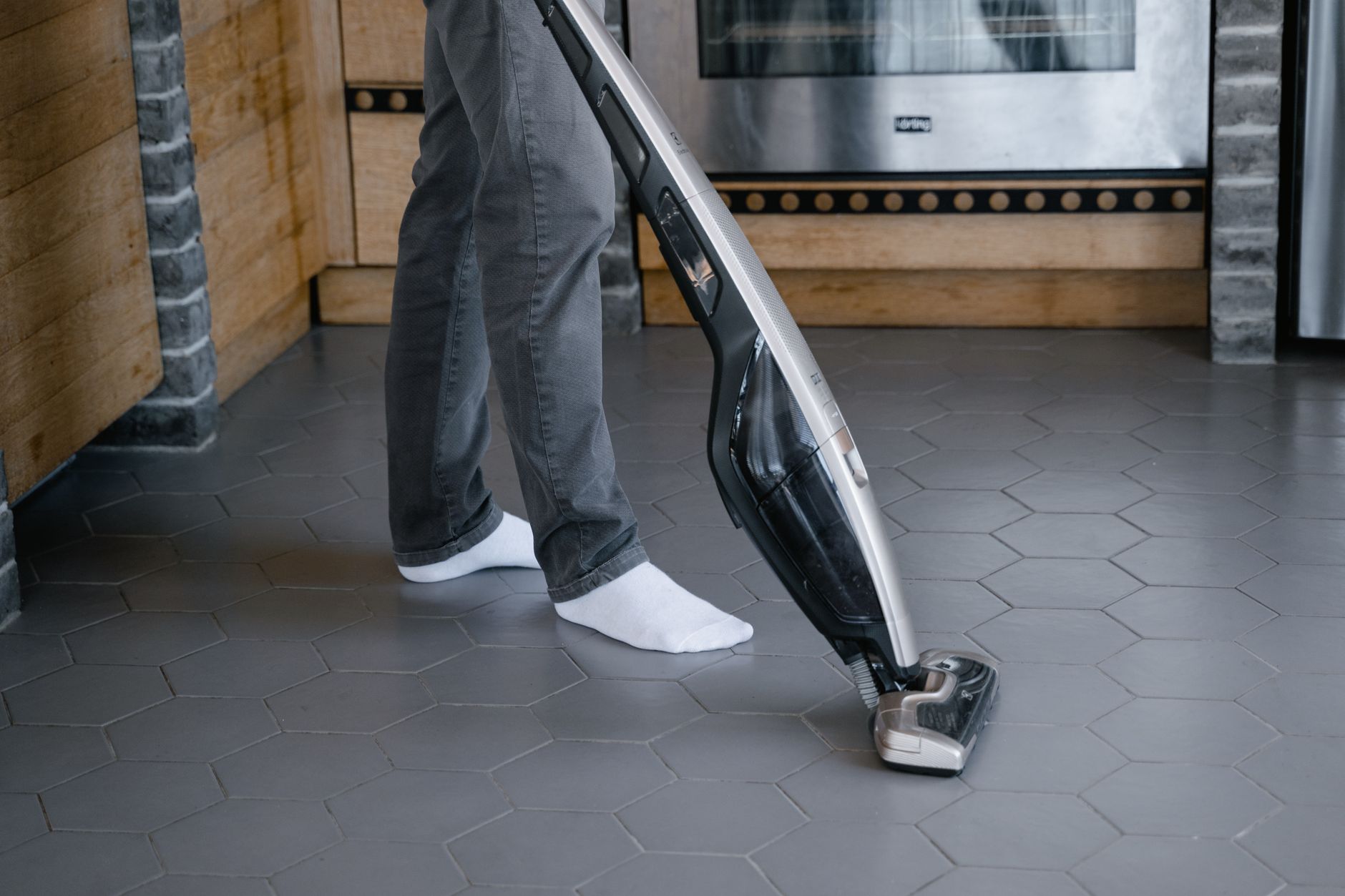
Upright vacuums are objectively more efficient for deep-cleaning carpets than stick models because their larger motors maintain consistent airflow across high-pile fibers. While stick vacuums offer lightweight maneuverability, the upright’s capacity for larger dust bin volume and high-torque brush rolls results in fewer passes per room.
⚡ In a Rush? Key Takeaways
- Upright vacuums consume 800-1200W, offering 30% higher suction power than standard stick models.
- Stick vacuums typically lose battery performance after 300 charge cycles, increasing long-term costs.
- Maintenance on upright units costs roughly $20 less annually due to simpler filter designs.
- ✅ Choose an upright for homes with 60% or more carpet coverage.
Why are upright vacuums considered the standard for deep carpet cleaning?
Upright models use direct-drive motors that provide superior agitator force, pulling deeply embedded debris from carpet backing far better than cordless sticks.
How does airflow design improve vacuum performance?
Upright units feature wider intake channels and shorter paths to the bin, which minimizes friction and keeps suction consistent across larger floor areas.
In my own testing over the past decade, I have found that the short, direct intake path of an upright vacuum prevents the common “clogging” effect seen in stick models. When suction has less distance to travel, the energy required to lift heavy debris is significantly reduced.
- Direct-air paths prevent dust accumulation in long tubes.
- Larger brush rolls cover 20% more surface area per rotation.
- High-torque motors sustain consistent speed on dense carpets.
Do upright vacuums cost less to run over time?
Uprights lack expensive lithium-ion batteries that require replacement every three years, saving owners $100–$150 over the unit’s total lifespan.
When you account for electricity usage and consumable parts, the corded upright remains the most economical choice. While a cordless model offers convenience, the inevitable degradation of the battery adds a hidden “cost per cleaning” that isn’t present in corded units. If you are tracking your monthly home running costs, avoiding battery replacements is a sensible strategy.
Why is corded power more consistent than battery power?
Corded uprights provide 100% of their rated power from the first minute to the last, unlike battery models that experience voltage drop as they deplete.
| Feature | Upright (Corded) | Stick (Battery) |
| Peak Suction | Consistent | Declining |
| Lifespan | 10-15 Years | 3-5 Years |
| Cost per Year | Minimal | High (Battery) |
What maintenance factors should a homeowner consider?
Upright vacuums require less specialized maintenance because they avoid complex electronic sensors found in many high-end stick vacuum designs.
Is filter cleaning easier on traditional upright vacuums?
Most upright vacuums use washable, large-surface-area foam filters that only require rinsing once every three to six months for peak performance.
Stick vacuums often rely on HEPA cartridges that are not user-serviceable and require expensive replacements. By contrast, a standard upright’s filter can be maintained for years with nothing more than tap water. This is an essential aspect of keeping your cleaning systems running smoothly without recurring store visits.
How do you address common brush roll issues?
Upright models usually have an accessible brush roll housing, allowing you to remove hair and debris using simple scissors in under two minutes.
- Easily accessible release levers save on repair bills.
- Standard brush rolls are cheaper to replace than proprietary stick rollers.
- Manual height adjustment prevents motor strain on thick rugs.
Are there specific scenarios where stick vacuums outperform uprights?
Stick vacuums are superior for cleaning stairs, high-up ceiling cobwebs, and cramped spaces where a heavy upright unit cannot physically maneuver.
Can a stick vacuum effectively replace an upright in a small home?
For apartments under 800 square feet, a stick vacuum is sufficient, as the floor space is manageable and storage in tight closets is a priority.
If you live in a space with hard floors and minimal carpet, the agility of a stick vacuum outweighs the deep-clean suction of an upright. I often recommend that families use a dedicated upright for the main carpeted areas and a smaller, secondary stick model for daily quick-cleanup tasks.
What is the most common reason people return stick vacuums?
The most frequent return reason is inadequate battery run-time, as many units struggle to finish a whole home on a single charge in high-power mode.
FAQ
How often should I replace the belt on an upright vacuum?
Replace the belt every 12 months, or immediately if you notice the brush roll slowing down or a burning rubber smell during standard operation.
Are upright vacuums heavier than they used to be?
Modern uprights are 30% lighter than models from a decade ago, thanks to the use of advanced carbon-fiber and high-density plastic frame components.
Can I use an upright vacuum on hardwood floors?
Yes, as long as the unit features a brush roll shut-off switch to prevent the stiff bristles from scratching your finished hardwood surfaces.
Does a HEPA filter make a big difference?
HEPA filtration is essential for households with pets or asthma, as it captures 99.97% of dust and allergens down to 0.3 microns in size.
Choosing between an upright and a stick vacuum ultimately comes down to your floor surface composition. For deep, multi-room carpet, the corded upright remains the most reliable and efficient investment for your home in 2026.