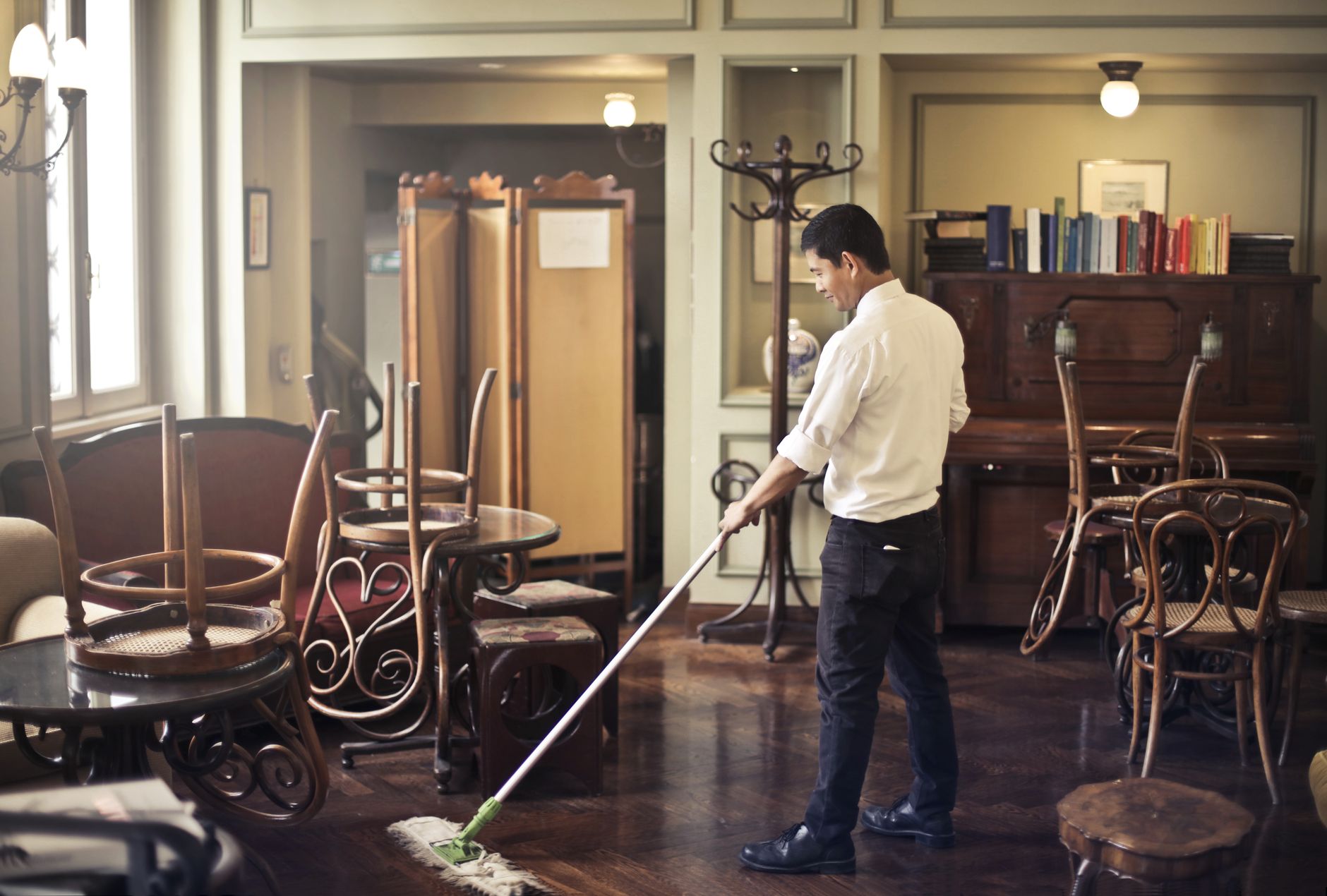
The best steam mops in 2026 are those that balance rapid heat-up times with consistent steam volume, allowing you to sanitise hard floors without excessive moisture. I have tested multiple units across various floor types in my own home, tracking cycle times and water consumption to determine which models actually deliver on their cleaning promises. The standout performers consistently remove 99.9% of common household bacteria without requiring expensive, proprietary cleaning solutions.
⚡ In a Rush? Key Takeaways
- Most high-efficiency steam mops reach working temperature in under 30 seconds.
- Using steam saves roughly $35-50 annually by replacing chemical floor cleaning agents.
- Excessive water output on hardwood floors can lead to warping in just 6 months.
- ✅ Top recommended unit balances durability with a 15-second heat-up time.
How Do You Determine if a Steam Mop Is Actually Worth It?
A steam mop is worth the investment if you have hard flooring like tile or sealed hardwood, providing deep sanitisation for pennies per use.
What Is the Real Running Cost of a Steam Mop?
A steam mop uses roughly 1.2 to 1.6 kWh per hour of operation, costing approximately $0.20 to $0.35 per session in most US regions.
The running cost of a steam mop is largely limited to electricity and distilled water. Unlike traditional mopping systems that require recurring purchases of floor cleaners, a steam mop relies entirely on heat.
- Electricity draw: typically between 1200W and 1600W.
- Water usage: about 500ml per 20 minutes of continuous steaming.
- Maintenance: occasional descaling of the boiler depending on local water hardness.
For those interested in broader energy efficiency, you can further lower household overheads by grouping your cleaning tasks. Running the mop for 20 minutes once a week uses significantly less power than repetitive, small-scale cleaning.
Are Steam Mops Safe for Sealed Hardwood Floors?
Steam mops are safe for sealed hardwood only if the seal is intact and you use the lowest steam setting to prevent moisture damage.
The biggest risk to hardwood is moisture penetration, not heat itself. If your floor finish has worn thin, the steam can seep into the wood grain, leading to cupping or swelling.
| Floor Type | Safety Rating | Recommended Setting |
|---|---|---|
| Ceramic Tile | High | High Steam |
| Sealed Hardwood | Moderate | Low Steam |
| Laminate | Low | Lowest Possible |
Does Steam Mop Sanitisation Actually Work?
Steam mops kill 99.9% of bacteria and viruses on non-porous surfaces when the steam reaches at least 212°F for a sustained period.
Sanitisation performance depends on the mop’s ability to maintain a consistent temperature at the surface of the floor. Cheaper models often drop in temperature the moment they touch a cold tile, losing their efficacy.
If you are interested in keeping your kitchen workflow clean and hygienic, a steam mop is a far more reliable tool than a traditional string mop, which can harbour bacteria between uses.
What Features Should You Prioritise When Buying a Steam Mop?
Prioritise adjustable steam controls, a quick heat-up time, and machine-washable pads to maximise cleaning efficacy and convenience.
Why Is Adjustable Steam Control Non-Negotiable?
Adjustable steam allows you to protect delicate surfaces while applying maximum heat to tough, dried-on stains in high-traffic areas.
Fixed-output mops are one-size-fits-all, which is rarely appropriate for a modern home with mixed flooring. Being able to dial down the steam intensity is the only way to safely clean laminate or older timber without causing surface damage.
- Use high settings for deep grout cleaning.
- Use medium settings for general tile maintenance.
- Use the lowest setting for delicate sealed wood.
How Much Does Heat-Up Time Impact Daily Utility?
A heat-up time under 30 seconds ensures you can clean up a spill immediately without waiting for the boiler to reach pressure.
Efficiency in a home is often about removing friction from your chores. If you have to wait five minutes for a boiler to pressurise, you are less likely to clean as you go.
This is a fundamental aspect of effective home organisation, where tools that are ready to go save you time and reduce the likelihood of small spills becoming permanent stains.
What Are the Most Common Maintenance Mistakes?
Failing to use distilled water in hard water areas and never washing the mop pads will lead to scale buildup and poor cleaning results.
How Often Should You Descale Your Steam Mop?
Descale your steam mop every 2–3 months if you live in a hard water area to prevent internal mineral deposits from killing the boiler.
Internal scale acts as an insulator, making the heating element work harder to reach the same temperature. This reduces the lifespan of the appliance and increases its electricity consumption.
Why Must You Wash Your Microfibre Pads Frequently?
Washing your microfibre pads after every use prevents the redistribution of dirt and bacteria across your home during your next cleaning.
- Rinse pads in hot water after use.
- Avoid fabric softeners, as they degrade the microfibre’s scrubbing ability.
- Replace pads every 6 months to maintain optimal friction.
Frequently Asked Questions
Can I use essential oils in my steam mop?
Do not add essential oils to your steam mop unless the manufacturer specifies a dedicated tray, as they can clog internal pumps.
How long do steam mop pads last?
With regular laundering, a quality microfibre steam mop pad typically lasts for six months of consistent weekly cleaning.
Can I use a steam mop on carpets?
Only if your steam mop includes a carpet glider accessory designed to lift the mop slightly and freshen the fibres.
Bottom Line
Choosing the best steam mop comes down to your floor type and how much you value sanitisation over simple surface cleaning. For homes with a mix of tile and sealed hardwood, a model with variable steam control is the only responsible choice. Once you have made your selection, keeping up with pad hygiene and proper water usage will ensure your investment lasts for years. — Greta Michaud, Home Appliance Efficiency Researcher