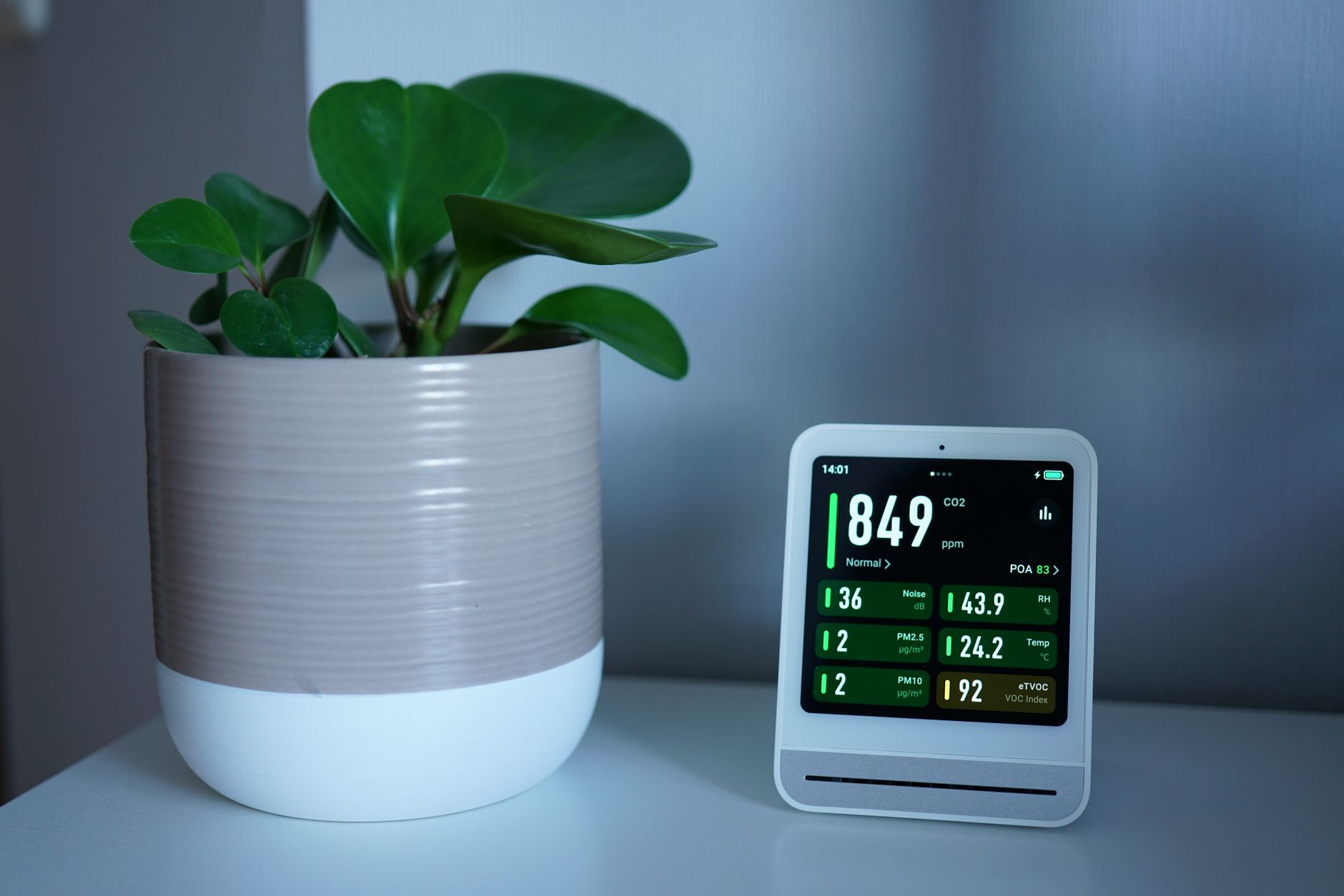
Air purifiers are effective tools for removing particulate matter like dust, dander, and smoke from a single room, but they cannot solve underlying ventilation issues or structural humidity problems. While they are not a cure-all for every home comfort challenge, choosing the right unit involves balancing filter efficiency against the unavoidable costs of electricity and maintenance.
⚡ In a Rush? Key Takeaways
- Standard HEPA purifiers use 40-100W, costing roughly $40-$90 annually in electricity.
- True HEPA filters capture 99.97% of particles down to 0.3 microns, the industry gold standard.
- Activated carbon filters are necessary for removing odors and gases, not dust or pollen.
- Performance depends on CADR (Clean Air Delivery Rate) relative to your room’s square footage.
- ✅ Best value: Choose a unit with a long-lasting filter, as replacements are the true hidden cost.
How Do Air Purifiers Actually Function?
Air purifiers draw ambient air through a series of physical filters or electrical charges to trap debris before circulating clean air back.
What Does HEPA Actually Mean for Air Quality?
HEPA stands for High Efficiency Particulate Air, a designation requiring filters to trap 99.97% of particles that are 0.3 microns in size.
A filter labeled ‘HEPA-type’ or ‘HEPA-like’ does not meet the strict efficiency standards of a True HEPA filter. When you are looking for medical-grade performance, only ‘True HEPA’ will suffice for trapping fine dust, pollen, and pet dander.
- True HEPA: Guaranteed 99.97% efficiency at 0.3 microns.
- HEPA-type: Variable efficiency, often significantly lower than True HEPA.
- Washable filters: Rarely achieve true HEPA efficiency after the first cleaning.
Why Is Activated Carbon Necessary for Odors?
Activated carbon uses a porous structure to adsorb gaseous pollutants, chemicals, and odors that HEPA filters cannot physically capture.
If your goal is to remove smoke, cooking smells, or VOCs from new paint or furniture, a HEPA filter alone will fail. You need a dedicated activated carbon stage, which works through adsorption, binding gas molecules to the surface of the carbon.
| Filter Type | Best For | Maintenance |
|---|---|---|
| HEPA | Dust, dander, pollen | Replace every 6-12 months |
| Activated Carbon | Odors, VOCs, gases | Replace every 3-6 months |
| Pre-filter | Large dust, hair | Vacuum monthly |
What Are the Real Running Costs of Air Purifiers?
Air purifier costs consist of two parts: the electricity for 24/7 operation and the mandatory, recurring expense of filter replacements.
How Much Electricity Do They Use Per Year?
Most modern air purifiers consume 40 to 100 watts on medium settings, resulting in an annual electricity cost between $40 and $90.
If you run your purifier on high continuously, the cost scales linearly. Many modern units include ‘Auto’ modes that sense particle levels, which is the most effective way to keep your energy bills low.
- Low setting: Often below 20 watts.
- High setting: Can exceed 150 watts on larger, high-CADR units.
- Smart sensors: Reduce usage by 30% by idling when air quality is clear.
Why Are Filter Replacements So Expensive?
Manufacturers often price units competitively while charging a premium for proprietary replacement filters that arrive every six months.
Always verify the cost of the replacement filter set before purchasing a specific model. I have seen budget units that require $80 filters twice a year, effectively doubling the cost of the machine within twenty-four months of light use.
If you are concerned about your household running costs, read my guide on calculating home office electricity usage to understand how smaller devices impact your overall energy bill.
Optimal Placement for Maximum Effectiveness
Where you place an air purifier dramatically influences how quickly it cleans the room’s air.
For best results, position the unit at least a few feet away from walls and furniture to allow unrestricted airflow intake and output. Place it near the primary source of pollutants—such as a pet’s sleeping area, kitchen stove, or smoking zone—but avoid putting it directly behind obstacles that block the vents. Ideally, the purifier should sit at breathing height (about 3–5 feet off the floor) when you are seated or lying down, so the cleaned air reaches you directly.
In larger rooms, consider using two smaller units or a single high‑CADR model positioned centrally; running the purifier on a low‑to‑medium fan speed while keeping doors closed helps maintain a clean air bubble. Avoid placing the unit in corners or behind curtains, as this can create dead zones where contaminated air lingers.
Frequently Asked Questions
Can Air Purifiers Actually Remove Mold Spores?
Yes, a True HEPA purifier captures mold spores circulating in the air, but it cannot kill mold growing on your walls or furniture.
Should I Run Purifiers 24/7 or Only When Home?
Running them 24/7 provides the best results, as air changes occur constantly; if energy costs concern you, use an auto-mode sensor.
Do They Help With Pet Allergies?
Yes, purifiers capture dander efficiently, but you must supplement usage with frequent vacuuming to remove pet hair from carpets.
Can They Replace Proper Home Ventilation?
No, purifiers only clean existing air, whereas ventilation provides essential fresh air that helps reduce indoor humidity levels.
To ensure your home maintains a healthy balance, you might consider my notes on how to keep your sleeping environment clean without relying solely on mechanical filtration. Remember that proper maintenance of your basic home maintenance tasks will always provide a better return on your effort than adding another appliance. — Greta Michaud, Home Appliance Efficiency Researcher