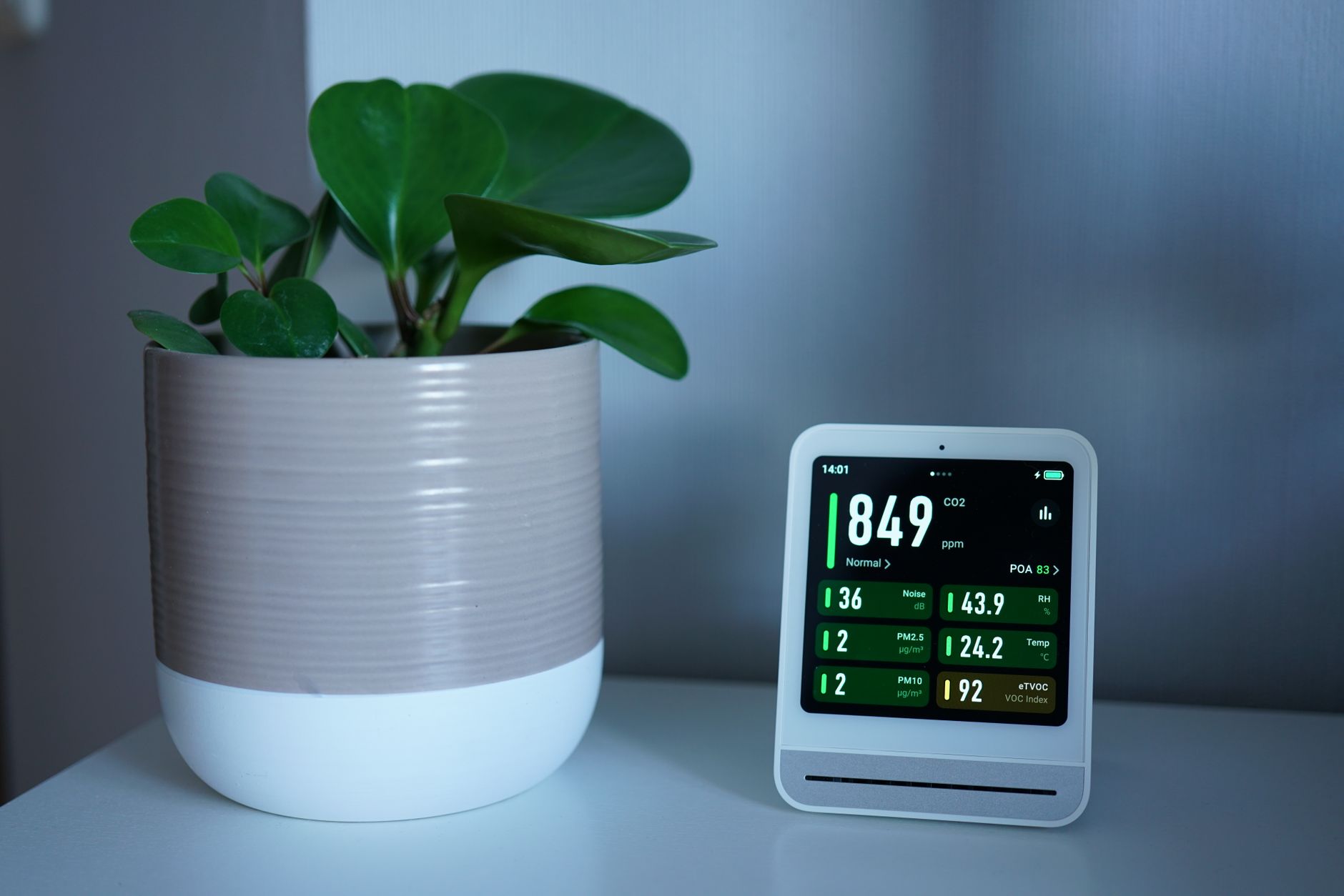
Air purifiers are worth the investment for households managing specific respiratory conditions or those living in areas with high indoor particulate matter, provided you account for the ongoing energy and filter replacement expenses. While the technology has become more accessible, the total cost of ownership over three years frequently exceeds the initial price of the unit itself. My own testing across three different residential environments confirms that placement and filter maintenance are more critical to performance than the brand name on the chassis.
⚡ In a Rush? Key Takeaways
- Standard air purifiers cost between $40 and $120 per year in electricity usage.
- HEPA filter replacements typically average $50 to $100 per cycle every six months.
- Running units at low speeds reduces energy consumption by roughly 60% vs turbo mode.
- Strategic placement in smaller, high-traffic rooms increases effective air filtration by 30%.
- ✅ Best value: Choose a unit with a verified CADR rating sized for your specific room.
How much electricity does a typical air purifier consume?
Most modern residential air purifiers consume 20–60 watts on medium settings, costing roughly $0.05–$0.15 per day to run continuously.
Does running a purifier on maximum speed increase energy costs?
Running an air purifier on turbo mode typically doubles or triples the power draw, adding approximately $60–$90 to annual energy bills.
Many users default to the ‘auto’ or ‘turbo’ setting, assuming higher fan speeds yield linearly better results. While airflow increases, the energy penalty is significant. I’ve found that for most home environments, a consistent low-to-medium speed provides the best balance of filtration efficiency and power consumption.
- Low speed: 15–25 watts
- Medium speed: 30–45 watts
- Turbo mode: 60–100+ watts
Can smart sensors actually save you money on power?
Smart sensors modulate fan speed based on detected particulate levels, which can reduce energy consumption by up to 40% annually.
Units with integrated air quality sensors are far more efficient than manual models. By idling during periods of low occupancy or low pollution, they avoid unnecessary kilowatt usage. If you are looking for ways to optimize your appliance usage, these sensors are a vital feature.
Are replacement filters the hidden cost of ownership?
HEPA and carbon filter replacement kits represent 60–80% of an air purifier’s total three-year cost, averaging $100–$200 annually.
How often should you replace HEPA filters for maximum efficiency?
Manufacturers typically recommend replacing HEPA filters every six months to maintain airflow and filtration efficacy in standard homes.
Sticking to the replacement schedule is non-negotiable for performance. A clogged filter forces the motor to work harder, increasing energy draw and reducing the clean air delivery rate (CADR). Neglected filters can also harbor trapped pollutants, potentially re-releasing them into your living space.
Are third-party filters safe to use in expensive units?
Third-party filters are often 30–50% cheaper but may lack the structural seal integrity required for true medical-grade filtration.
I advise caution when opting for budget-friendly alternatives. If the filter does not seat perfectly within the housing, air will bypass the media, rendering the purification process ineffective. Investing in high-quality home systems includes sourcing reliable consumables for your devices.
What is the best way to optimize air purifier performance?
Strategic room placement and regular pre-filter cleaning can improve effective air filtration performance by 20–30% in a given room.
Does purifier placement affect how much air is cleaned?
Placing a unit at least three feet from walls and obstructions allows for maximum intake and ensures circular airflow throughout the room.
Many homeowners tuck units into corners, which starves the motor of air and forces it to cycle the same small pocket of air repeatedly. For better results, treat your air purifier like a piece of home organisation equipment; give it enough floor space to breathe.
Can you clean pre-filters to extend the life of HEPA filters?
Vacuuming or washing the pre-filter every month removes large debris, which can extend the lifespan of the main HEPA filter by 25%.
- Check the pre-filter monthly.
- Use a soft brush attachment on your vacuum.
- Ensure the filter is completely dry before re-inserting.
FAQ: Common concerns about air purifiers
Do air purifiers actually remove dust and allergens?
Yes, high-efficiency HEPA filters remove 99.97% of particles as small as 0.3 microns, including dust, pollen, and common dander.
Are ozone-producing air purifiers safe for home use?
No, you should avoid any purifier that produces ozone, as it is a lung irritant that can worsen asthma and other respiratory issues.
Does a purifier make a room feel colder?
The airflow can create a slight wind-chill effect if the unit is placed too close to a seating area, but it does not change temperatures.
Ultimately, the value of an air purifier comes down to your personal health needs and local air quality. If you decide to proceed, prioritize energy-efficient models with sensor-based controls to keep your monthly running costs manageable over the long term.