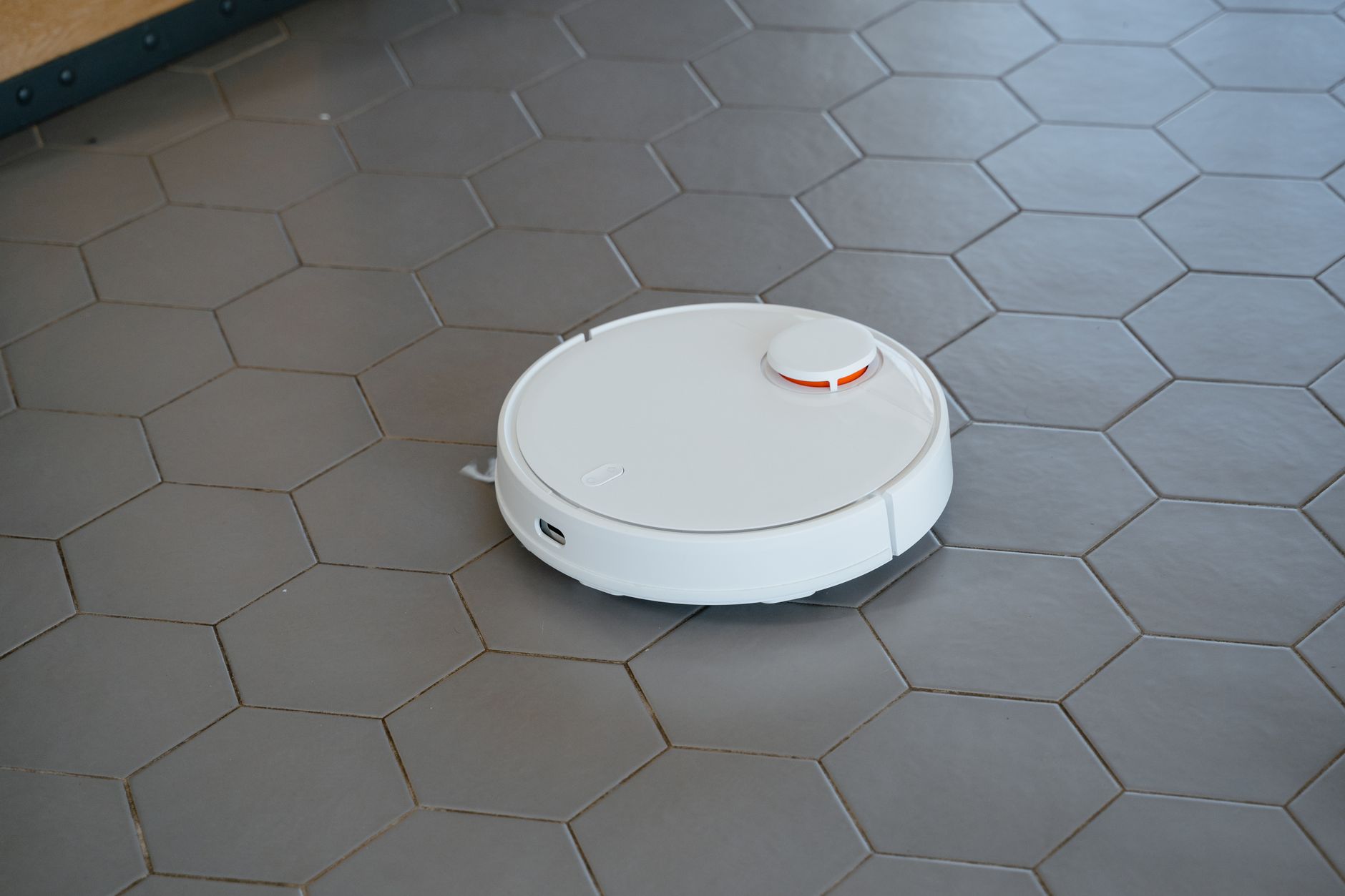
Robot vacuum cleaners are practical investments for households that value consistent daily maintenance over deep-cleaning power, often saving users about 3 to 5 hours of floor care per week. While they cannot fully replace a manual vacuum for heavy debris, they maintain a level of baseline cleanliness that prevents dust accumulation on hard surfaces and low-pile carpets.
⚡ In a Rush? Key Takeaways
- Robot vacuums save an average of 4 hours of manual cleaning per week.
- Maintenance of brushes and filters typically requires 15 minutes of effort monthly.
- Models with self-emptying bases reduce user interaction by up to 90%.
- ✅ Best value: Look for mid-range models without unnecessary high-end features.
How Much Do Robot Vacuum Cleaners Cost to Run?
Robot vacuums cost roughly $5–$15 annually in electricity, though replacement parts like brushes and filters add $40–$100 to the yearly budget.
Does the electricity consumption impact your utility bill?
Electricity usage for a robot vacuum is negligible, rarely exceeding 15 kWh per year even with daily scheduling and recharging.
Most charging docks draw very little power when in standby mode. Because the battery capacity is small compared to larger home appliances, the energy cost to run a unit is rarely a factor in the decision-making process.
What is the hidden cost of replacement parts?
Filter, brush, and side-brush replacements cost $40–$100 per year depending on usage frequency and the specific manufacturer model.
Many users forget that these machines require ongoing maintenance. If you skip cleaning the brushes, the motor works harder and wears out faster, potentially shortening the machine’s lifespan by several years.
- Replace HEPA filters every 3–6 months for air quality.
- Check side brushes for tangled hair once a week.
- Clean sensors monthly to prevent navigation errors.
Which Floor Types Benefit Most From Robot Vacuums?
Hardwood, tile, and thin rugs benefit significantly from daily robot vacuuming, while thick carpet remains a challenge for most units.
Can they handle thick carpets effectively?
Standard robot vacuums struggle with deep-pile carpets, often getting stuck or failing to extract debris buried in dense fibers.
High-end models with “carpet boost” technology fare better, but they are still not a substitute for a full-sized upright machine. You will still need a traditional vacuum cleaner for deep cleaning sessions.
Why are hard floors the ideal use case?
Hard flooring allows robot vacuums to pick up dust and pet hair efficiently without the need for high-torque agitation from a brush.
Daily maintenance on hard floors prevents the common “dust bunny” buildup that occurs in corners. For more on managing your home environment efficiently, you can check our home cleaning systems guide.
Are There Specific Maintenance Systems I Need?
Effective maintenance requires a systematic approach to clearing floor space and regularly cleaning the robot’s internal debris bin.
How do self-emptying docks change the experience?
Self-emptying docks automate the disposal process, allowing the robot to function for weeks without needing a manual bin evacuation.
This is the single most effective way to make the robot feel like a “set it and forget it” appliance. It avoids the mess of shaking out a small internal dust cup every other day.
Should I invest in mapping technology?
Advanced LIDAR mapping prevents the unit from bumping into furniture and ensures every part of the floor is covered systematically.
Cheap “bump-and-turn” models often miss entire sections of a room and take significantly longer to complete a cycle. Intelligent mapping is a non-negotiable feature for efficiency, which we also discuss in our appliance ROI analysis.
How noisy are robot vacuums?
Most robot vacuums operate between 55 dB and 70 dB, similar to a conversation or a dishwasher, with premium “quiet” models dipping below 50 dB.
Noise level depends mainly on suction power, brush design, and the surface being cleaned; hard floors tend to amplify sound, while carpets can muffle it. Users who schedule cleanings while away or during night hours often find the sound unobtrusive, and many units offer a dedicated “quiet” or “eco” mode that reduces fan speed for lower decibel output.
- Entry‑level models: 60–70 dB (similar to a washing machine).
- Mid‑range with optimized airflow: 55–60 dB (normal conversation).
- Premium quiet‑mode models: 50–55 dB (refrigerator hum).
Frequently Asked Questions
These questions cover the common concerns regarding robot vacuum efficiency, maintenance, and long-term utility for the average home.
Do robot vacuums work in homes with pets?
Robot vacuums are excellent for daily pet hair management but require frequent hair removal from the brushes to avoid clogging.
How long do these batteries typically last?
Lithium-ion batteries in most models last between 2 and 4 years before showing significant capacity loss and requiring replacement.
Can they navigate around wires and toys?
Most entry-level units cannot detect wires, but premium models with optical sensors are increasingly capable of avoiding small obstacles.
Conclusion
Robot vacuums excel at maintenance, not heavy-duty cleaning. If you view them as a tool to extend the time between manual cleaning sessions, they are well worth the investment.