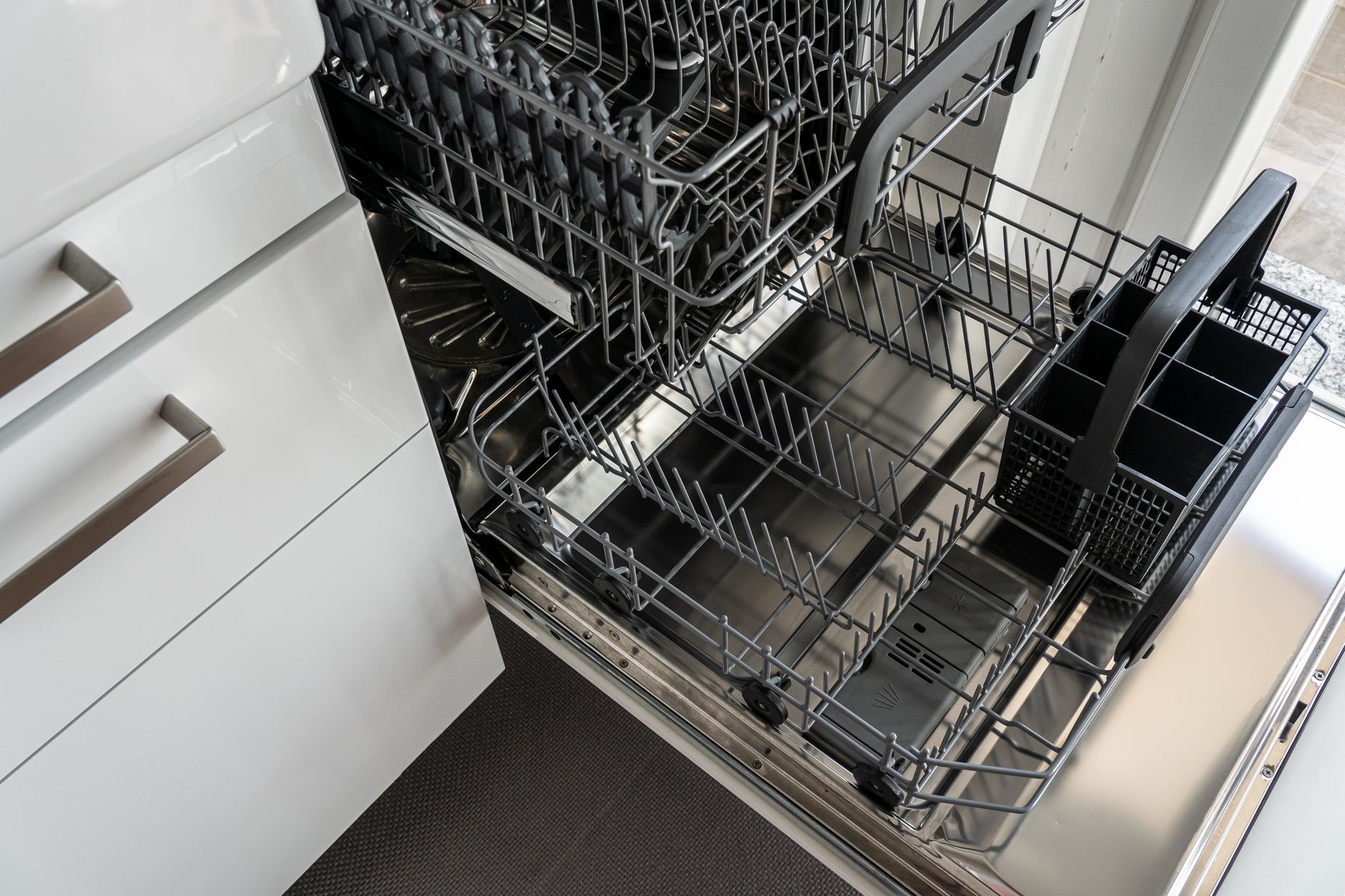
A modern, full-load dishwasher is objectively more energy and water-efficient than hand-washing the same volume of dishes, typically using 3 to 5 gallons per cycle compared to the 20 gallons often consumed by tap-rinsing. While the upfront investment is significant, the running cost analysis reveals that efficiency is almost entirely dependent on how you load and operate the machine.
⚡ In a Rush? Key Takeaways
- Standard cycles consume 1 to 2 kWh, costing roughly $0.15 to $0.30 per load.
- Hand-washing uses 4x more water than a high-efficiency Energy Star dishwasher.
- Skipping the heated dry cycle saves approximately 0.5 kWh per wash session.
- ✅ Best value: Run full loads on eco-mode to minimize both energy and water use.
Why are dishwashers more efficient than hand-washing?
Dishwashers recirculate a small volume of water through a heating element, whereas hand-washing requires a continuous flow of heated water.
How much water does a dishwasher really use?
Most modern Energy Star certified units use between 3 and 5 gallons per cycle, regardless of how heavily soiled the dishes are inside.
The primary efficiency gain comes from the closed-loop system. While a tap flows at 2 gallons per minute, the dishwasher manages the entire process with a fraction of that total volume. Over a year of daily usage, this results in thousands of gallons saved compared to manual cleaning.
- Energy Star models: 3–4 gallons per load
- Standard older models: 6–9 gallons per load
- Hand-washing equivalent: 15–27 gallons
How does the heating element impact electricity bills?
The water heating and drying stages account for nearly 90% of a machine’s total energy consumption per standard wash cycle.
If you have a dishwasher with a high-wattage drying cycle, you are essentially paying for comfort. Most units allow you to disable this feature. By letting your kitchen workflow adapt to air-drying, you eliminate the single most expensive stage of the machine’s operation.
How should you maintain your dishwasher for longevity?
Consistent use of rinse aid and salt in hard water areas prevents scale buildup that destroys heating elements and spray arms.
What is the role of dishwasher salt and rinse aid?
Salt softens the internal water supply to prevent calcium deposits, while rinse aid reduces surface tension to ensure faster drying.
Ignoring these maintenance essentials often leads to cloudy glassware and reduced mechanical performance. I have found that appliance intelligence is largely about preventative care. Replacing a corroded heating element is rarely worth the cost compared to the annual expense of maintenance supplies.
| Maintenance Item | Annual Cost | Benefit |
|---|---|---|
| Dishwasher Salt | $10–$15 | Prevents scale |
| Rinse Aid | $15–$20 | Improves drying |
| Filter Cleaning | $0 | Prevents odors |
How often should you clean the dishwasher filter?
Manual cleaning of the drain filter is required at least once per month to ensure proper drainage and prevent pump strain issues.
Many owners forget this component, leading to debris accumulation that forces the pump to work harder. Keeping this home organisation habit consistent keeps the machine running at peak energy efficiency.
Frequently Asked Questions
These common questions address the most frequent efficiency concerns regarding daily dishwasher operation and long-term costs.
Is a half-load setting actually cheaper?
Half-load cycles typically use 30% less water but rarely halve the energy usage, making full loads the most cost-effective option.
Can you wash pots and pans in the dishwasher?
Yes, most modern units handle pots effectively, though high-heat cycles are required to break down stubborn grease and proteins.
Does pre-rinsing dishes save money?
Pre-rinsing is unnecessary and costly, as it wastes up to 20 gallons of hot water before the cycle even begins in the machine.
What is the average lifespan of a dishwasher?
With regular filter cleaning and proper salt usage, most high-quality dishwashers last between 10 and 13 years of daily use.
Buying and Installing a Dishwasher: What to Consider
When purchasing a dishwasher, consider the size, noise level, and features that best fit your household’s needs and budget.
Look for a dishwasher with a high Energy Star rating, adjustable racks, and advanced cycles like sanitize or steam cleaning. Additionally, consider the installation costs, which can range from $200 to $1,000, depending on the complexity of the installation and the location of the dishwasher.
| Feature | Benefits | Cost |
|---|---|---|
| Energy Star Certification | Energy and water efficiency | $0 – $100 |
| Adjustable Racks | Flexible loading options | $50 – $150 |
| Sanitize Cycle | Improved hygiene and cleaning | $100 – $200 |
Bottom line: Is a dishwasher worth it?
A dishwasher is an essential efficiency tool that pays for itself through water savings and time recovery over a ten-year period.
If you are currently hand-washing for a family, the energy and time cost is significantly higher than the electricity cost of a modern unit. By choosing an efficient model, using the eco-mode, and avoiding the heated dry cycle, you minimize your environmental footprint while maximizing your home efficiency. Always prioritize machines that offer flexible loading options to ensure you are never running a cycle for only a few items.