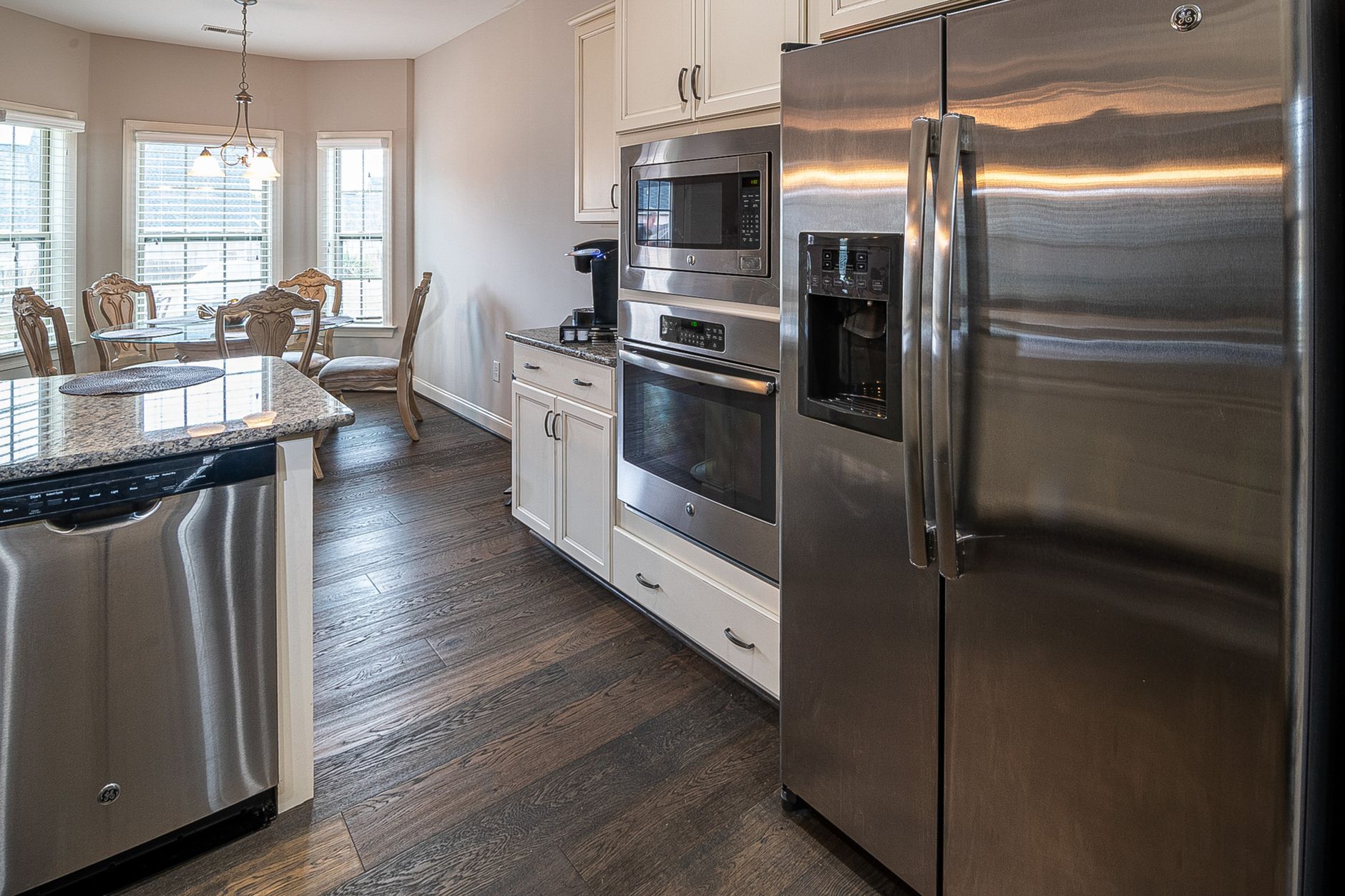
Home appliances represent the largest recurring energy expense in your household, with the total cost of ownership often exceeding the initial purchase price over a decade. While many buyers focus exclusively on the sticker price at the checkout, the real financial impact is felt through electricity consumption, water usage, and the frequency of necessary repairs. Choosing the right equipment requires a shift from viewing appliances as one-off purchases to seeing them as long-term infrastructure investments for your home.
⚡ In a Rush? Key Takeaways
- An average inefficient refrigerator can cost $50 more annually in electricity than modern A-rated units.
- Cold water cycles in washing machines reduce energy consumption by up to 60% per wash.
- Heat pump tumble dryers typically pay back their higher purchase price within four years of use.
- Regular maintenance, like cleaning dishwasher filters, can extend appliance lifespan by 3-5 years.
- ✅ Prioritize machines with high reliability ratings over those with the lowest initial retail price.
How Do You Calculate the Real Cost of Home Appliances?
Real appliance cost includes purchase price plus ten years of energy use, water consumption, and anticipated maintenance or repair costs.
What is the total cost of ownership?
Total ownership cost sums the retail price with a decade of energy and repair expenses to reveal the most economical long-term option.
When you evaluate an appliance, you must look at the lifespan projection rather than just the price tag. A budget washing machine might save you $200 today but cost you $400 more in electricity and early replacement parts within seven years. Consider these factors when budgeting:
- Initial purchase and delivery fees
- Estimated annual electricity or gas consumption
- Water usage costs for laundry and dishwashers
- Expected repair and component replacement frequency
How do energy labels help you save?
Energy labels allow you to compare efficiency ratings directly, ensuring you select units that minimize utility bill inflation over time.
Energy efficiency standards have been rescaled recently to provide a more accurate representation of performance. An appliance that looks efficient by older standards may actually fall into a lower bracket today. Always check the annual kWh usage figure rather than just the letter grade to get a clearer picture of your energy efficiency impact.
| Appliance | Typical Lifespan | Efficiency Focus |
|---|---|---|
| Refrigerator | 15-20 Years | Annual kWh Usage |
| Dishwasher | 10-12 Years | Water/Cycle |
| Washing Machine | 10-14 Years | Spin Speed/Temp |
Which Maintenance Steps Improve Appliance Efficiency?
Regular maintenance like clearing filters, descaling elements, and checking seals reduces energy waste and prevents costly mechanical failure.
Why should you clean your dishwasher filter?
A dirty dishwasher filter forces the pump to work harder, increasing energy consumption and potentially damaging the internal motor.
Food debris accumulation in your dishwasher filter is a common cause of poor cleaning performance and higher energy use. A machine that cannot circulate water effectively will require longer cycle times to achieve the same result. You can improve your machine’s kitchen workflow by setting a monthly reminder to rinse the filter.
How does descaling impact water heaters?
Descaling heating elements prevents mineral buildup, allowing the appliance to heat water faster and use significantly less energy daily.
In hard water areas, scale acts as an insulator on heating elements. This forces the appliance to consume more energy to reach the desired temperature. Routine descaling ensures your hot water water efficiency remains high throughout the year.
Is It Ever Cheaper to Repair Than Replace?
Repairing is usually cheaper if the fix costs less than 50% of a new model’s price and the unit is under ten years old in total age.
When is a repair no longer worth the cost?
Replace your appliance if the repair cost exceeds half the price of a new unit or if parts are no longer available for your model.
Sometimes, the internal components fail in a way that suggests the entire system is reaching the end of its lifecycle. If your machine requires a new motherboard or main motor, the cost of labour and parts often makes a modern, more efficient replacement the smarter financial choice. Frequent repairs often indicate underlying issues that will continue to plague the appliance.
Can you perform basic appliance repairs yourself?
Homeowners can easily handle simple repairs like replacing door seals, cleaning hoses, or swapping out damaged power cables safely.
Many minor appliance issues are user-serviceable if you follow safety protocols and disconnect the power supply. Consult your user manual before attempting any work to avoid voiding your warranty. If you are unsure, calling a professional is always safer than risking an electrical fault.
Frequently Asked Questions
Should you replace old appliances before they break?
Replace appliances over 15 years old if you want to lower energy bills, as modern units use up to 50% less power than older counterparts.
Does the brand name impact appliance efficiency?
Brand name influences reliability and repairability, though efficiency is determined by specific model design and energy star certification.
How do you check your actual appliance energy usage?
Use a smart plug energy monitor to track the real-time electricity draw of your specific appliances over a standard full-use week.
Understanding how your home uses energy is the first step toward reducing your monthly bills. By auditing your major appliances, you can identify which units are costing you the most and plan for more efficient replacements when the time is right.
— Greta Michaud, Home Appliance Efficiency Researcher