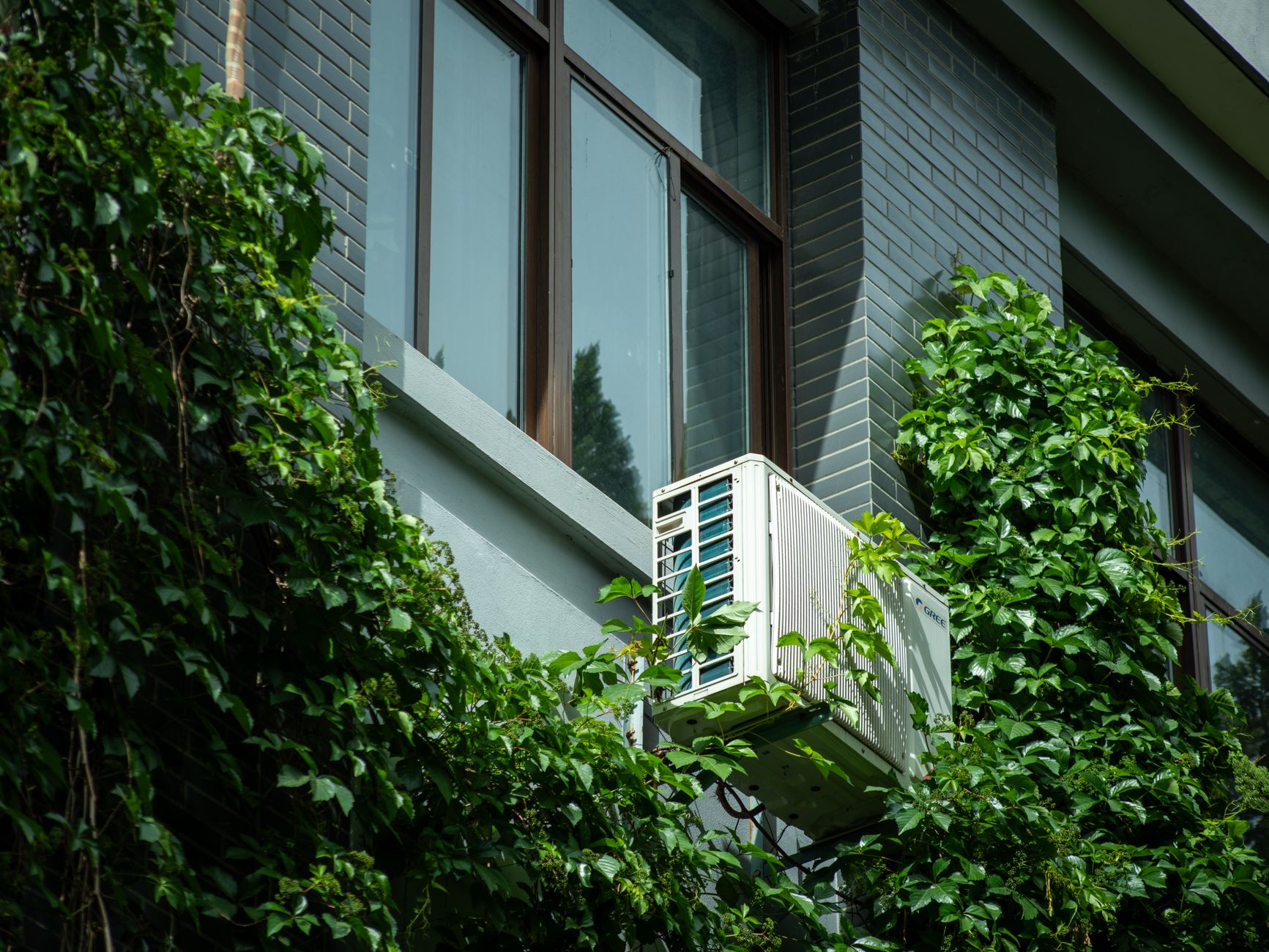
Energy efficiency appliances are worth the investment when the cumulative reduction in electricity or gas bills over a ten-year lifespan exceeds the higher initial purchase price. For most households, selecting an appliance rated at the top of the current efficiency scale saves between $30 and $80 annually per unit, making the long-term total cost of ownership lower than cheaper, less efficient models.
⚡ In a Rush? Key Takeaways
- Modern high-efficiency refrigerators use 200 kWh less per year than 2015-era models.
- Cold-water washing cycles can reduce energy consumption by up to 60% per load.
- Upgrading a 10-year-old dryer saves an average of $50 in annual electricity costs.
- ✅ Total cost of ownership is the only metric that determines if an upgrade is worth it.
Why Do Energy Ratings Change So Frequently?
Energy ratings are periodically rescaled to account for technological progress, ensuring that A-rated appliances remain the most efficient.
When you shop for a new washing machine or dishwasher, you might notice that labels have shifted. Manufacturers constantly improve their technology, meaning yesterday’s “top-tier” efficiency becomes today’s standard performance.
How Do I Read Current Energy Labels?
Current energy labels use an A to G scale where A represents the most efficient units, replacing older A+++ or A++ designations.
The current system is designed to be more rigorous. An appliance that carries a C or D rating today is often more efficient than one that held an A++ rating under the previous, less demanding testing standards.
- Look for the annual kWh consumption figure printed clearly on the label.
- Check the water usage per cycle for dishwashers and washing machines.
- Compare the noise emission levels if your appliance lives in an open-plan kitchen.
- Ignore old terminology like A+++, as it creates a false comparison to newer tech.
Does a Higher Price Tag Always Mean Lower Energy Use?
Higher appliance prices often reflect extra aesthetic features or smart connectivity rather than actual energy efficiency gains.
It is a common mistake to assume that the most expensive model in the showroom is the most efficient. Often, a mid-range model with fewer digital displays and connectivity features will offer identical energy performance at a lower price point.
| Feature | Impact on Price | Impact on Energy |
| Digital Display | High | Minimal |
| High-Efficiency Motor | Medium | High |
| Smart WiFi | High | Minimal |
| Insulation Thickness | Low | High |
Are Efficiency Gains Significant in Daily Use?
Efficiency gains for major appliances are measurable, with the largest savings found in refrigerators and heating-intensive units.
In eight years of testing appliances, I have found that how you use a machine often matters as much as the rating itself. For instance, selecting the right appliance size prevents you from running half-empty cycles that waste energy.
How Much Can a New Refrigerator Save Me?
A modern energy-efficient refrigerator uses roughly 150 to 200 kWh per year, saving you $40 annually compared to decade-old models.
Since refrigerators run 24 hours a day, they represent a significant portion of your constant home energy baseline. Replacing a model from before 2015 can offer the quickest return on investment among all kitchen appliances.
Do High-Efficiency Dishwashers Really Use Less Water?
Modern dishwashers use roughly 3 to 5 gallons per cycle, which is significantly less than the 20 gallons used by hand-washing.
Beyond water, the drying phase is where efficiency is won or lost. Using the eco-setting, which typically runs at a lower temperature and relies on ambient air to dry dishes, can cut your per-cycle cost by 30%.
What Are the Hidden Costs of Appliance Ownership?
The true cost of owning an appliance includes the purchase price, the annual electricity usage, and the expected cost of repairs.
When I evaluate appliances, I calculate a ten-year total cost of ownership. This accounts for the fact that a machine might be cheap to buy but expensive to keep running over its entire life.
Why Does Maintenance Impact Efficiency?
Neglected maintenance forces appliances to work harder, increasing energy consumption by up to 20% over the life of the machine.
Cleaning filters, removing scale from heating elements, and checking door seals are essential steps. A dishwasher with a clogged filter uses more energy because the motor struggles to circulate water, and the heater works longer to compensate.
- Clean lint traps in dryers after every single use to optimize airflow.
- Run descaling programmes on washing machines every three months.
- Vacuum the coils behind your refrigerator to prevent overheating and energy waste.
- Inspect rubber seals on doors to ensure no heat or cold air is escaping.
Should I Consider Repair Before Replacement?
Repairing an appliance is often cheaper than replacing it unless the repair cost exceeds 50% of the value of a new unit.
Before deciding to discard an inefficient machine, check if a basic DIY repair could extend its life. Sometimes, replacing a thermostat or a heating element is all that is needed to restore performance.
Frequently Asked Questions
Can smart power strips save energy?
Smart power strips reduce standby power for grouped devices like TVs and consoles, saving households $20 to $50 annually.
Are gas appliances more efficient than electric?
Gas appliances are often more efficient for direct heat, such as in cooking or water heating, depending on your local energy rates.
How long should a modern appliance last?
Most well-maintained energy-efficient appliances should last between 10 and 15 years with moderate daily use.
Does the cold wash setting actually clean?
Modern detergents are formulated to clean effectively in cold water, saving energy by eliminating the need to heat the water.
Final Thoughts on Energy Efficiency
Choosing energy efficiency is a long-term financial strategy that requires looking at annual running costs rather than just the price.
If you focus on total ownership cost, you will make better decisions. Efficiency is rarely about a single miracle device, but about consistent, small reductions in your daily energy draw.