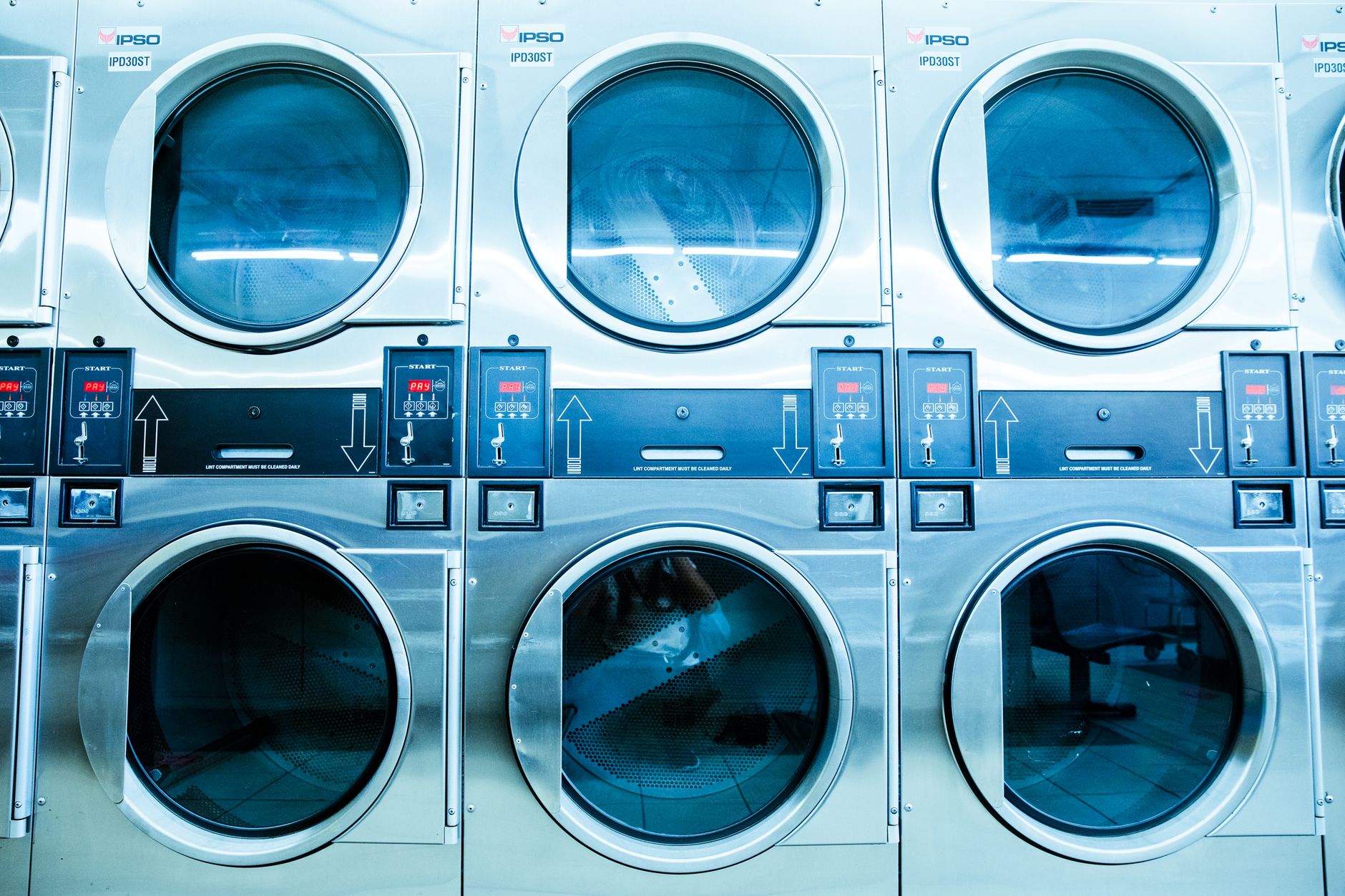
A high-efficiency washing machine typically costs between $150 and $250 in electricity and water usage over a ten-year lifespan depending on your local utility rates. Choosing the right machine involves evaluating its energy label, spin cycle capabilities, and real-world drum capacity rather than just the retail price.
⚡ In a Rush? Key Takeaways
- Modern A-rated machines use up to 40% less energy than models sold five years ago.
- Selecting a machine with a 1,600 RPM spin speed reduces dryer energy use by 15%.
- Running 20°C cycles can slash washing energy consumption by as much as 60% per load.
- ✅ Prioritize machines with high-efficiency labels and avoid prioritizing larger drum sizes.
How Much Does a Modern Washing Machine Actually Cost to Run?
Running an average washing machine costs $30 to $60 annually depending on usage frequency, cycle temperature, and your local electricity rate.
Why do energy labels matter for your monthly budget?
Energy labels provide a standardized metric to compare lifetime electricity and water consumption across different appliance makes and models.
When I evaluate washing machines, I look past the brand name to the energy label. In 2026, the updated efficiency standards mean an ‘A’ rating signifies truly exceptional performance. These machines are engineered to use less water per cycle and optimise heating elements to save power.
Understanding your home energy efficiency profile helps when selecting an appliance. A machine that appears cheaper at the store might actually cost you hundreds more in energy bills over its decade-long lifespan.
How does spin speed affect your overall laundry costs?
Higher spin speeds extract more moisture from fabrics during the wash, which significantly reduces the energy required for tumble drying.
Many buyers ignore spin speed, focusing only on the wash cycle. However, a 1,600 RPM spin speed leaves clothes significantly drier than a 1,200 RPM cycle. This means your dryer runs for less time, which is where the real energy savings accumulate.
- 1,200 RPM: Standard spin, higher residual moisture levels.
- 1,400 RPM: Good balance for most cotton and synthetic loads.
- 1,600 RPM: Optimal for reducing tumble dryer electricity demand.
Which Features Actually Improve Washing Machine Performance?
Essential features include half-load detection, automated detergent dosing, and specialized programmes for low-temperature cleaning efficiency.
Is a larger drum size always the better choice?
Larger drums often waste energy and water unless you consistently wash full loads, making them inefficient for average-sized households.
There is a persistent myth that a 10kg drum is inherently better than an 8kg drum. In practice, most households rarely fill a 10kg drum, and a half-empty large drum is an inefficient use of resources. I always recommend buying for your actual weekly load volume rather than the maximum capacity.
Consider your kitchen workflow when choosing a machine’s size. If you have limited space, a compact model that performs well at full capacity is superior to an oversized unit that never reaches its potential.
How do modern sensors change the way machines use water?
Modern load-sensing technology automatically adjusts the water volume based on the weight and absorbency of the items in the drum.
These sensors prevent you from using more water than is necessary for a specific load. I have found that machines with high-quality load sensing can reduce water waste by nearly 30% compared to older manual-dial models. This feature pays for itself, especially in regions with high water costs.
- Load Weight: Automatically calibrates the water intake level.
- Fabric Type: Adjusts cycle duration to prevent over-washing.
- Detergent Sensors: Optimizes usage to prevent extra rinsing cycles.
What Maintenance Steps Extend Your Washing Machine Life?
Regularly cleaning the door seal, clearing the filter, and descaling the drum prevent costly repairs and maintain peak energy efficiency.
Why is filter maintenance critical for efficiency?
A blocked debris filter forces the drain pump to work harder, increasing energy consumption and potentially leading to machine failure.
I check my filter every three months as part of my home organisation routine. If debris builds up, the machine struggles to drain, which impacts the entire cycle’s performance. It is a five-minute job that saves significant repair costs down the line.
| Maintenance Task | Frequency | Efficiency Impact |
| Clean Filter | 3 Months | High |
| Descale Drum | 6 Months | Medium |
| Wipe Door Seal | Monthly | Low |
When should you call a professional for repairs?
Call a professional when you encounter electrical burning smells, persistent leaks, or drums that fail to rotate during any cycle.
While some maintenance is DIY-friendly, electrical issues require a trained hand. Attempting to fix internal wiring or heating elements without proper experience can be dangerous. Always prioritize safety and consult the manufacturer warranty before starting any repair work.
Frequently Asked Questions
Do cold water cycles actually clean clothes as well as hot?
Modern cold-water detergents effectively remove most everyday stains, and 20°C cycles clean just as well as warmer ones for most fabrics.
How often should I replace my washing machine?
Most quality washing machines last between 10 and 14 years with regular maintenance, though efficiency models often justify earlier replacement.
Is a heat pump dryer better to pair with my washer?
Heat pump dryers are significantly more energy-efficient than vented dryers and are the best choice for lowering your annual laundry costs.
Should I use liquid or powder detergent for efficiency?
Liquid detergents are generally better for low-temperature washing, whereas powders can sometimes leave residue if they do not dissolve fully.