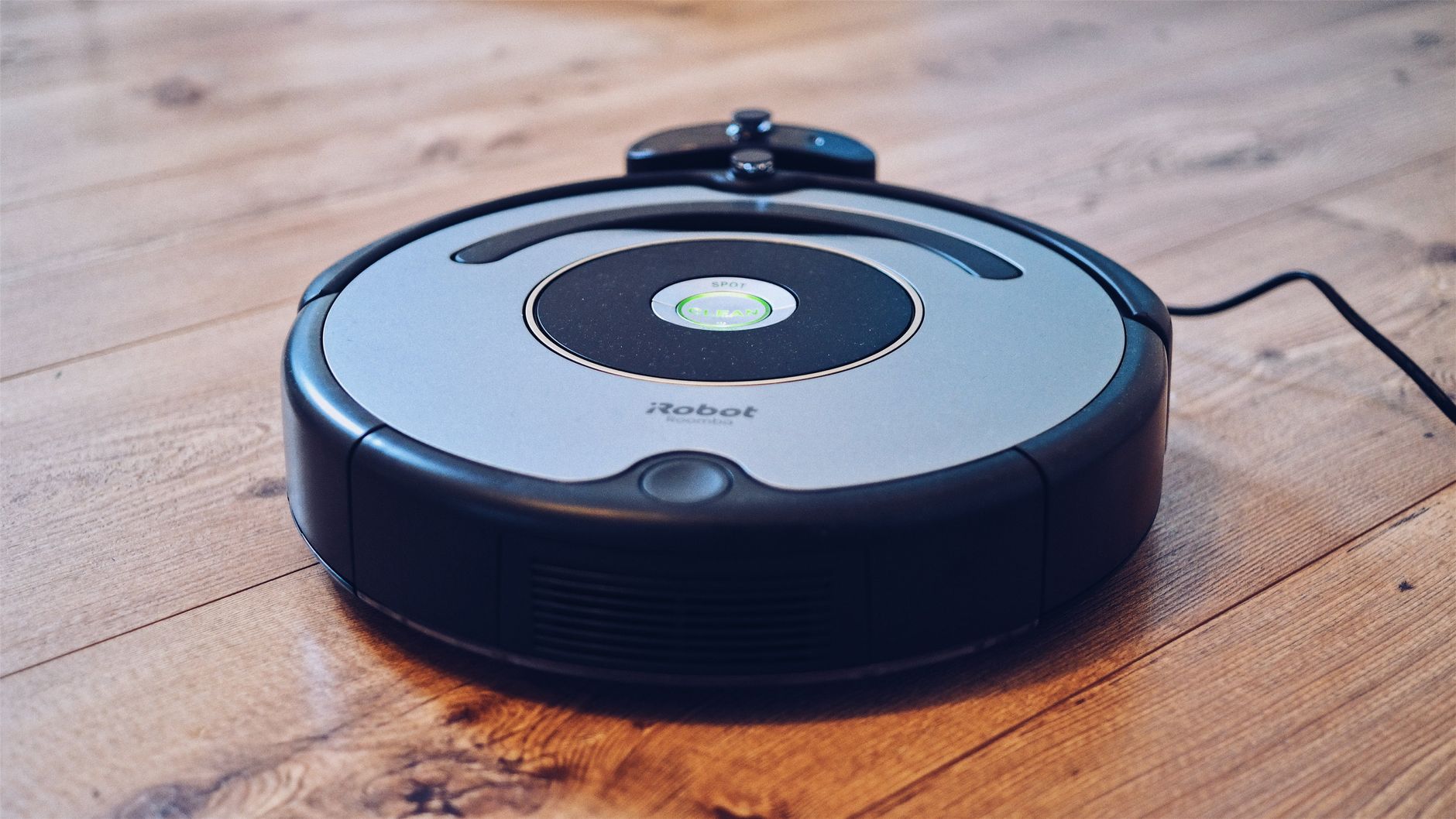
Robot vacuum cleaners are efficient maintenance tools that reduce daily floor dust accumulation by 70-80%, though they do not replace the need for deep cleaning with a manual machine. They function best as a supplementary system for active households with consistent, low-pile flooring.
⚡ In a Rush? Key Takeaways
- Robot vacuums typically use between 30 and 50 watts while cleaning.
- Units with self-emptying docks save roughly 3 hours of maintenance per month.
- Most mid-range models successfully navigate 90% of household obstacles.
- Reliable battery life in 2026 models averages 120 minutes on a single charge.
- ✅ Best choice: Opt for models with HEPA filters and LiDAR mapping technology.
Why Do Most Homeowners Consider Robot Vacuum Cleaners?
Homeowners choose robot vacuums to save time on daily upkeep, specifically targeting surface dust, pet hair, and crumbs in high-traffic areas.
How Much Time Can You Actually Save Weekly?
Automated cleaners save the average household 2 to 4 hours per week by handling light daily floor maintenance and surface-level debris.
The primary appeal is delegation. A robot handles the small, tedious task of surface cleaning so you can focus on deeper tasks like organising your storage or deep cleaning carpets.
By running a schedule, you eliminate the visible dust that gathers in entryways and kitchen corners. This consistent maintenance prevents debris from working its way deep into textile fibres.
Are Robot Vacuums Effective for Pet Owners?
Modern robot vacuums handle pet hair efficiently if equipped with anti-tangle brushes and high-suction motors designed for stubborn fur.
Pet owners often find that daily cycles are the only way to manage shedding. I have found that models with rubberized brush rolls significantly outperform those with standard bristle brushes.
- Rubber rollers prevent hair tangles that cause motor strain.
- High-efficiency filters trap dander better than basic mesh screens.
- Consistent daily schedules keep furniture bases clear of hair tumbleweeds.
What Are the True Long-Term Running Costs?
Annual maintenance costs for a robot vacuum average $50–$100, covering replacement filters, side brushes, and cleaning solution refills.
How Expensive Are Replacement Parts Over Time?
Standard maintenance kits including filters and brushes cost roughly $30 per set, with most needing replacement every 6 months of use.
Beyond the initial purchase, the running cost is modest but persistent. Ignoring these replacements leads to decreased suction power and eventual motor failure, much like neglecting routine appliance maintenance.
You should calculate your long-term spend carefully. A machine that is cheap to buy but expensive to maintain is a false economy for your home efficiency goals.
How Do They Compare to Traditional Vacuums on Electricity?
Robot vacuums consume minimal electricity, using roughly 0.05 kWh per cleaning cycle, which costs less than $0.02 per standard session.
Charging docks use negligible power when the unit is idle. Compared to a 1,200-watt corded vacuum running for 30 minutes, the robot is significantly more energy-efficient per square foot.
| Appliance Type | Avg. Power Draw | Energy Cost per Session |
|---|---|---|
| Robot Vacuum | 40 Watts | ~$0.02 |
| Corded Upright | 1,200 Watts | ~$0.15 |
Are There Real Limitations to Automated Cleaning?
Automated cleaners struggle with heavy rug fringes, loose cables, and multi-story navigation without human assistance or physical barriers.
Why Do They Sometimes Get Stuck?
Lack of object recognition causes robots to snag on cables, clothing items, or low-profile transitions that sensors fail to identify.
Clearing a floor is the primary prerequisite for efficiency. If your house is cluttered, the machine will spend more time calling for help than cleaning.
- Tidy all loose charging cables before a scheduled run.
- Ensure rugs are weighted or taped down at the edges.
- Check that floor transitions are under 2cm for best mobility.
Can They Replace Deep Cleaning Completely?
Robot vacuums cannot reach into deep carpet piles or tight corners as effectively as a full-sized corded manual vacuum cleaner.
They are maintenance devices, not cleaning miracles. You will still need a powerful manual tool for seasonal deep cleaning, stairs, and upholstery maintenance.
What Should You Look For in a 2026 Model?
Effective 2026 models feature LiDAR-based navigation, self-emptying base stations, and dedicated mobile apps for zone management.
Is LiDAR Mapping Essential for Efficiency?
LiDAR mapping reduces redundant passes by 30%, ensuring the vacuum covers your floor plan systematically rather than using random logic.
Models without mapping often bounce around, wasting battery and time. Precision navigation is the biggest leap in efficiency from older generations to current units.
Is a Self-Emptying Dock Worth the Premium?
Self-emptying docks are essential for true automation, as they allow the machine to operate independently for several weeks at a time.
Without an auto-empty base, you are tethered to the robot every time the dustbin fills. For the best efficiency, invest in the dock version initially rather than upgrading later.
Frequently Asked Questions
Do robot vacuums work on dark-coloured carpets?
Some older cliff sensors interpret dark carpets as a drop-off, causing the robot to reverse or stop during cleaning cycles.
How often do I need to clean the brushes?
You should check for tangles on the main brush roll every two weeks to maintain peak suction and prevent motor strain.
Can they clean under sofas?
Most modern robot vacuums measure under 10cm in height, allowing them to glide under standard-height sofa frames effortlessly.
Do they require internet connectivity to function?
Most models function via physical buttons, but you lose advanced scheduling and mapping features without a network connection.