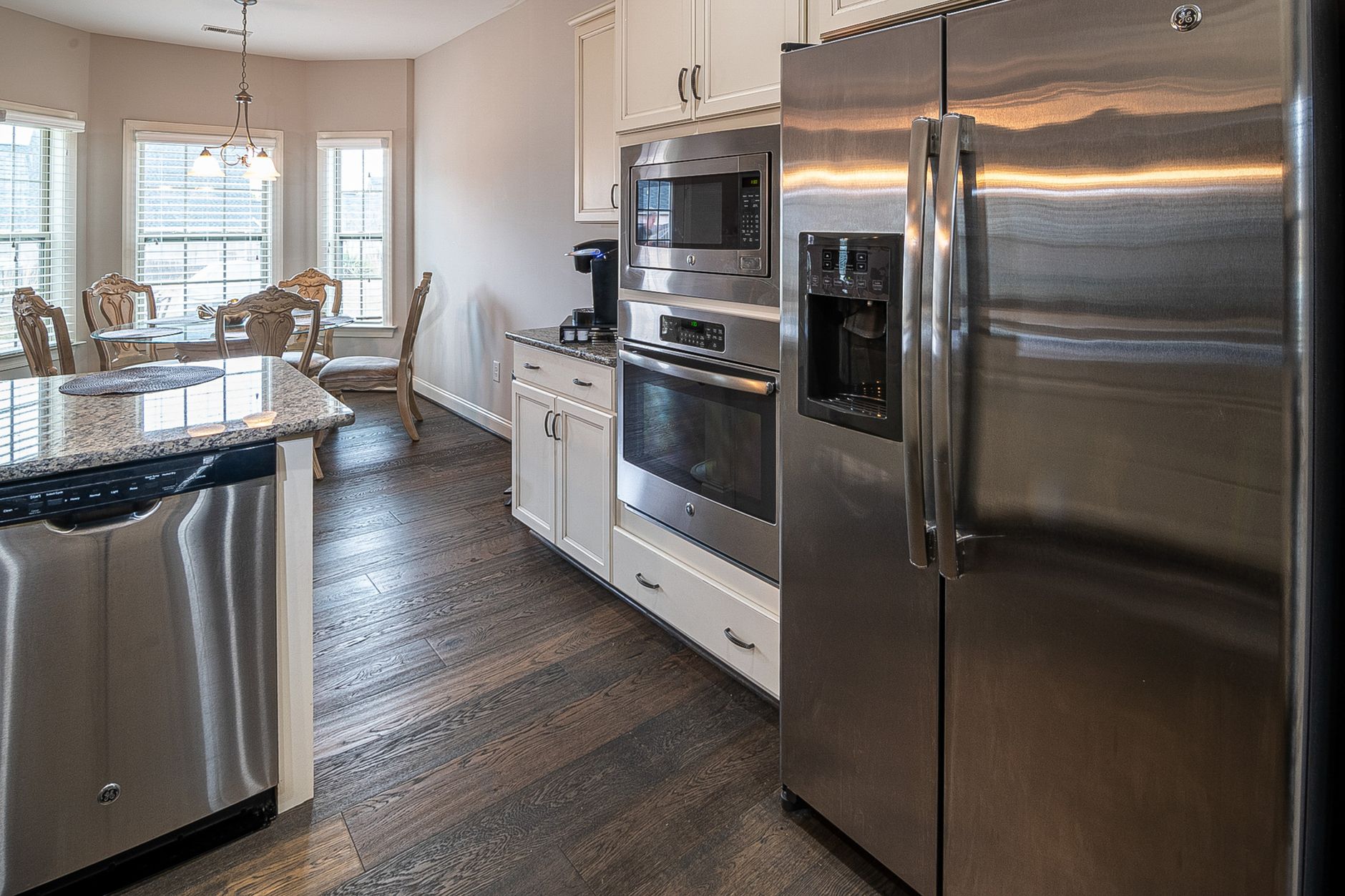
Home appliances are best purchased by evaluating the total cost of ownership over a ten-year lifespan rather than focusing solely on the initial shelf price. This approach accounts for energy consumption, maintenance requirements, and the expected reliability of the brand, ensuring you avoid the common trap of buying a cheap, inefficient unit that eventually costs more than a premium model.
⚡ In a Rush? Key Takeaways
- New high-efficiency appliances can save a typical US household $50–$100 annually in energy costs.
- Over a 10-year lifespan, running costs for major appliances often exceed the initial purchase price.
- Reliability surveys show premium brands like Miele and Bosch can last 3–5 years longer than budget alternatives.
- ✅ Our verdict: Prioritize energy ratings and repairability scores over the latest feature-heavy smart technology.
How Do You Calculate the Real Cost of a New Appliance?
The true cost of an appliance includes the purchase price, ten years of estimated electricity usage, and average annual repair expenses.
Why Does Energy Efficiency Matter for Your Monthly Bills?
Energy efficient units use 30% to 50% less power than models manufactured a decade ago, leading to significant cumulative savings over time.
Many consumers are blinded by the sticker price during a sale, but the electricity draw is a permanent, ongoing bill. I have consistently found that older, inefficient fridges or washers represent the most expensive items in a home’s energy efficiency profile.
- Identify the Energy Star rating on current models.
- Calculate annual kWh usage based on local utility rates.
- Factor in the cost of standby power for smart features.
How Does Appliance Reliability Affect Long-Term Value?
Choosing a brand with lower repair rates prevents the frequent replacement costs that turn affordable units into expensive investments.
Reliability is often ignored in favor of aesthetics, but a machine that breaks every three years is a poor financial choice. I prefer brands that provide accessible parts, as this significantly extends the useful life of the hardware.
| Factor | Budget Appliance | Premium Appliance |
|---|---|---|
| Lifespan | 5-7 years | 12-15 years |
| Repair Parts | Often unavailable | Readily available |
| Running Cost | Higher | Lower |
How Do Incentives and Rebates Affect the Total Cost?
Many utilities and government programs offer rebates or tax credits that can shave hundreds off the purchase price of ENERGY STAR‑rated appliances.
Before buying, check your local utility’s website for appliance rebate programs; common offers include $50–$200 for refrigerators, washers, and dishwashers that meet efficiency thresholds. Federal tax credits for certain heat‑pump water heaters or induction ranges can further reduce net cost, improving the payback period.
- Look for the ENERGY STAR label and verify eligibility for rebates.
- Save receipts and manufacturer certification to claim the incentive.
- Factor the rebate into your ten‑year cost calculation for a true net‑present‑value view.
Which Features Are Actually Worth Paying For?
Essential features like steam cycles and precise temperature control improve performance while unnecessary smart gimmicks inflate price.
Are Smart Features Worth the Added Complexity?
Smart features often add 20% to the retail price while providing minimal efficiency gains and increasing the potential for software failure.
I have tested numerous appliance intelligence features, and most provide little real-world benefit. A connected oven that notifies your phone is rarely as useful as an oven that maintains a consistent heat distribution.
- Avoid appliances that rely on proprietary mobile apps for basic functions.
- Focus on physical build quality rather than screen-based interfaces.
- Consider if the electronics add unnecessary standby energy consumption.
What Kitchen Workflow Systems Should You Prioritize?
Focusing on logical kitchen systems when planning your appliance layout minimizes wasted movement and cooking time.
The best kitchens are designed around the workflow, not the individual appliances. Ensure your range, sink, and refrigerator placement follows a functional triangle to keep energy and effort low.
- Position appliances to keep the ‘work triangle’ under 26 feet.
- Ensure adequate space for air circulation around compressors.
- Prioritize layout ergonomics over aesthetic trends.
What Are the Most Common Appliance Buying Mistakes?
The biggest error is failing to measure space correctly or ignoring the long-term utility costs of high-drain household appliances.
How Can You Avoid Poor Installation and Maintenance?
Proper installation by a qualified professional prevents efficiency loss and premature mechanical failure in major home appliances.
Even the most efficient machine will fail if it is improperly leveled or ventilated. Always ensure your installer checks the manufacturer’s clearance requirements, especially for refrigerators and dryers.
Are Used Appliances a Good Investment?
Used appliances offer value only if the unit is less than five years old and the total cost remains below 40% of a new retail model.
Frequently Asked Questions
Is it better to repair or replace an old appliance?
Repair if the cost is below 50% of a new unit and the machine is less than 10 years old; replace if it is inefficient or failing.
What is the most energy-hungry appliance in the home?
Refrigerators and dryers are typically the largest energy consumers due to their continuous operation or high heat output per cycle.
Does appliance color affect the price or performance?
Color is purely aesthetic and does not impact energy efficiency, though premium finishes like stainless steel often carry a markup.
— Greta Michaud, Home Appliance Efficiency Researcher