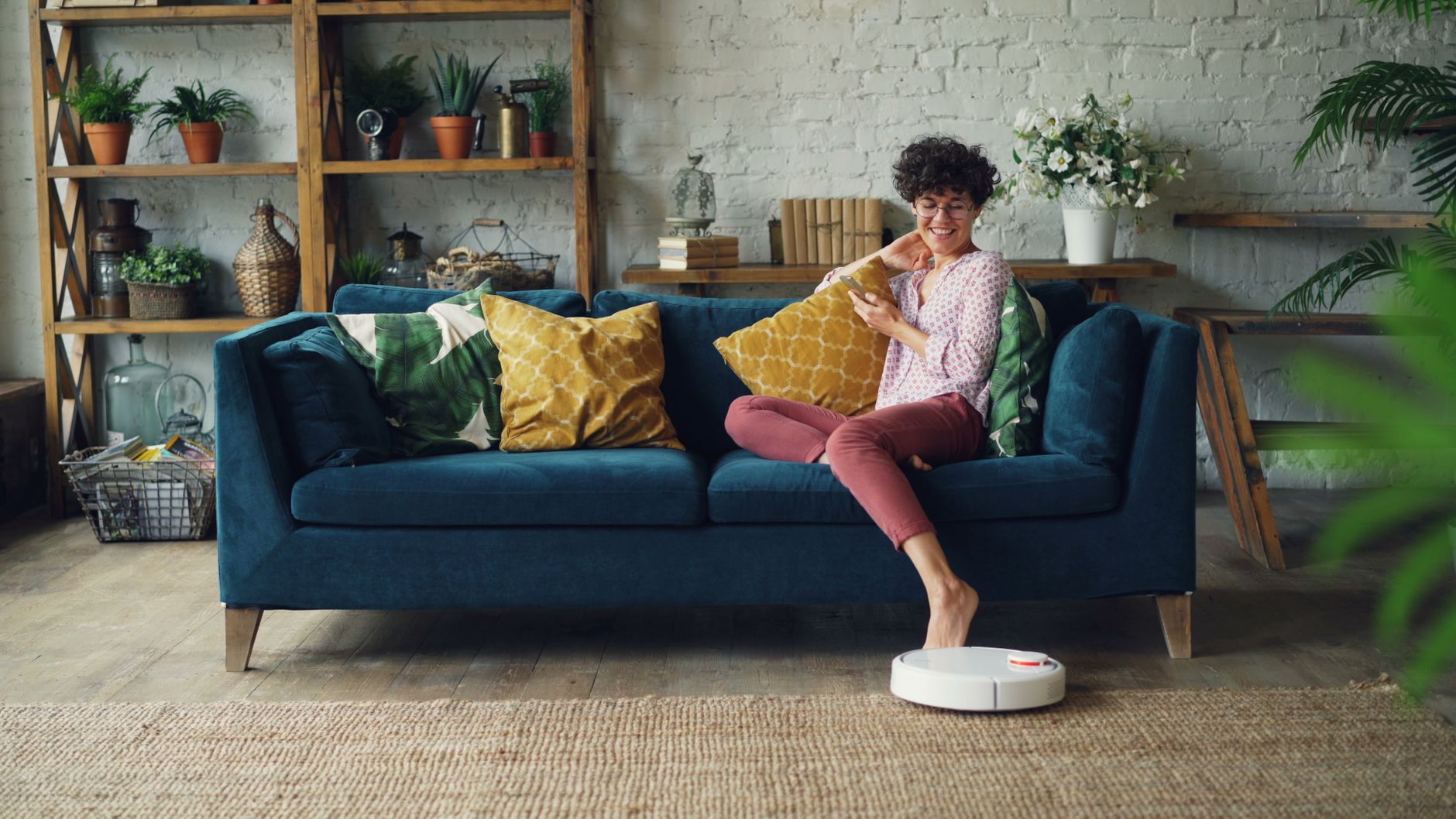
Cordless vacuums are a practical alternative to corded machines if you prioritize convenience and have a home layout that requires frequent movement, though they do not yet match the deep-cleaning runtime of high-powered corded units. While the freedom from tangling is significant, you must balance this against the limitations of lithium-ion battery degradation and finite suction power on deep-pile carpets.
⚡ In a Rush? Key Takeaways
- Modern cordless vacuums offer 40–60 minutes of runtime on standard power settings.
- High-performance models lose 10–15% of battery capacity after 300 charge cycles.
- Cordless units cost roughly $200–$600, while offering 30% less deep-pile suction.
- ✅ Best for daily maintenance: Choose a model with a swappable battery system.
How Do Cordless Vacuums Perform Compared to Corded Models?
Cordless vacuums provide better maneuverability but typically supply 30–50% less raw suction power and runtime than standard corded machines.
Is the suction power sufficient for deep carpets?
Cordless units struggle with deep-pile carpets, often requiring a boost mode that slashes battery life by nearly two-thirds in use.
In my experience, cordless machines excel at surface dirt on hard floors but often lack the sustained airflow needed for heavy-duty carpet cleaning. When you engage the high-suction mode, you are essentially trading speed for energy, which is why your runtime drops so dramatically.
- Standard mode: best for hard floors and daily dust.
- Boost mode: provides deep cleaning for short durations.
- Motorized brushes: critical for carpet agitation on low power.
What is the realistic runtime for a modern battery?
Most premium cordless vacuums deliver between 40 and 60 minutes of use, though intensive cleaning modes can drain them in 15 minutes.
It is important to remember that manufacturers list runtime based on the lowest setting without motorized attachments. If you use a motorized carpet head at maximum power, you will rarely get more than 15 minutes of continuous use from a standard pack. Understanding your appliance performance is key to avoiding frustration during long cleaning sessions.
Are cordless vacuums truly lighter and easier to use?
Cordless vacuums weigh 5–9 lbs on average, making them far easier to carry between floors than traditional 15-lb canister vacuums.
The weight distribution is often centered in the hand, which can cause wrist fatigue during longer jobs. However, the lack of a tether allows you to clean stairs and high corners without moving a heavy base unit, which remains a massive usability gain for most homeowners.
What Should You Know About Long-Term Battery Maintenance?
Lithium-ion batteries in cordless vacuums typically last three to five years before they require replacement for peak performance.
How do you calculate the cost of battery replacement?
Replacement battery packs range from $80 to $150, which should be factored into your total cost of ownership over a ten-year cycle.
When I look at home running costs, I always consider the repairability of the unit. A vacuum with a swappable battery is far more sustainable than one where the battery is integrated into the chassis, as you can replace the pack yourself without a service call.
| Battery Type | Lifespan | Replacement Cost |
|---|---|---|
| Swappable | 4–6 years | $90–$120 |
| Integrated | 3–5 years | $150+ (Service) |
Can you extend your vacuum battery lifespan?
You can maximize battery health by avoiding total discharge and keeping the unit stored in a room-temperature environment at all times.
Heat is the primary enemy of lithium-ion technology. Storing your vacuum in a hot garage or shed during the summer will permanently reduce its capacity, leading to shorter cleaning times within just a few months.
Is it worth buying a vacuum with a secondary battery?
Buying a model with a secondary battery essentially doubles your effective cleaning time and ensures the machine survives for years.
If you have a home larger than 1,500 square feet, a single battery is rarely enough for a thorough weekend clean. I recommend using the second battery as a reserve, which keeps your kitchen workflow moving without waiting hours for a recharge.
Frequently Asked Questions About Cordless Vacuums
Most common questions involve cleaning duration, battery degradation, and whether these tools can replace a main vacuum cleaner.
Do cordless vacuums lose suction over time?
They lose suction primarily due to clogged filters rather than motor wear, so regular filter maintenance is essential for longevity.
Are cordless vacuums better for pet hair?
They are excellent for pet hair on hard surfaces, but they require a motorized brush roll to effectively lift hair from carpet fibers.
Can I use a cordless vacuum on all floor types?
Yes, most modern units have adjustable settings or automatic sensors to transition between hardwood, tile, and low-pile rugs safely.
Is a cordless vacuum enough for a whole house?
It can be, provided you manage your charging cycles and prioritize daily maintenance over infrequent, deep-clean marathon sessions.
- Most cordless vacuums operate between 70–80 dB on normal mode.
- Boost mode can push noise to 78–82 dB.
- Corded units are usually 2–5 dB louder due to larger motors.
- Look for models advertising “quiet technology” or brushless motors for lower dB.
Ultimately, a cordless vacuum is a convenience tool that changes how you clean by making it less of an ordeal. If you accept the limitations of the battery, the trade-off for ease of use is usually worth the investment. — Greta Michaud, Home Appliance Efficiency Researcher