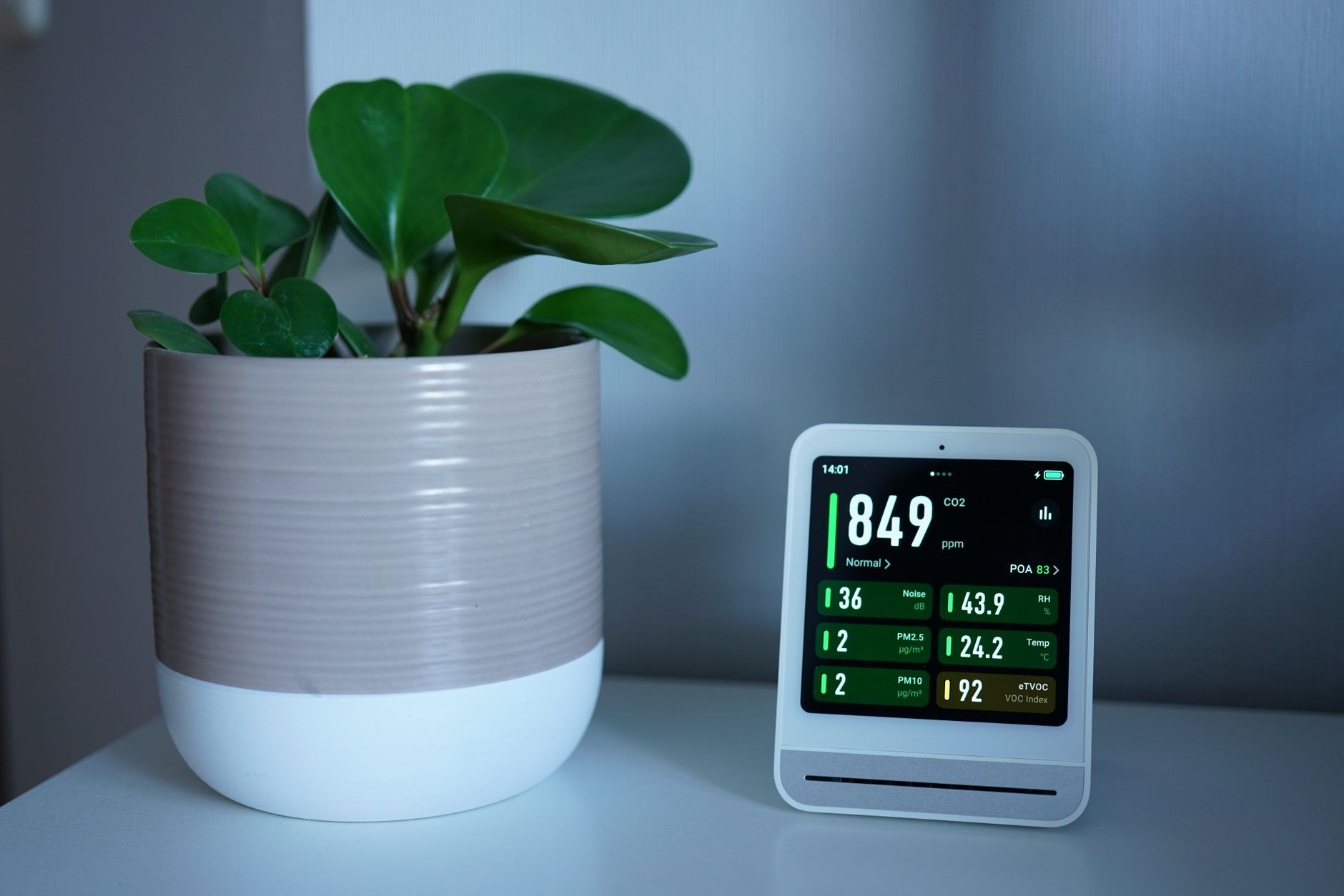
Air purifiers are effective devices that remove common airborne particles like dust, pollen, and pet dander from your home, provided they are sized correctly for your space. While they do not replace proper ventilation, they act as a essential filtration layer for indoor air.
⚡ In a Rush? Key Takeaways
- Most mid-size purifiers consume 20-50 watts, costing about $5-12 per month to run.
- HEPA filtration removes 99.97% of particles as small as 0.3 microns reliably.
- The CADR rating must match your room square footage for effective air circulation.
- Annual filter replacement costs typically range between $40 and $100 per unit.
- ✅ Best choice: Prioritize units with high CADR over fancy smart features.
How do you calculate the true running cost of an air purifier?
The true running cost includes electricity, which averages $5–15 monthly, plus annual filter replacements costing $40–$100 per unit.
What is the monthly electricity consumption of these devices?
Most home air purifiers draw between 20 and 60 watts, resulting in a monthly electricity cost of roughly $5 to $12 for constant use.
Running an air purifier 24/7 sounds energy-intensive, but modern brushless motors are remarkably efficient. At an average rate of 16 cents per kWh, a 40-watt unit costs less than 16 cents per day to operate. I have tracked power consumption across several models, and the variance between top-tier and budget brands is surprisingly narrow.
How often do air filters actually need to be replaced?
Most manufacturers recommend filter changes every six to twelve months, but local air quality and pet ownership may dictate more frequency.
- HEPA filters: Replace every 6–12 months for optimal airflow.
- Carbon pre-filters: Swap every 3–6 months to trap odors effectively.
- Washable pre-filters: Clean every month to extend main filter life.
- Filter indicators: Trust the built-in sensors as a guide for usage.
Are smart features driving up your energy bills?
Smart connectivity features like WiFi and sensors add negligible power draw, usually less than 2 watts, compared to the fan motor load.
The convenience of an app is helpful, but the actual motor speed is the primary driver of your energy bill. Many units now use automated modes that reduce fan speed when air quality is high. If you are curious about broader home costs, you might find my guide on managing monthly home bills useful.
Which type of air purifier technology is most efficient?
Mechanical HEPA filtration remains the gold standard for efficiency and safety, avoiding the potential ozone issues of electronic cleaners.
Why is HEPA filtration considered the most reliable method?
Mechanical HEPA filters capture 99.97% of particles at 0.3 microns without producing harmful ozone or other chemical byproducts in the home.
| Type | Efficiency | Ozone Risk |
|---|---|---|
| HEPA Mechanical | High | None |
| Ionizer | Low | High |
| UV-C | Moderate | Low |
Are ionizers and ozone generators worth the safety risk?
Ionizers and ozone generators often produce ozone, a respiratory irritant, making them less ideal for homes with pets or children.
I advise staying clear of anything marketed as an ozone generator for standard home use. Mechanical filtration is safer and generally more efficient at capturing the physical allergens that cause household discomfort. If you are worried about air quality during renovations, you should review our maintenance efficiency tips for cleaner living.
Is UV-C light effective for home air purification?
UV-C light requires extended exposure time to neutralize pathogens, meaning it provides limited benefit in high-speed air purifier fans.
What room size specifications should you prioritize when buying?
Always match the unit’s Clean Air Delivery Rate (CADR) to your specific room square footage to ensure adequate air circulation efficiency.
How does the CADR rating impact your air quality results?
CADR measures the volume of filtered air a unit delivers; a higher number means faster cleaning, which is vital for larger living spaces.
A unit rated for 150 square feet will struggle in a 400-square-foot living room, forcing the motor to run at maximum speed constantly. This not only increases noise but also accelerates filter wear and electricity consumption. Always check the manufacturer’s suggested room size against your actual floor plan.
Why should you avoid oversizing your air purifier purchase?
Buying an oversized unit for a small room often results in unnecessary upfront costs and requires more space without added health benefits.
- Measure your room dimensions carefully before shopping.
- Select a unit slightly larger than the room size for lower-speed operation.
- Avoid units marketed for whole-home use in single bedrooms.
- Balance your budget between the device price and the long-term filter cost.
Where is the optimal placement for maximum device efficiency?
Place your purifier in a central, unobstructed location at least three feet from walls to ensure optimal airflow and particle collection.
Are there any common FAQ answers regarding air purifiers?
Air purifiers are powerful tools for particle reduction, but they require regular filter maintenance to remain effective for your family.
Do air purifiers actually remove dust from the home?
Yes, they reduce airborne dust levels, though they cannot remove dust that has already settled on surfaces like shelves and carpets.
Can I run an air purifier in a room with the windows open?
Running a purifier with open windows is counterproductive, as the device will struggle to clean the incoming constant stream of outdoor air.
How loud are these devices during standard operation?
Most modern purifiers operate at 25–40 decibels on low settings, which is quiet enough for bedroom use while you are sleeping.
Do these units help with smoke and cooking odors?
True HEPA filters handle smoke particles, but you need an activated carbon layer to effectively absorb cooking and household odors.